





Switzerland Defends Cash in Landmark Vote: A Victory for Freedom Against Digital Tyranny
By Hotspotnews
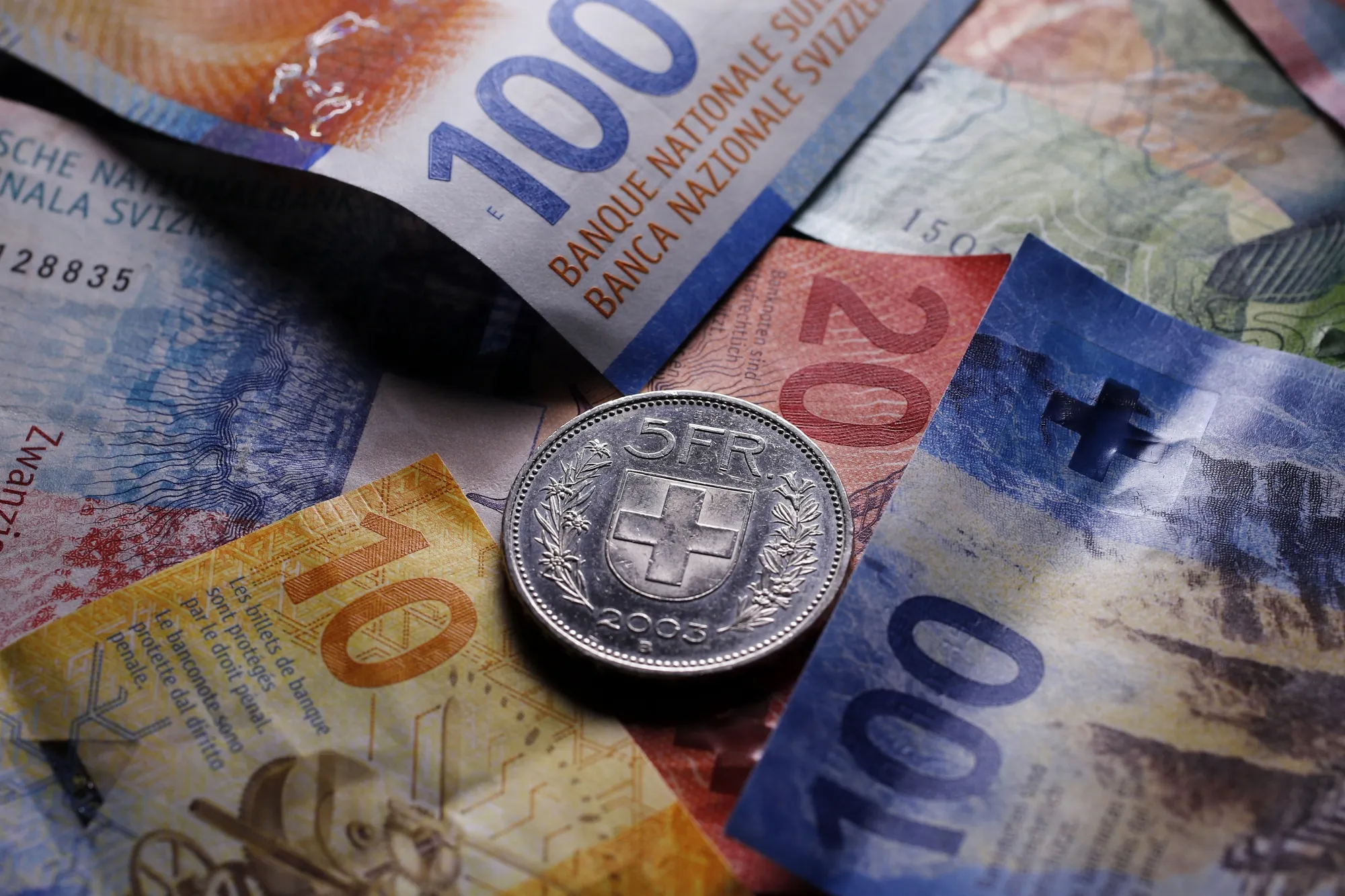
In a powerful rebuke to the globalist push for total financial surveillance, Swiss voters have overwhelmingly affirmed the enduring importance of physical cash. In the March 2026 referendum, citizens backed a government counter-proposal to protect access to banknotes and coins within the monetary system, delivering a clear message: cash is freedom, and the people will not surrender it quietly to unelected bureaucrats and central bank dreamers.
While the more robust “Cash is Freedom” initiative fell short, the approved measure ensures that Switzerland—a nation proudly outside the European Union—will continue guaranteeing citizens the practical ability to use physical currency. Reports indicate strong public support, hovering near 73 percent, for safeguarding cash against obsolescence. This outcome stands as a significant setback for figures like European Central Bank President Christine Lagarde and the broader Davos-style agenda that seeks to phase out tangible money in favor of programmable digital currencies.
Conservatives have long warned that the war on cash is about control, not convenience. Digital currencies, whether central bank digital currencies (CBDCs) or other trackable systems, empower governments and powerful institutions to monitor, restrict, and even punish private transactions. Every purchase could be logged, taxed, or blocked based on social credit scores, political views, or compliance with climate or equity mandates. Switzerland’s vote pushes back against this creeping authoritarianism, preserving the anonymity and independence that cash provides—the same independence that allows ordinary people to buy groceries, support local businesses, or help a neighbor without Big Brother’s permission.
This referendum highlights the wisdom of Switzerland’s direct democracy system. Unlike top-down EU bureaucracies or distant central planners, Swiss voters get a direct say in fundamental issues. They rightly recognize that cash underpins personal liberty, economic resilience during crises, and resistance to the kind of financial serfdom envisioned in schemes like Agenda 2030. When power goes fully digital, privacy evaporates, and dependency on fragile electronic systems grows. Power outages, cyberattacks, or political whims could freeze accounts overnight. Cash serves as a vital backup and a bulwark against such vulnerabilities.
The global elite’s obsession with killing cash reveals their true priorities: easier taxation, easier surveillance, and easier enforcement of ideological goals. Lagarde and her counterparts have openly discussed the “benefits” of digital money for policy implementation—code for making it simpler to impose negative interest rates, steer spending toward approved causes, or exclude dissenters. Switzerland’s stand reminds the world that sound money principles still resonate with free peoples. Physical currency has anchored prosperity and liberty for centuries; discarding it for unproven digital experiments risks eroding the very foundations of limited government and individual rights.
This victory, though partial, should inspire similar defenses elsewhere. In the United States and across the West, conservatives must champion policies that protect cash, reject CBDC overreach, and prioritize financial privacy. The Swiss have shown that when citizens mobilize through democratic means, the march toward digital control can be slowed—if not halted.
Freedom-loving nations should take note: cash is not obsolete; it is essential. Switzerland’s referendum is a timely reminder that sovereignty, privacy, and self-reliance remain worth fighting for in an age of technocratic ambition.


