




Taxpayer Money on the Avenue: How a Carnival Spectacle Triggered Calls to Disqualify Lula’s Ticket

By Hotspotnews
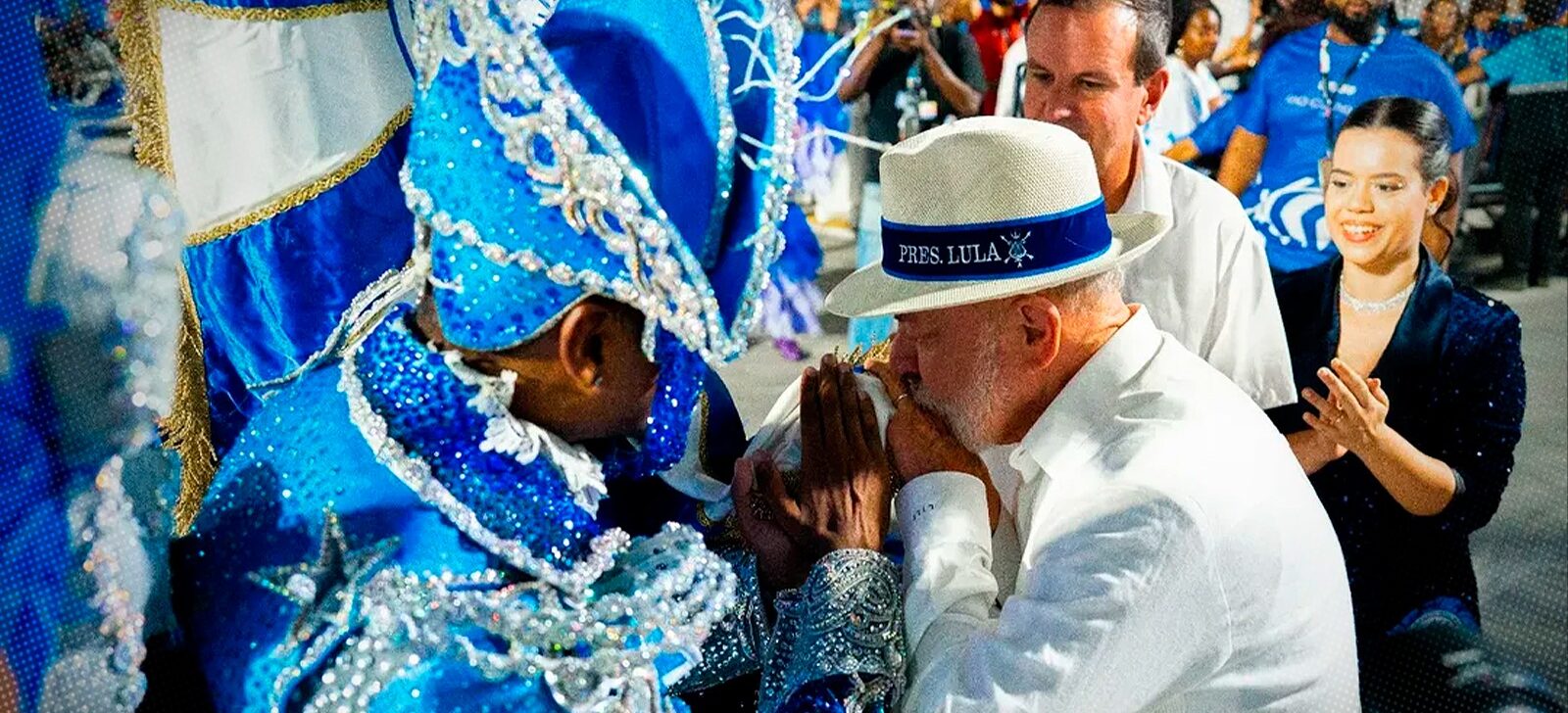
In the heat of Brazil’s 2026 election season, the Novo party has formally petitioned the Superior Electoral Court to investigate and potentially annul the candidacy of President Luiz Inácio Lula da Silva and Vice President Geraldo Alckmin. The request centers on a single, highly visible event: the Acadêmicos de Niterói samba school’s Carnival parade that turned the Marquês de Sapucaí into a stage for celebrating Lula’s life story. What began as a cultural performance has become a flashpoint over the use of public resources, the boundaries of early campaigning, and the integrity of the electoral process. From a conservative standpoint that prioritizes fiscal responsibility, equal rules for all candidates, and the separation of state power from partisan advantage, this episode reveals deeper problems in how the current administration has blurred the lines between government and politics.
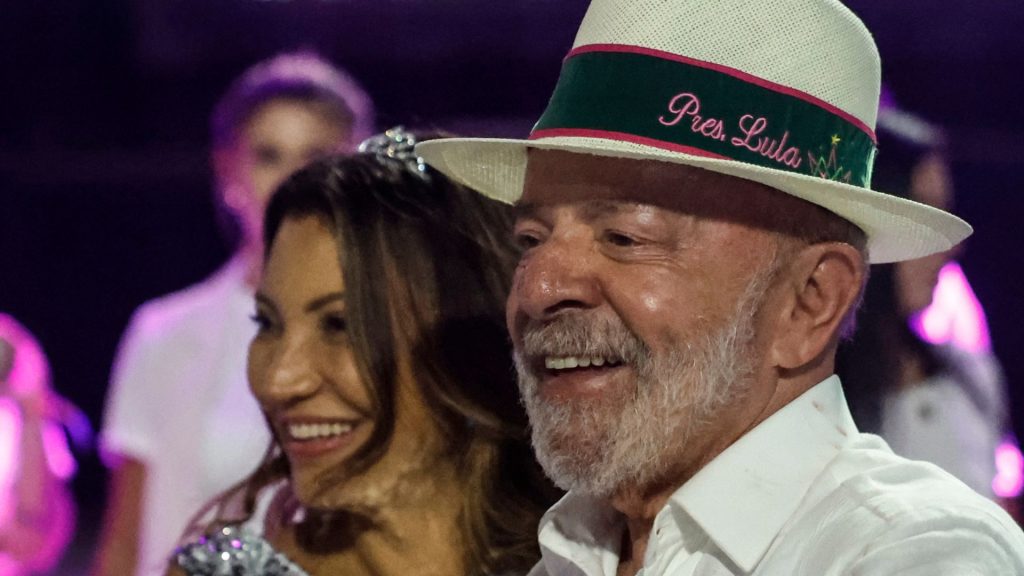
The chain of events started well before the drums began. In July 2025, Acadêmicos de Niterói, a relative newcomer to the elite Grupo Especial, announced its 2026 enredo: “Do alto do mulungu surge a esperança: Lula, o operário do Brasil.” The theme traced Lula’s journey from childhood in Garanhuns through his union years and rise to the presidency. By Carnival in February 2026, the school brought that narrative to the avenue with full production values, national television coverage, and a message that opposition voices immediately labeled as pre-campaign propaganda. The parade did not merely recount history; it framed Lula as a figure of hope and resilience in language and imagery familiar from past PT campaigns.





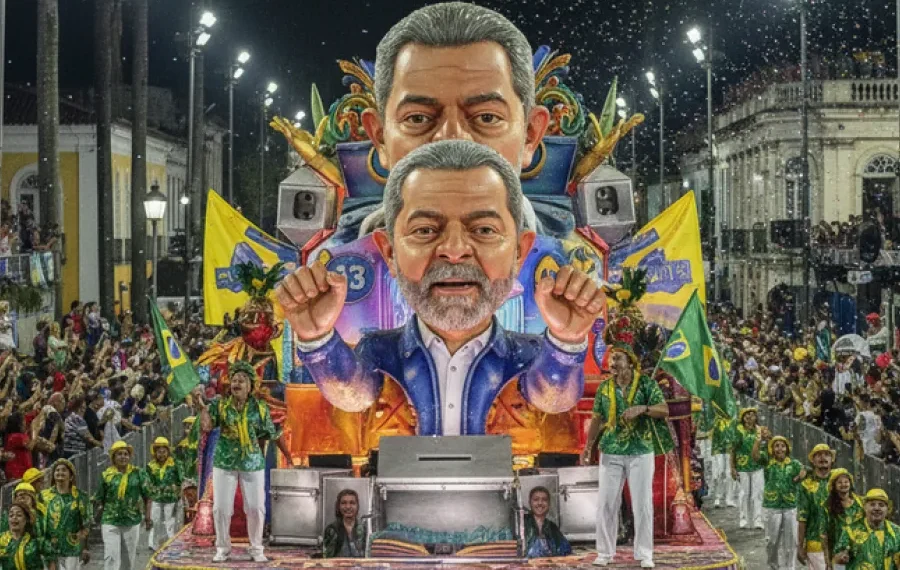
What elevated the matter from cultural controversy to legal challenge was the money. According to the petition and contemporaneous reporting, the school received roughly R$9.6 million to R$9.65 million in public funds drawn from multiple levels of government. The largest single contribution came from the Niterói city government—approximately R$4 million. Additional amounts flowed from the Rio de Janeiro city administration via Riotur (about R$2.15 million), the Rio state government through cultural foundations and the league that organizes the Carnival (around R$2.5 million), and R$1 million from Embratur, the federal tourism promotion agency. While some of these transfers mirrored standard support given to other Grupo Especial schools, the combination of timing, theme, and scale raised the central question: Did public resources underwrite an electoral benefit for a sitting president and declared candidate for reelection?
Conservative critics argue that the answer is yes. The announcement of the Lula-centered enredo preceded the formalization of several funding instruments. Meetings and visits involving the First Lady and federal officials further suggested coordination or at least enthusiastic official engagement. National broadcast of a lavish, publicly supported spectacle praising the incumbent months before the official campaign period created an asymmetry that smaller parties and opposition candidates could never match with their own resources. In a system that already struggles with the power of the incumbency, turning one of Brazil’s most watched cultural events into a platform for the sitting president looks less like spontaneous popular culture and more like the state apparatus lending its weight to one side.
The Novo party, which fields its own presidential candidate, waited until Lula formally registered his reelection bid to file the full Ação de Investigação Judicial Eleitoral. The filing seeks not only investigation but the extreme remedies of cassation of the ticket’s registration and a declaration of ineligibility for eight years. It alleges abuse of economic and political power along with improper use of the means of communication. Earlier attempts to block the parade itself were rejected by the electoral court on grounds that preemptive censorship of cultural expression was inappropriate and that any judgment on abuse should wait until after the facts were complete and candidacies official. That procedural caution is understandable, yet it does not erase the underlying concern: when taxpayer money underwrites a national spectacle centered on an incumbent, the playing field tilts.
Defenders of the parade insist the funding was routine, that the school chose its own theme, and that the federal government did not dictate the content or single out Acadêmicos de Niterói for special treatment. They note that other schools received comparable federal tourism support and that Carnival has long featured political figures. These points deserve scrutiny. Routine funding for a non-political theme is one thing; the same funding for an explicit biographical celebration of the president in an election year is another. Cultural tradition does not immunize the use of public money from electoral rules. Brazilian law restricts early campaigning and prohibits the abuse of public resources precisely to prevent the incumbent advantage from becoming decisive through the machinery of the state.
This episode did not arise in a vacuum. It reflects a broader pattern in which cultural institutions, public agencies, and government calendars have been drawn into the service of the ruling coalition’s narrative. For conservatives who value limited government, transparent spending, and genuine competition at the ballot box, the Carnival case crystallizes the risk. Public funds exist to serve citizens, not to amplify the image of those who already hold power. When a samba school’s floats and lyrics become vehicles for that amplification, and when multiple layers of government write the checks, the result is not neutral culture—it is subsidized politics.
The Superior Electoral Court now faces a test. It must examine the evidence without fear or favor: the sequence of funding decisions, the content and reach of the parade, the degree of official involvement, and the practical impact on electoral equality. Cassation is a severe remedy reserved for serious violations. Yet failing to confront clear instances of resource misuse would signal that the rules bend for the powerful. Brazilians of all political persuasions have a stake in a process where votes, not state-backed spectacles, decide outcomes.
The Novo petition forces a necessary conversation. Carnival is a national treasure. Public money is finite and belongs to the people. When the two are combined to promote a presidential candidacy, the proper response is not celebration but accountability. The cause of the current legal challenge is straightforward: a publicly financed homage that crossed the line from cultural expression into electoral advantage. Whether the courts ultimately agree will say much about whether Brazil’s democratic rules still constrain those who hold the levers of power.


