


The Notre-Dame Fire: A Symbol of Cultural Neglect and Selective Outrage
By Hotspotnews
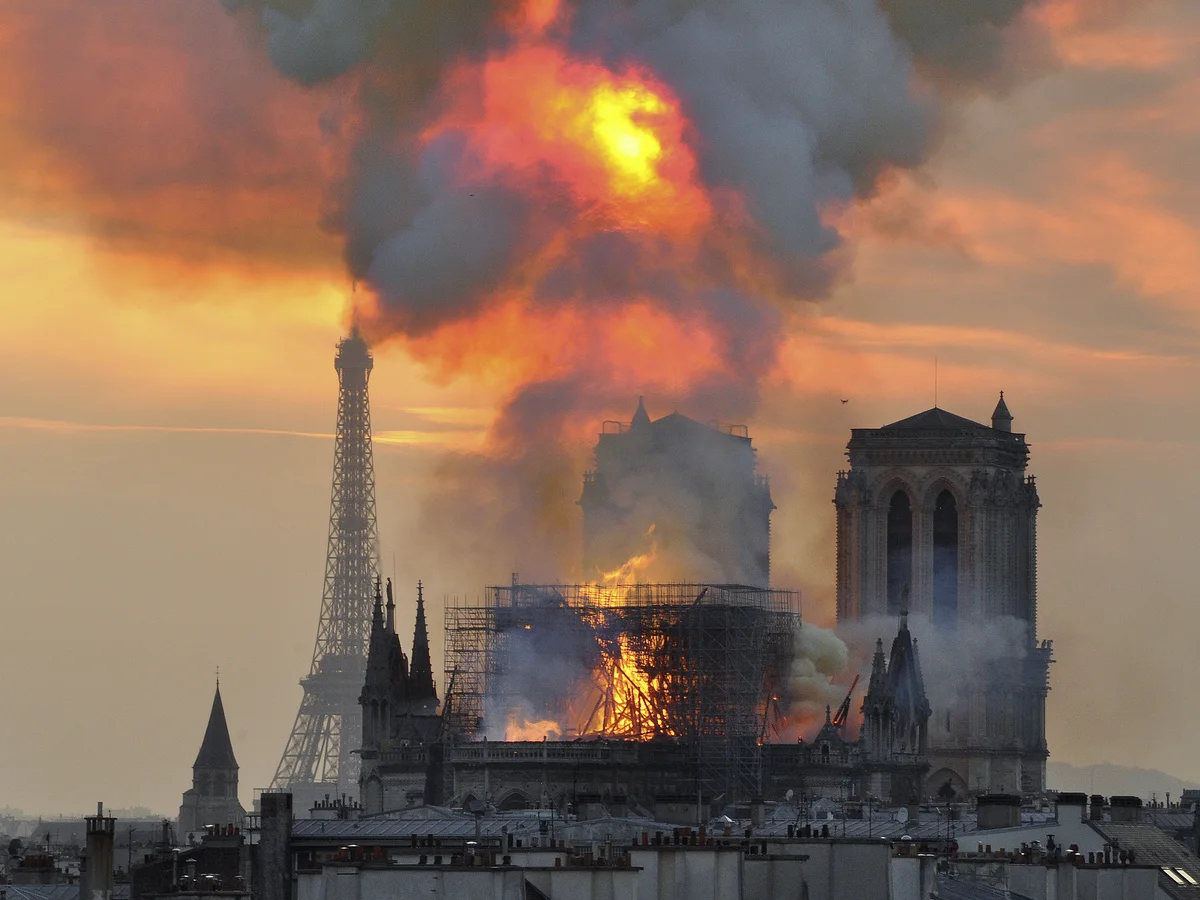
On April 15, 2019, the world watched in horror as flames engulfed Notre-Dame de Paris, one of the greatest masterpieces of Western Christian civilization. The iconic spire collapsed, the ancient oak roof—”the forest”—burned away, and centuries of sacred history seemed perilously close to vanishing forever. Yet, within hours, French authorities declared the blaze “accidental,” pointing vaguely to renovation work, an electrical short-circuit, or perhaps a stray cigarette. No arrests. No deeper probe into motive. Case closed.
 For many conservatives, this swift conclusion has always rung hollow. In the years leading up to the fire, France endured a disturbing wave of anti-Christian vandalism: churches desecrated, altars smeared with excrement, statues of the Virgin Mary beheaded. Reports documented hundreds of such incidents annually, often linked to radical Islamist elements or secular extremists who view Christian symbols as relics of an oppressive past. Yet when the mother church of France went up in flames, the official narrative settled on coincidence almost immediately.
Skeptics ask the obvious questions: Why the rush to rule out arson? Why the reluctance to examine patterns of targeted hostility toward Christian sites? In an era when European leaders bend over backward to avoid “stigmatizing” migrant communities—even as churches burn—Notre-Dame’s destruction feels like another chapter in the slow erosion of Europe’s Judeo-Christian heritage. The reluctance to investigate thoroughly suggests a political calculation: admitting foul play might inflame tensions, expose failures in integration policies, or challenge the dominant multicultural orthodoxy.
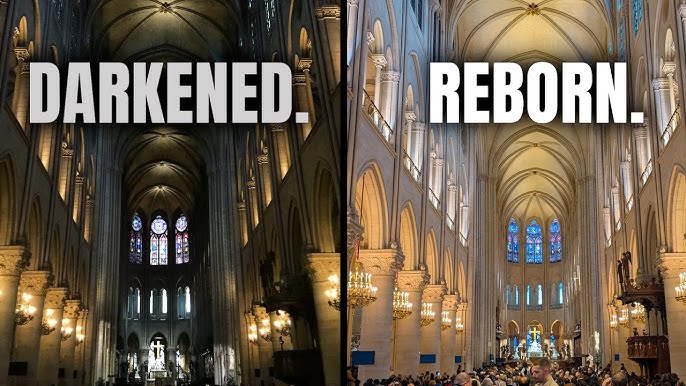
What makes the story even more striking is what happened next. Within days, pledges poured in from around the world to rebuild the cathedral. Among the most generous early donors were prominent Jewish philanthropists. Lily Safra committed $22 million, while Françoise Bettencourt Meyers (of L’Oréal fame, whose family has supported interfaith initiatives) pledged substantially more. Together with other contributors, these gifts helped fuel one of the most successful reconstruction campaigns in modern history. The cathedral reopened triumphantly in late 2024, restored to its former glory through private generosity and international goodwill.
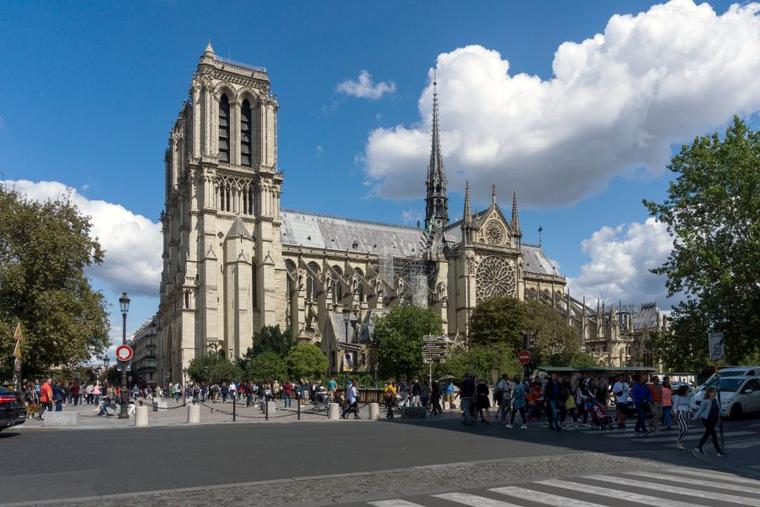 This contrast is telling. While some narratives push division and suspicion, the reality shows people of different faiths stepping forward to preserve a shared cultural treasure. Jewish donors—often targets of their own prejudice and violence—recognized Notre-Dame not as a exclusively Christian symbol to resent, but as a irreplaceable monument of Western civilization worth defending.
Conservatives see this as a lesson in priorities. Europe faces existential challenges: declining birth rates, mass migration without assimilation, and a growing hostility toward its foundational values. The Notre-Dame fire, whether sparked by negligence or something darker, exposed how fragile that heritage has become. When leaders downplay threats to churches while hyper-focusing on protecting every other group’s sensitivities, they signal which civilization they truly value.
The reconstruction stands as a small victory—a testament to resilience and cross-cultural respect. But the questions linger: How many more “accidents” must occur before Western societies acknowledge the cultural war being waged against their own history? Notre-Dame rose again, thanks in part to generous souls who still believe in preserving the West’s soul. The real test is whether Europe will muster the same resolve to protect it from future flames—literal and ideological.
Image WTOP