


The Shameful Truce: Lula’s Banco Master Scandal Exposes Brazil’s Culture of Impunity
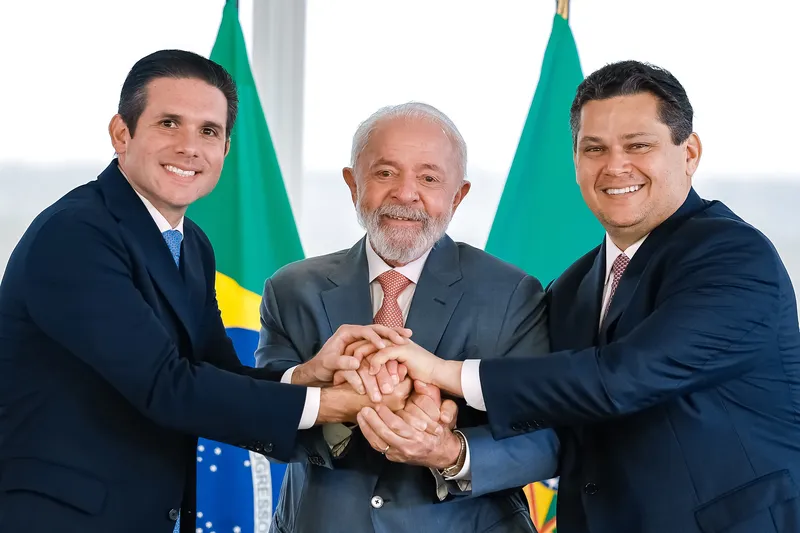
In the heart of Brazil’s political arena, a sordid tale of corruption is unfolding that strikes at the very foundations of our republic. The Banco Master scandal, which erupted with the bank’s liquidation in November 2025, has revealed a web of fraud, deceit, and elite entanglements that no amount of leftist rhetoric can whitewash. At its core, this is not just a financial fiasco—it’s a damning indictment of President Luiz Inácio Lula da Silva’s administration and the entrenched powers that prop it up. As conservatives, we have long warned about the dangers of big government cronyism, and this “truce for impunity” between Lula’s executive and a complicit Congress proves our point all too vividly.
Let’s start with the facts. Banco Master, under the stewardship of Daniel Vorcaro—a man who transformed a struggling institution into a high-flying operation through dubious means—was shuttered by the Central Bank amid allegations of massive fraud. We’re talking billions in inflated carbon credits, phony securities, and risky deposits that lured investors with promises too good to be true. Vorcaro, arrested while attempting to flee, epitomizes the kind of unchecked ambition that flourishes under weak regulatory oversight. But the real shame lies not in one banker’s greed, but in how this scandal has snared figures across Brazil’s branches of government, forcing a cynical pact to bury the truth.
Enter the “truce.” Rumors swirling in Brasília suggest that Lula’s team and congressional leaders, particularly from the opportunistic Centrão bloc, have quietly agreed to hit the brakes on investigations. Why? Because the fallout threatens everyone. Former Lula cabinet ministers, like Guido Mantega, have been linked to lucrative contracts with the bank, raising eyebrows about influence-peddling in the highest echelons of the Workers’ Party (PT). Even Supreme Court justices, such as Dias Toffoli and Alexandre de Moraes, face scrutiny over alleged ties that could erode public trust in our judiciary. In an election year, with municipal votes looming, no one wants this bomb to detonate. So, instead of pursuing justice, they’re opting for mutual protection—a classic move from the leftist playbook of prioritizing power over principle.
This isn’t Lula’s first brush with scandal. Remember the Mensalão and Lava Jato probes that once landed him behind bars, only for those convictions to be controversially overturned? The PT has mastered the art of survival through deflection and denial. Lula himself lambasted Vorcaro as a shameless scammer, yet his own allies are knee-deep in the muck. This hypocrisy is galling. Conservatives believe in the rule of law for all, not selective impunity for the politically connected. Where is the outrage from those who claim to champion the working class? Instead, we’re witnessing a betrayal of the Brazilian people, whose hard-earned savings were jeopardized by this Ponzi-like scheme.
The broader implications are chilling. Brazil’s economy, already battered by inflation and regulatory overreach under Lula, now faces a credibility crisis. Investors, both domestic and foreign, are watching as institutions like the Central Bank and audit courts grapple with political pressure to reverse decisions or drag their feet. The Supreme Court’s involvement only amplifies concerns about judicial activism gone awry—decisions that seem to favor the elite while ordinary citizens suffer. This scandal underscores why we need a return to conservative values: fiscal responsibility, transparent governance, and zero tolerance for corruption. Under leaders like Jair Bolsonaro, we saw efforts to clean house, but Lula’s return has reopened the floodgates to old vices.
As Brazilians, we deserve better than this shameful cover-up. The “Master scandal” isn’t just about one failed bank; it’s a symptom of a system rotten with leftist favoritism and elite pacts. Congress must defy this truce and launch full inquiries, holding the powerful accountable regardless of party lines. Only then can we restore faith in our democracy and build a Brazil where opportunity thrives for all, not just the insiders. The time for excuses is over—it’s time for truth and justice.