


Trump Jr. and Brazil’s Scandal-Tainted Tycoons: The Glaring Contradictions and What They Mean for America First
By Hotspotnews
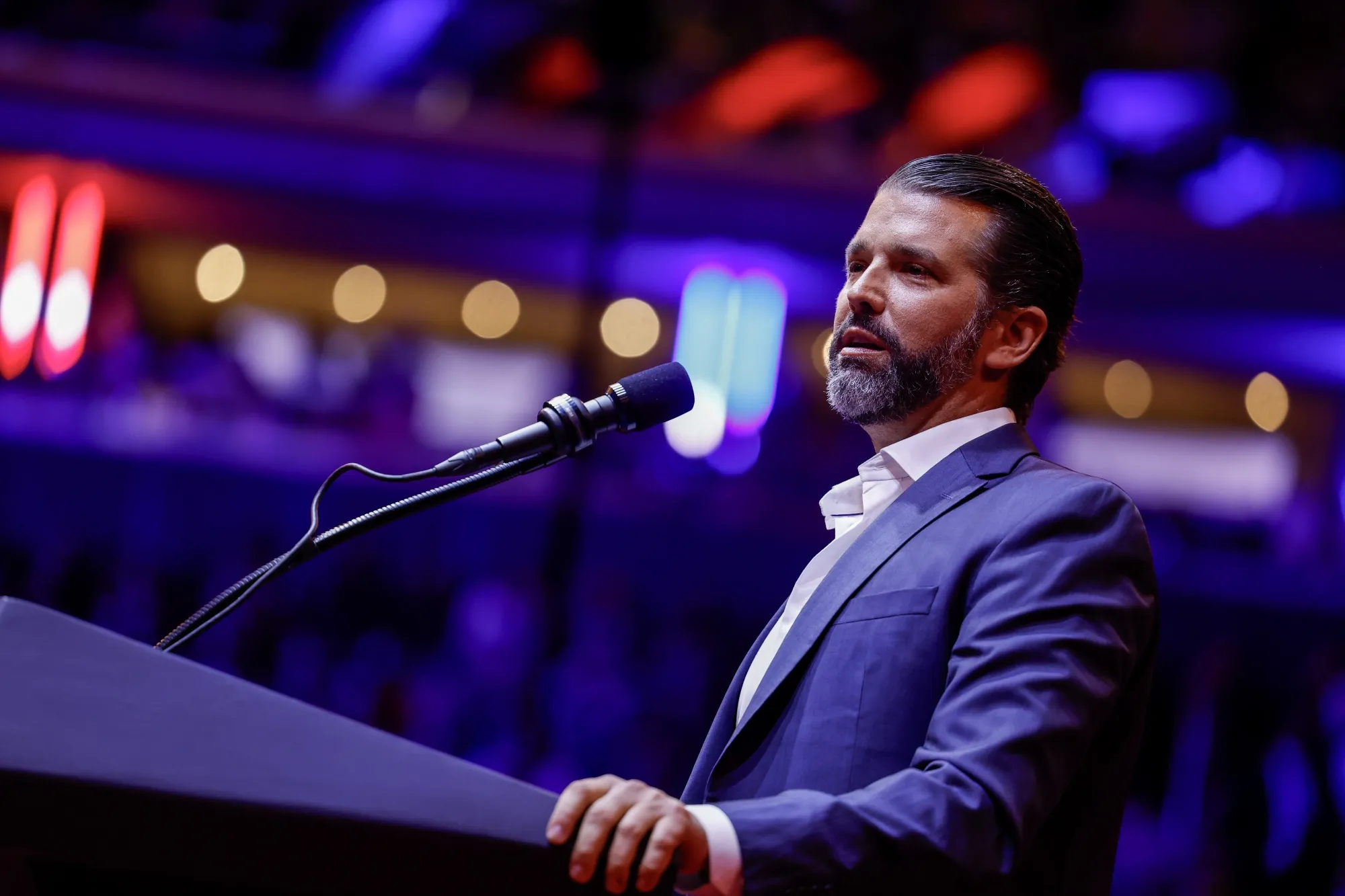
In a scene that perfectly captures the contradictions of global power politics, Donald Trump Jr. sat on a New York panel this week alongside two of Brazil’s most influential – and controversial – billionaires. André Esteves, the driving force behind BTG Pactual, Latin America’s largest investment bank, and Wesley Batista, a key executive from the JBS meatpacking empire, joined the discussion on American leadership in artificial intelligence, defense technology, security, and global prosperity. The optics were unmistakable: a son of the America First movement sharing the stage with foreign business giants whose fortunes were built amid one of the largest corruption scandals in modern history.
Here is the first glaring contradiction. For years, conservative voices have hammered the crony capitalist networks that thrive under leftist governments. In Brazil, that meant Operation Car Wash – the sprawling probe that exposed how billions in bribes flowed between politicians and big business under the Workers’ Party (PT) and figures like former President Lula da Silva. Esteves and the Batista family were right in the middle of it. The Batistas admitted to systemic payoffs to politicians across the spectrum, including those tied to the very socialist policies that conservatives have long warned destroy economies and sovereignty. Esteves faced his own legal scrutiny in the same web of influence-peddling. These were not victims of a “witch hunt”; they were players in a system where political protection was bought and sold like any other commodity.
Yet here they are, publicly aligning with the Trump family on a platform celebrating U.S. dominance in the very technologies that will define the 21st century. The left in Brazil and their allies in the American media are suddenly clutching pearls over “Trump connections,” conveniently forgetting – or hoping everyone else forgets – that these same tycoons prospered under the very regimes the left defends. It is the height of hypocrisy: the same globalist elites and their journalistic mouthpieces who spent years painting Donald Trump as the root of all corruption now watch their own favored business class flock to the one American leader who delivered results instead of rhetoric.
This is not mere coincidence. It exposes a deeper contradiction in how the international left operates. They rail against “fascism” and “authoritarianism” when Trump wins elections, but when their own corrupt networks need capital, technology, or market access, ideology suddenly takes a backseat. American strength – the very thing Trump has always championed – acts like a magnet. Weak leadership under the previous administration left the world drifting toward China and endless multilateral talk shops. Now, with Trump back in the White House, even the most hardened Brazilian power brokers recognize where the real opportunities lie: with a United States that prioritizes energy dominance, technological superiority, and secure borders over virtue-signaling climate pacts and open-ended foreign aid.
The consequences of this moment are significant and cut in several directions.
First, it validates the America First approach on the world stage. When foreign capital – even capital with a checkered past – seeks partnership with Trump-world figures to discuss AI and defense, it signals that U.S. leadership is once again the center of gravity. Global prosperity does not flow from Davos declarations or BRICS summits; it flows from nations that actually innovate, produce, and protect their interests. Brazil’s business class understands this. Their presence on that panel is an implicit admission that socialist experiments and anti-American posturing deliver stagnation, while American resurgence delivers growth.
Second, the political blowback will be fierce but ultimately self-defeating for the left. Expect the usual chorus of outrage: headlines screaming about “influence,” “conflicts,” and “corruption” – all from outlets that spent the last decade ignoring or downplaying Car Wash revelations when they implicated leftist politicians. This selective amnesia will only remind everyday Americans and Brazilians why trust in legacy media collapsed. It also risks backfiring on the Brazilian left, whose own voters are tired of the revolving door between government contracts and private fortunes.
Third, and most important for conservatives, this event highlights the need for vigilance even in victory. America First is not isolationism; it is realism. Engaging with foreign business leaders is not inherently wrong – it is how nations compete. But it must never slide into the cronyism that conservatives have fought against at home. The Trump administration should welcome investment that strengthens U.S. supply chains and technological edge, especially in critical sectors like AI and defense. At the same time, any partnership must be transparent, reciprocal, and grounded in American interests first. No more sweetheart deals that leave American workers or taxpayers holding the bag.
The real lesson here is not that Donald Trump Jr. shook hands with controversial figures. It is that power recognizes power. The same Brazilian elites who once navigated the swamp of leftist corruption now see the writing on the wall: the United States under Trump is reasserting itself, and those who want to thrive must deal with that reality. For the MAGA movement, the contradiction is not a scandal – it is confirmation. When you restore American strength, even the world’s most hardened realists come to the table. The challenge ahead is to ensure those conversations deliver concrete wins for American families, not just photo ops for billionaires.