



Trump’s Tough Stand Delivers Lula a difficult week
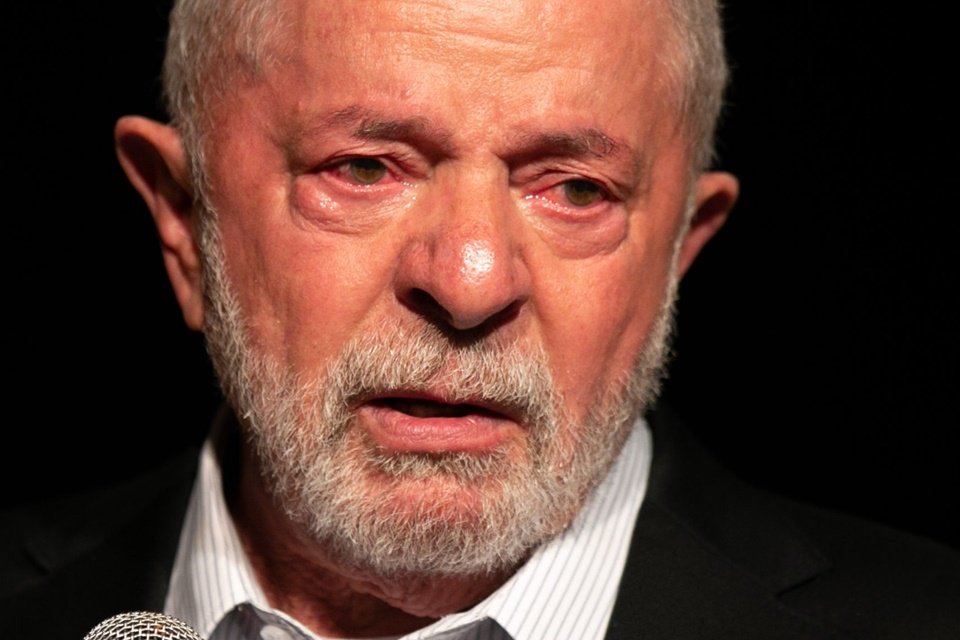
Brazilian President Lula da Silva is having a rough week. After his government denied visas to two senior U.S. State Department officials—Riley Barnes and Samuel Samson—who sought to examine Brazil’s electronic voting system ahead of the October elections, President Donald Trump prepared a firm response. Conservative voices in Brazil and the United States are rightly celebrating this pushback against what looks like an attempt to shield a contested electoral process from scrutiny.
The facts are straightforward. Brazil’s Itamaraty refused entry to the American officials after reports surfaced that their mission involved assessing the integrity of the country’s voting machines. Lula’s administration framed the planned visit as interference. Yet the same government has long dismissed legitimate questions about the security and auditability of its electronic system while simultaneously imposing political costs on the Bolsonaro family and their supporters. Trump’s decision to escalate—through diplomatic pressure and continued tariffs ranging from 12.5% to 37.5% on Brazilian goods—signals that the United States will not look the other way when a left-leaning government tries to close the door on transparency.
This is not abstract diplomacy. Brazil runs one of the world’s largest electronic-only voting systems. American conservatives have watched similar systems face questions at home and abroad. When a foreign government blocks U.S. officials from even observing the process, it raises legitimate concerns about what it might be hiding. Trump’s readiness to answer with economic and diplomatic leverage is consistent with an America First approach that prioritizes reciprocity and free, fair elections over polite silence.
Lula has spent years lecturing the world on democracy while his allies in the Brazilian judiciary and electoral court have moved aggressively against political opponents. The visa denials fit a pattern: protect the system, punish critics, and accuse outsiders of meddling whenever inconvenient questions arise. Trump’s response flips the script. Instead of accepting the narrative, the United States is making clear that sovereignty cuts both ways. If Brazil wants open trade and normal relations, it should not treat election observation as a threat.
Conservative Brazilians are already noting the irony. The same voices that once celebrated “defending democracy” against supposed threats from the right are now scrambling as the American president refuses to play along. Tuesday’s developments underscore a broader reality: left-wing governments that consolidate power through institutional control eventually collide with leaders who prioritize results over rhetoric.
President Trump is doing what many expected—and what a growing number of Brazilians quietly hope for. He is refusing to let another nation’s internal power plays dictate the terms of engagement. That is leadership. That is reciprocity.
Have a wonderful week, President Trump.


