


Trump’s War on Narco-Terror: Brazil’s Deadly Gangs Face Long-Overdue American Reaction
By Hotspotnews
The Trump administration is once again showing the world what real leadership looks like in the fight against the scourge of deadly drugs and transnational crime. While leftist governments in Latin America wring their hands and prioritize “sovereignty” over public safety, President Trump and his team are treating savage drug cartels and gangs exactly as they are: terrorist organizations that poison American communities, destabilize entire regions, and threaten U.S. national security.
A recent Portuguese-language video from the U.S. State Department delivered a clear message: the Trump administration is aggressively designating cartels as the terrorist groups they are, cutting off their funding, freezing assets, and deploying every tool available to dismantle their networks. This isn’t empty rhetoric. Since taking office, the administration has already slapped terrorist designations on major Mexican cartels like Sinaloa and Jalisco New Generation, along with Venezuelan Tren de Aragua and MS-13. The goal is straightforward—stop the flood of fentanyl and other lethal drugs killing tens of thousands of Americans every year.
Now, attention is turning sharply toward Brazil’s most notorious criminal empires: the Primeiro Comando da Capital (PCC) and Comando Vermelho (CV). These are not mere street gangs. They control vast territories, run sophisticated international drug trafficking operations that ship cocaine to Europe and beyond, launder billions through global financial systems, and unleash horrific violence that has turned Brazilian cities into war zones. Reports indicate their tentacles reach into the United States, with cells operating in multiple states. They thrive on extortion, prison control, and alliances with other narco-groups worldwide.
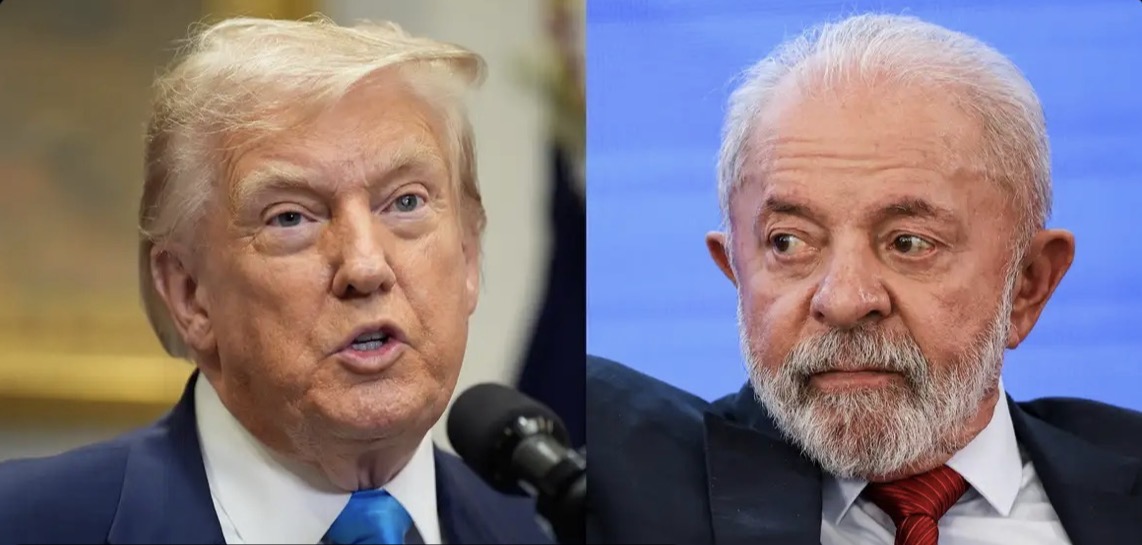
For too long, Brazil’s leftist government under President Lula da Silva has downplayed the threat, insisting these groups are just “criminal organizations” rather than the narco-terrorists they clearly are. Brazilian officials have lobbied hard in Washington to block any U.S. designation, hiding behind claims of sovereignty while their citizens suffer record levels of bloodshed and their prisons remain command centers for these monsters. This reluctance isn’t surprising from an administration more focused on ideology than results.
Conservatives have long argued that profit-driven terror is still terror when it involves mass murder, beheadings, and flooding streets with poison. Designating the PCC and CV as Foreign Terrorist Organizations would unlock powerful tools: broader sanctions, material support prosecutions for anyone aiding them (including banks or businesses that look the other way), enhanced intelligence sharing, and travel bans. It sends an unmistakable signal that the era of soft-on-crime policies is over.
This looming designation is already rippling into Brazil’s high-stakes October 2026 presidential elections, where public security ranks as one of the top voter concerns. With polls showing President Lula da Silva and conservative challenger Senator Flávio Bolsonaro in a virtual dead heat—often tied or within the margin of error in simulated runoffs—the issue hands the right a potent weapon. Flávio Bolsonaro, carrying the banner of his imprisoned father Jair Bolsonaro, has actively lobbied Washington alongside his brother Eduardo for the terrorist label. It allows conservatives to hammer the Lula government for being soft on crime, prioritizing diplomatic sensitivities over the safety of Brazilian families. Right-wing candidates can now point to American validation of their tough “law and order” agenda, energizing voters fed up with gang violence in the favelas and prisons turned criminal headquarters.
The left faces a no-win dilemma: resist the designation and appear weak on security, or yield and look subservient to “Yankee imperialism.” Either way, the Trump administration’s firm stance elevates the narco-terror fight as a central campaign theme, exposing the failures of leftist governance. Brazilian patriots aligned with the Bolsonaro movement see this as overdue international pressure that could finally force real action against groups that have operated with impunity for years.
Pressure from Brazilian patriots, including figures aligned with former President Jair Bolsonaro, has helped highlight the urgency. With Brazil facing its own elections, the contrast is stark: one side prioritizes diplomatic niceties and excuses, while the other demands decisive action to restore law and order. Trump’s approach—treating these groups as the existential threats they represent—puts America First by securing our borders, protecting our youth from fentanyl, and pressuring allies to step up instead of enabling chaos.
The left will cry “intervention” or “imperialism,” but the American people know better. When foreign criminals declare war on our communities through drugs and violence, a strong America has every right—and duty—to respond with overwhelming force. President Trump’s narco-terror campaign is delivering exactly that: results over rhetoric, strength over weakness.
Brazil’s gangs have operated with impunity for years. If the Trump administration follows through with designations for the PCC and CV, it will mark another victory in the battle to make our hemisphere—and our homeland—safer. The message to narco-terrorists everywhere is simple: your days of flooding America with death are numbered. And for Brazilian voters heading to the polls in October, it could be the wake-up call that tips the scales toward real security and conservative leadership.