


USA: WHY DESTROY Ivermectin & Hydroxychloroquine” during the COVID-19 pandemic
By Hotspotnews
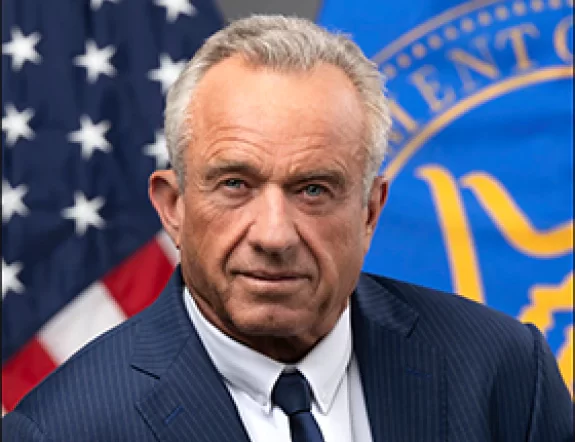
In a recent interview on The Megyn Kelly Show, Robert F. Kennedy Jr. (RFK Jr.) made a pointed claim: authorities and institutions “had to DESTROY Ivermectin & Hydroxychloroquine” during the COVID-19 pandemic. According to RFK Jr., if these inexpensive, repurposed drugs had been officially acknowledged as effective treatments, the entire $200 billion vaccine enterprise would have collapsed. He has repeatedly argued that financial interests in novel vaccines drove the suppression of early treatment options, including through regulatory actions, media narratives, and restrictions on prescribing or discussing these drugs.
RFK Jr.’s broader opinion frames this as part of a larger pattern of regulatory capture and conflicts of interest in public health. He contends that early promising data on both drugs was ignored or actively undermined to preserve emergency use authorizations for vaccines and to protect pharmaceutical profits. He often highlights the long safety records of these medications, the Nobel Prize associated with ivermectin’s discovery, and what he sees as flawed or biased clinical trials that downplayed benefits.
Background on the Drugs
Hydroxychloroquine (HCQ) is a decades-old medication primarily used for malaria prevention and treatment, as well as autoimmune conditions like lupus and rheumatoid arthritis. Early in 2020, laboratory studies showed it could inhibit SARS-CoV-2 replication in cell cultures. Some physicians and public figures promoted it, often in combination with azithromycin and zinc, based on small observational reports and in vitro data.
Ivermectin is an antiparasitic drug discovered in the 1970s and widely used in humans and animals for river blindness, lymphatic filariasis, and other parasitic infections. Its discoverers, Satoshi Ōmura and William C. Campbell, received the 2015 Nobel Prize in Physiology or Medicine for this work. Early pandemic excitement stemmed from in vitro studies suggesting antiviral properties against SARS-CoV-2, leading some doctors to prescribe it off-label, especially in certain countries and online communities.
Both drugs are generic, extremely low-cost, and have long safety records at standard doses when used appropriately.
Availability and Formulations
Neither drug is generally available over the counter. Hydroxychloroquine requires a prescription everywhere due to potential side effects such as heart rhythm problems. Human ivermectin tablets (e.g., Stromectol) are also prescription-only in most jurisdictions, though a handful of U.S. states (e.g., Tennessee and Texas) have passed laws allowing pharmacist dispensing without a physician’s order.
The “horse pill” label often applied to ivermectin refers to veterinary formulations (pastes, gels, or liquids designed for animals). These contain the same active ingredient but in much higher concentrations and with excipients not intended for human consumption. Clinical studies and off-label prescriptions used the human tablet formulation, not animal products. Misuse of veterinary versions led to poison control calls and hospitalizations during the height of the pandemic.
What the Evidence Showed
Large-scale randomized controlled trials (RCTs) quickly challenged the initial optimism:
- The UK’s RECOVERY trial stopped its hydroxychloroquine arm in June 2020 after finding no reduction in 28-day mortality among hospitalized patients (and a slight trend toward worse outcomes in some metrics).
- Similar results came from the WHO’s Solidarity trial and others.
- For ivermectin, trials such as TOGETHER, ACTIV-6, and PRINCIPLE found no meaningful benefit in reducing hospitalization, death, or other key clinical outcomes, though some analyses noted minor effects on symptom duration in limited settings. Recent meta-analyses of higher-quality studies confirm the lack of significant impact on critical endpoints.
Regulatory bodies (FDA, EMA, WHO) advised against routine use for COVID-19 outside trials, citing insufficient evidence of benefit and potential risks.
The “Suppression” Argument and Counterpoints
RFK Jr. and like-minded critics argue that the rapid shift away from these drugs was influenced by financial incentives around vaccines rather than pure science. They highlight early positive signals from smaller studies, regulatory warnings, professional risks for prescribers, and what they view as selective interpretation of trial data.
Mainstream institutions counter that decisions followed evidence-based standards: initial hype relied on flawed or low-quality data, while rigorous RCTs provided clearer answers. Safety concerns (e.g., cardiac issues with HCQ combinations, toxicity from improper ivermectin dosing) were valid, and other treatments (corticosteroids, later antivirals) were adopted when evidence supported them. Vaccine success built on prior research and massive investment, not solely the sidelining of alternatives.
Ongoing Debate
This episode highlights tensions in crisis response: the value of repurposed drugs versus the need for high-quality evidence, issues of trust and communication, and the influence of incentives in healthcare. RFK Jr.’s perspective resonates with those skeptical of institutional motives and who believe early treatment options were prematurely dismissed. Others see the handling as prudent caution grounded in accumulating trial data and view the suppression narrative as overstated.
The distinction between human-approved formulations and veterinary misuse remains important for public understanding—self-medication with either drug outside proper medical guidance carries real risks. As with many pandemic-era controversies, perspectives differ sharply, but the scientific record from well-designed studies continues to guide current consensus.