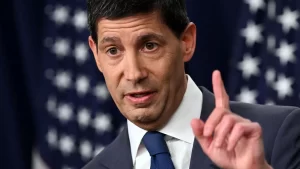




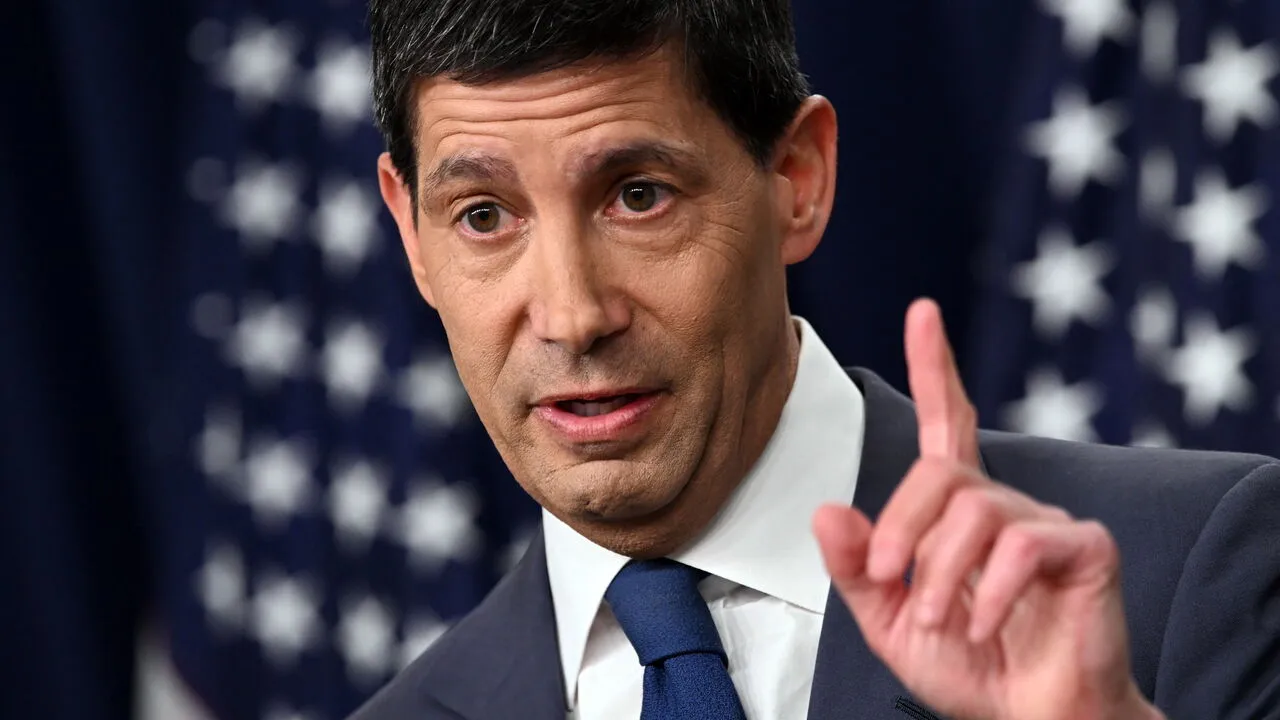
Warsh just hiked rates a quarter point and told the country the truth: inflation is still too high and has been for too long. That is not a slogan. That is the job.
The Federal Reserve raised the funds rate to 3.75–4.00 percent, the first increase since 2023. The vote was unanimous. The new projections show most officials expect at least one more hike this year. Chair Kevin Warsh said the Fed was removing a dose of accommodation so credit conditions match the mandate Congress actually wrote: stable prices. Markets sold off hard. Roughly $490 billion came off U.S. stocks in a short window after the press conference. That is what happens when easy-money fantasies meet a central bank that refuses to pretend 3-percent-plus inflation is victory.
A conservative should not cheer cheap credit just because it juiced the last rally. Inflation is a stealth tax on wages, savings, and anyone who does not live on stock options. Energy shocks from the Iran war, tariffs, and a massive AI buildout have kept prices sticky. Hiking rates will not fix every supply problem overnight. It will raise the cost of borrowing for houses, cars, and credit cards. That is the trade. Pretending there is no trade is how you get a decade of eroded purchasing power.
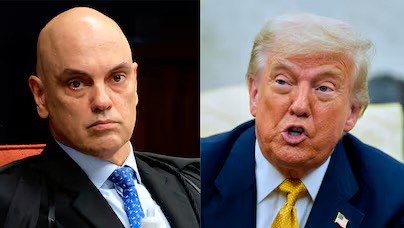
President Trump wants lower rates. He has said so repeatedly. Warsh was his pick. That makes today’s decision more important, not less. A Fed that cuts on political demand is not independent. It is an ATM. Independence cuts both ways. If Warsh is going to be hawkish when inflation is hot, he should stay hawkish when the political weather changes. Cheap money for the next election is how you get the next inflation scare.
On Bitcoin, the picture is different and better. The Trump-era OCC has stopped treating lawful digital assets like contraband. National banks can custody crypto and execute customer orders again. Charter applications from crypto firms have surged. Traditional names are building custody desks. That is American financial infrastructure catching up to reality, not a meme. People should be able to hold Bitcoin through regulated institutions instead of leaving it in a gray zone. That is not “letting banks negotiate Bitcoins” as some wild favor. It is bringing a $2-trillion-plus asset class onto rails with audits, custody standards, and anti-money-laundering rules.
Two warnings belong in the same paragraph. First, a family-linked crypto venture getting a conditional trust charter invites the exact conflict-of-interest fight conservatives usually hate when the other party does it. Rules have to be the same for everyone or they are not rules. Second, banks and crypto firms are still fighting over yield-bearing stablecoins that could pull deposits. That fight is real. Deposits fund Main Street lending. Ignore that and you get a political backlash that kills the good parts of the opening.
So here is the conservative line in one place: fight inflation even when it is unpopular. Do not turn the Fed into a campaign tool. Let banks custody Bitcoin under clear federal rules. Do not confuse a one-day stock wipeout with the end of the republic. Watch October and December. Watch the next inflation print. Prices coming down for working families is the win. Everything else is noise.
Sources: Federal Reserve FOMC statement, Sept. 16, 2026; Warsh press conference remarks reported by The New York Times, Bloomberg, Axios, CNBC, and MarketWatch; OCC digital-asset guidance and charter activity reported by Politico, American Banker, and CoinDesk; market reaction reported in AP and Investor’s Business Daily coverage of the session.
#Fed #Inflation #InterestRates #Warsh #Bitcoin #SoundMoney #Markets #Banks #Crypto #AmericaFirstEconomy