


The Illusion of Progress: Brazil’s Descent into Dependency and Control
By Hotspotnews
In the shadow of China’s dystopian Social Credit System, Brazil stands at a crossroads, teetering on the brink of a future that promises not prosperity but peril. The reality on the ground, stripped of theoretical niceties, reveals a nation grappling with the consequences of misguided policies and an insatiable thirst for power. The Brazilian government’s embrace of social programs like Bolsa Família, while cloaked in the rhetoric of social justice, is nothing short of a vote-buying scheme that entrenches dependency and stifles individual initiative. Meanwhile, the looming threat of digital currencies and increased state control mirrors the very authoritarian tactics that have plunged China into chaos.
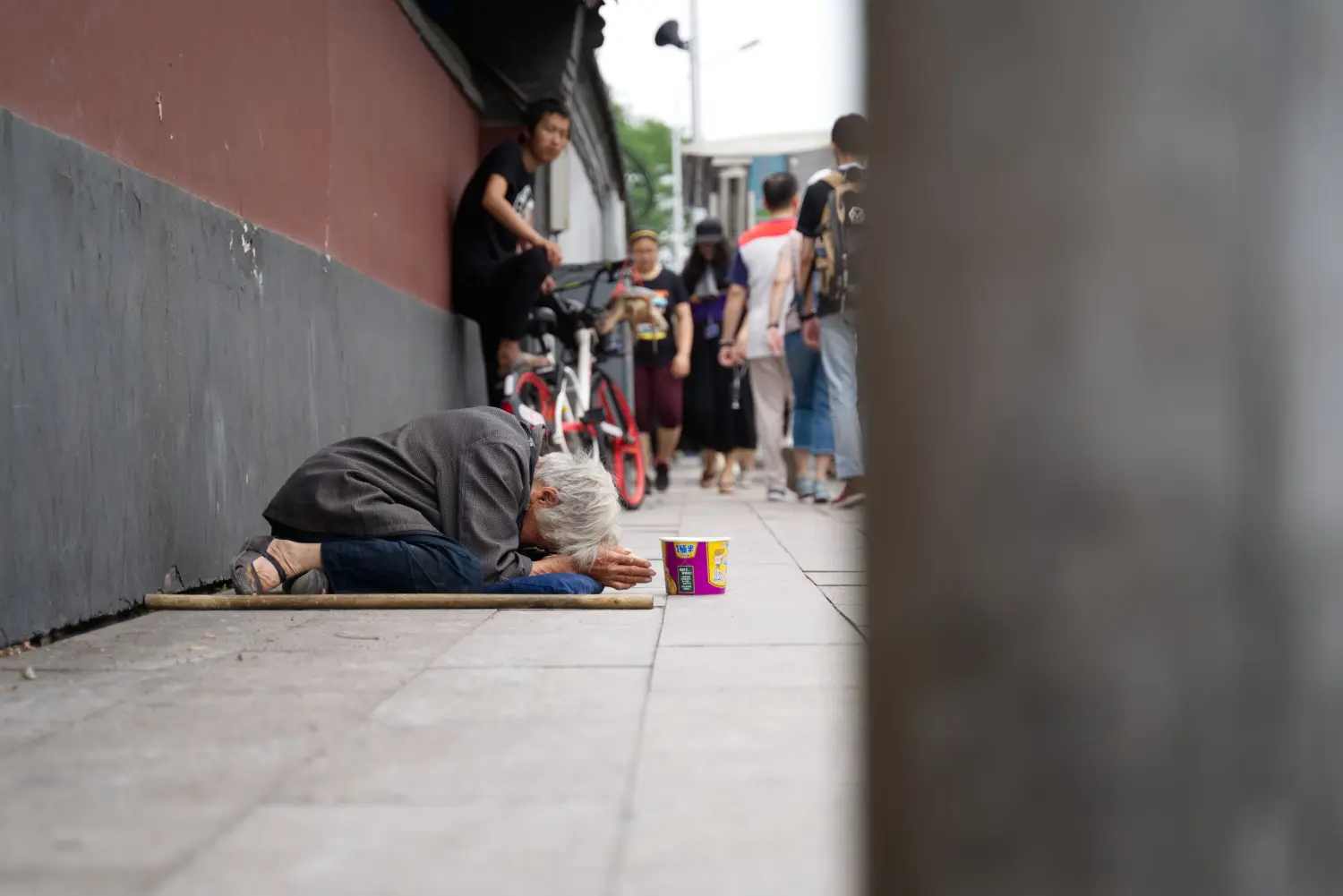
Consider the stark imagery from China: young people, blacklisted by an unforgiving Social Credit System, sleeping on the streets not because of unemployment but because of a digital decree that strips them of their financial existence. This is not a system of governance but a mechanism of control, where obedience is currency and dissent is poverty. Brazil, under the current administration, is not immune to this trajectory. The expansion of Bolsa Família, far from being a lifeline, has become a noose around the neck of personal responsibility and economic freedom. By 2025, millions are tethered to government handouts, their futures mortgaged to a state that prioritizes power over progress.
The numbers tell a damning story. With a working-age population of around 147 million, the persistence of informal work—estimated at 33.3% of GDP—underscores a fundamental truth: people are not choosing dependency; they are being forced into it by a system that makes formal employment less viable. High taxes, bureaucratic red tape, and the allure of informal gains, compounded by the safety net of Bolsa Família, create a perverse incentive structure. Why strive for a job when the state will provide, albeit inadequately? This is not social justice; it is social engineering, designed to maintain a voter base rather than uplift a nation.
Education, the bedrock of any thriving society, has been woefully neglected. Instead of investing in schools, infrastructure, and vocational training that could empower individuals, the government pours resources into a program that does little more than perpetuate poverty. The result is a generation ill-equipped to compete in a global economy, trapped in a cycle of dependency that benefits politicians more than people. The future is not just scary; it is a nightmare of increased poverty, stunted growth, and a populace increasingly beholden to the state.
The parallels with China are chilling. Both nations have succumbed to the temptation of control, whether through digital blacklists or social programs that bind citizens to the government’s will. In Brazil, the Digital Real (DREX) looms as a potential tool for further surveillance and control, a digital leash that could tighten around the necks of the already vulnerable. This is not the path to freedom but to serfdom, where the state dictates not just how you live but whether you can live at all.
The solution is not more government but less. Brazil must shift its focus from creating dependency to fostering independence. This means dismantling the bureaucratic barriers to formal employment, reducing the tax burden, and investing in education and job creation. Only then can the nation hope to break free from the cycle of poverty and power that threatens to consume it. The future is indeed scary, but it need not be inevitable. The choice is clear: embrace liberty and responsibility, or resign to a legacy of control and despair. The clock is ticking, and the stakes could not be higher.