


Lula’s Son Implicated in Billion-Dollar INSS Theft Ring: Elite Protection Prevails as Commission Rejects Explosive Report
By Hotspotnews
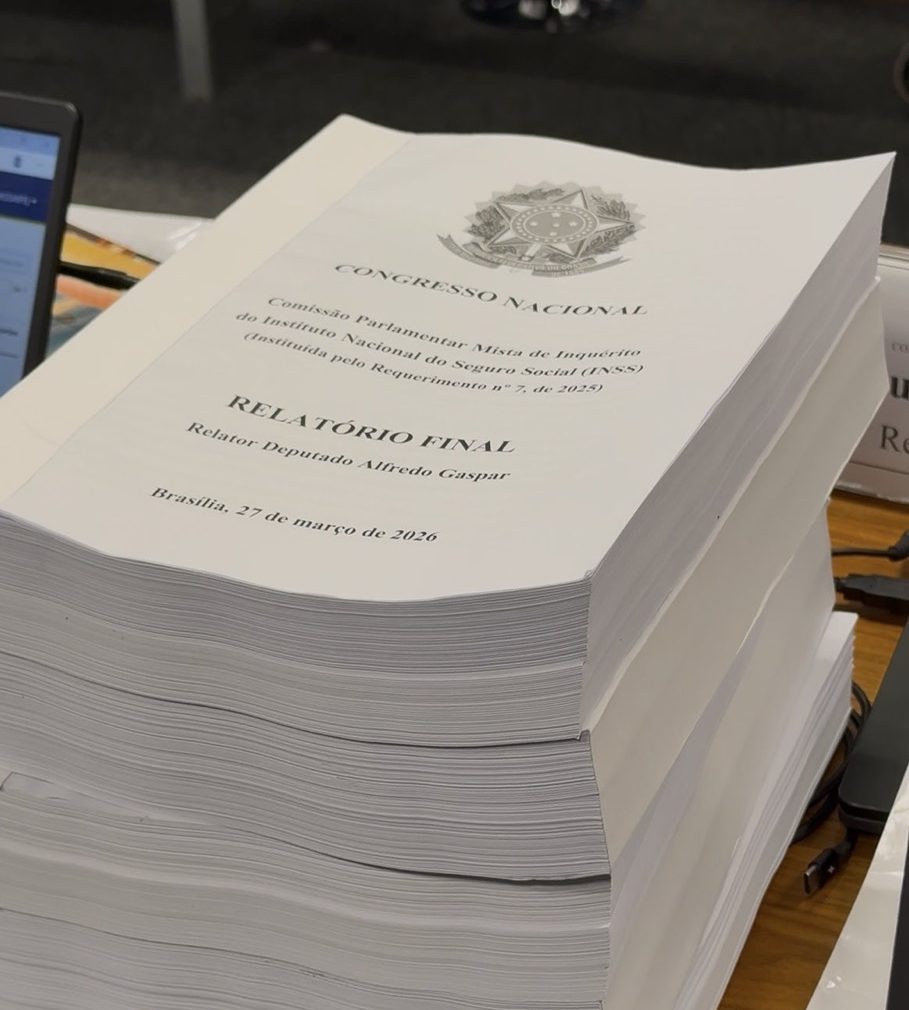
In a stunning blow to the culture of impunity that has long plagued Brazilian politics, Deputy Alfredo Gaspar, the no-nonsense rapporteur of the Joint Parliamentary Commission of Inquiry into the INSS (CPMI do INSS), dropped a 4,400-page bombshell report on March 27, 2026. This exhaustive document—compiled despite relentless political sabotage and a last-minute Supreme Court ruling blocking any extension of the commission—recommended the formal indictment of 216 individuals and entities for orchestrating one of the most brazen fraud schemes in recent memory. At its core: a sophisticated criminal network that systematically looted the pensions and benefits of millions of vulnerable elderly Brazilians through fraudulent consigned loans and unauthorized “associative discounts.”
The report didn’t pull punches. Among those facing recommended criminal charges was none other than Fábio Luís Lula da Silva—better known as “Lulinha,” the eldest son of President Luiz Inácio Lula da Silva. Prosecutors were urged to pursue him for influence peddling, money laundering, criminal organization, and complicity in passive corruption. Evidence cited included his alleged proximity to key operators in the scam, including suspicious financial flows, luxury perks, and ties to figures like the notorious “Careca do INSS” (Antônio Camilo Antunes), the scheme’s alleged ringleader. Gaspar even requested preventive detention for Lulinha, citing flight risk due to his residence in Madrid and concrete indications of involvement. This wasn’t abstract; it was a direct hit on the first family, exposing how influence at the highest levels allegedly greased the wheels for a racket that drained tens of billions of reais from the very people the left claims to champion—the hardworking retirees who built this nation.
Make no mistake: this scandal is a masterclass in elite predation. The fraud involved shadowy networks of bankers, public servants, politicians, and fixers who exploited INSS systems to siphon money straight from pensioners’ accounts. Consigned loans were rubber-stamped without consent, “associative” fees were deducted under false pretenses, and the proceeds funneled through a web of shell companies and political protection. Damage estimates ran as high as R$40 billion in irregularities—a theft not from faceless taxpayers, but from Brazil’s most defenseless: seniors relying on modest benefits to survive inflation and rising costs. Gaspar’s team documented technical, administrative, financial, and political nuclei behind it all, backed by bank records, testimonies, and data breaches from months of rigorous investigation.
Critically, the report stayed laser-focused on evidence. It named names across the aisle—including former ministers from both Lula’s and Bolsonaro’s administrations, Senator Weverton Rocha, and prominent bankers like Daniel Vorcaro—without gratuitous political grandstanding against the presidents themselves. This is what real accountability looks like: data-driven, not partisan theater.
Yet in the early hours of March 28, 2026, after a marathon 17-hour session filled with shouting matches and obstruction, government-aligned members (PT and allies) voted down Gaspar’s report by a margin of 19 to 12. The commission closed its doors without approving any final document, ending seven months of work in what opposition voices rightly called a “blindagem”—a protective shield for the powerful. The left celebrated the rejection, with some pushing an alternative report that targeted opposition figures instead. The president of the CPMI refused to entertain that substitute text, bringing the proceedings to an abrupt end.
For conservatives who have long warned about the PT’s entrenched cronyism, this rejection is a painful but predictable vindication. Lula rode to power promising to fight corruption and protect the poor, yet here we see his own son’s alleged entanglement in a scheme robbing the elderly—the very demographic the left parades as victims of “neoliberalism.” It exposes the hypocrisy of a political class that lectures about social justice while enabling billion-real heists from grandma’s pension check and then voting to bury the evidence. The Supreme Court’s intervention to halt the probe’s extension only amplified the sense that institutions are being weaponized to protect insiders.
Even as the commission wrapped up under duress, Gaspar’s work—finished in marathon overnight sessions amid obstacles—stands as a testament to integrity over ideology. The rejected report does not vanish into thin air; its thousands of pages of evidence, testimonies, and recommendations remain public record and can still be forwarded to the Federal Public Ministry, Federal Police, and other authorities for independent investigation and potential prosecutions. Many of the underlying cases were already feeding into separate probes.
The next step is clear: federal prosecutors and courts must act without fear or favor on the mountain of evidence compiled. No more delays, no more elite exemptions. Brazil’s retirees deserve justice, not empty rhetoric or backroom deals. If this scandal—ending in a naked display of political protection—doesn’t spark a national reckoning against systemic graft, nothing will. The elderly have been robbed long enough. It’s time the powerful face the consequences, vote or no vote. The truth doesn’t depend on a commission tally; it demands action.