

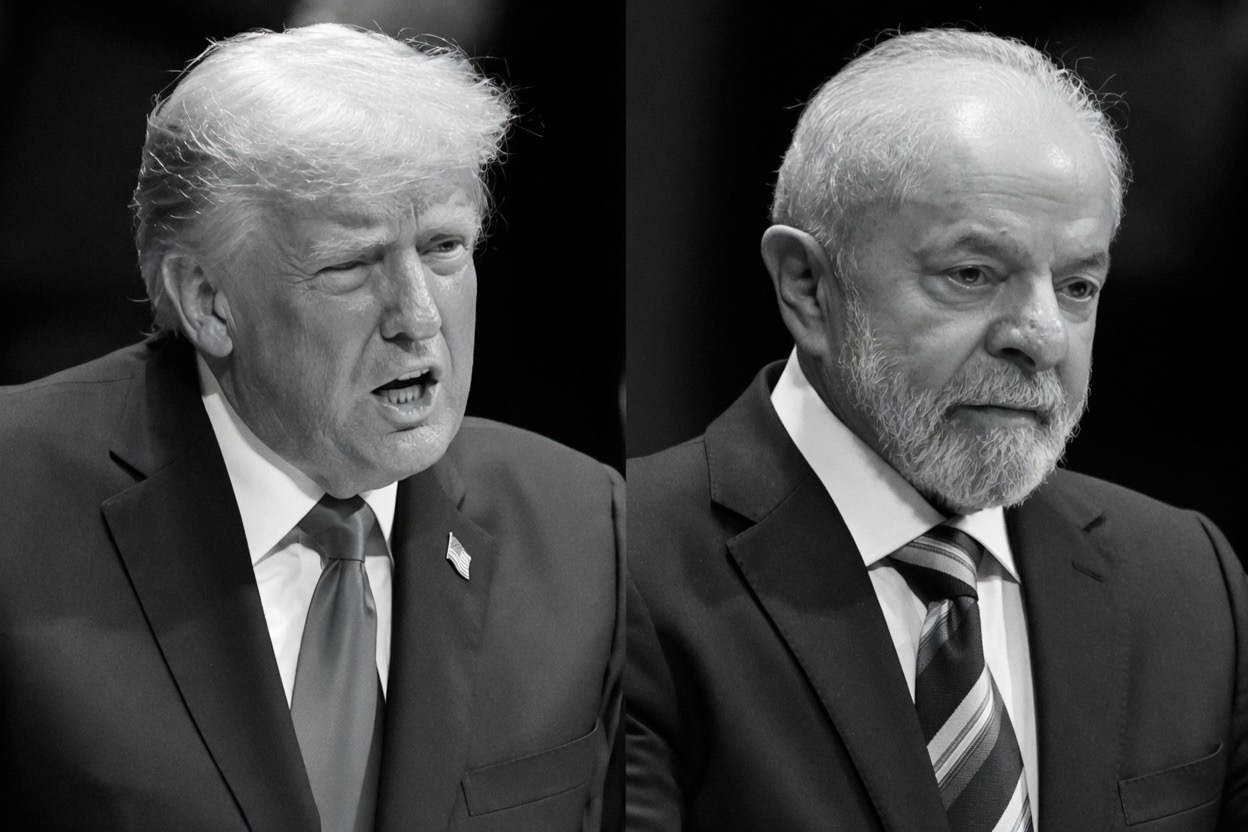

Lula’s Nightmare: U.S. Terror Designation Exposes Brazil’s Soft-on-Crime Leftist Regime
By Hotspotnews
In a decisive blow for law and order across the Americas, the Trump Administration has officially slapped Brazil’s deadliest criminal organizations — Primeiro Comando da Capital (PCC) and Comando Vermelho (CV) — with Specially Designated Global Terrorist status. Full Foreign Terrorist Organization (FTO) designation hits on June 5, 2026. Secretary of State Marco Rubio delivered the clear message: these narco-terrorists spread violence, drugs, and chaos into the United States and the region. America will use every tool to cut off their money, weapons, and safe havens.
For President Luiz Inácio Lula da Silva, this move is a political earthquake.
While Flávio Bolsonaro worked directly with Washington to push for strong action against these gangs, Lula’s government fought hard behind the scenes to stop the designation. Brazilian diplomats warned against “dangerous precedents” and claimed these are just ordinary criminals, not terrorists. Lula’s team repeatedly pressured the U.S. to back off, placing concerns about sovereignty and possible foreign interference above the urgent need to dismantle organizations responsible for thousands of deaths, prison takeovers, and transnational drug empires.
The result? The United States moved forward anyway. This is a direct rebuke to Lula’s approach: weak domestic security policies paired with resistance to international pressure that actually targets the root of the violence.
Political Damage at Home
The timing could not be worse for Lula. With elections approaching, the right-wing opposition now has powerful ammunition. Flávio Bolsonaro and his allies are celebrating this as proof that only a tough, pro-security government can protect Brazil. They contrast their proactive lobbying with Lula’s PT administration, which appeared more worried about optics and alliances than about Brazilian families living in fear of these gangs.
This designation highlights deep questions about Lula’s network of alliances. Why did his government fight so aggressively against a measure that targets pure criminal enterprises? Critics argue it reflects discomfort with aggressive anti-crime strategies that could shine unwanted light on connections between weak governance, corruption, and the environments where these groups flourish. It also strains relations with Washington at a moment when Brazil needs pragmatic diplomacy, not ideological standoffs.
A Wake-Up Call for Brazil
Under Lula, Brazil has seen continued challenges with violent crime, prison system collapses, and gangs that operate like parallel states. The Trump Administration’s decision sends a strong signal: narco-terror will not be tolerated in the hemisphere. Safe havens are ending.
Lula now faces a difficult choice — continue resisting and appear soft on the very groups destroying Brazil, or pivot and risk looking weak after months of opposition. Either path hands the Bolsonaro-aligned forces a winning narrative heading into future elections: real security comes from strength, not excuses.
The Trump war on narco just got much closer to Brazil, and Lula’s troubles are only beginning. Brazilians deserve leaders who prioritize citizens’ safety over political ideology. This designation makes that choice crystal clear.