


Brazilian Elite Faces Reckoning in Massive Americanas Fraud Scandal
By Hotspotnews News
In a rare display of accountability that should hearten anyone who believes in the rule of law and equal justice, Brazil’s Federal Police have launched the second phase of Operation Disclosure, targeting some of the country’s most powerful business figures and major banks in connection with the Lojas Americanas accounting scandal—one of the largest corporate frauds in Latin American history.
Authorities executed search warrants and secured court orders to freeze up to R$ 54 billion (roughly $9.5 billion USD) in assets. Among those in the crosshairs are Carlos Alberto Sicupira (known as Beto Sicupira), a key controlling shareholder, and Paulo Alberto Lemann, son of billionaire Jorge Paulo Lemann. Executives from Itaú, Bradesco, and Santander are also under scrutiny. The investigation is examining whether these influential players knew about or helped conceal the true extent of the retailer’s debts, which ballooned into a black hole estimated at tens of billions of reais.
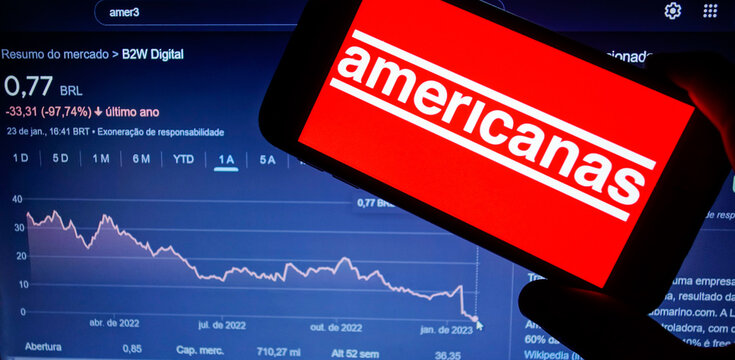
This is not some minor bookkeeping error. What began as a shocking revelation in early 2023—when Americanas disclosed massive “inconsistencies” initially pegged around R$ 20 billion—has grown into an outright fraud that has devastated creditors, wiped out shareholder value for ordinary investors, and shaken confidence in Brazil’s capital markets. The company collapsed into judicial reorganization, leaving employees, suppliers, and pension funds exposed while the big names at the top appeared insulated for far too long.
For conservatives who have long warned about crony capitalism and the cozy relationships between oligarchs, banks, and regulators, this case is exhibit A. Brazil’s economic elite—often celebrated in Davos circles for their “progressive” globalism—built an empire on leveraged bets and creative accounting that ordinary Brazilians are now paying for through lost jobs, higher costs, and eroded trust. When powerful families and too-big-to-fail banks allegedly manipulate markets and hide liabilities, it is not innovation; it is theft from the productive economy and the middle class.
The involvement of major private banks raises serious questions about due diligence—or the lack thereof. Did these institutions turn a blind eye to red flags because Americanas was too connected to challenge? In a healthy free-market system, creditors and investors demand transparency. When that fails, it invites exactly the kind of heavy-handed government intervention we are now seeing. True conservatives support vigorous prosecution of fraud not because we love regulation, but because fraud undermines the moral foundation of capitalism itself: voluntary exchange based on honest information.
Jorge Paulo Lemann’s 3G Capital empire has long been praised for its ruthless efficiency and cost-cutting. That model delivered impressive returns for insiders, but the Americanas saga suggests it may have also encouraged aggressive financial engineering that crossed into illegality. Paulo Lemann’s inclusion in this phase of the probe is particularly notable. The children of billionaires should not enjoy immunity simply by birthright. If evidence shows involvement or willful blindness, they deserve the same treatment as any other citizen.
Brazil has suffered too many scandals where the powerful escape consequences—Operation Car Wash being the most prominent recent example of both progress and eventual backsliding into impunity. Operation Disclosure offers a chance to break that cycle. Freezing billions in assets sends a strong signal that no one is above the law. Yet freezing is only the beginning. Prosecutors must follow the evidence rigorously, avoid politicization, and deliver convictions where warranted. Anything less will confirm the cynical view that in Brazil, justice is for the little guy while the connected get away.
The broader lesson is clear: robust property rights, transparent accounting, and swift punishment for white-collar crime are essential to any thriving economy. Without them, capital flees, investment dries up, and ordinary people bear the burden of elite failure. As this investigation unfolds, Brazilians deserve full disclosure, not more spin from boardrooms or Brasília. The market can only function when fraud is exposed and punished—without favoritism or delay.