

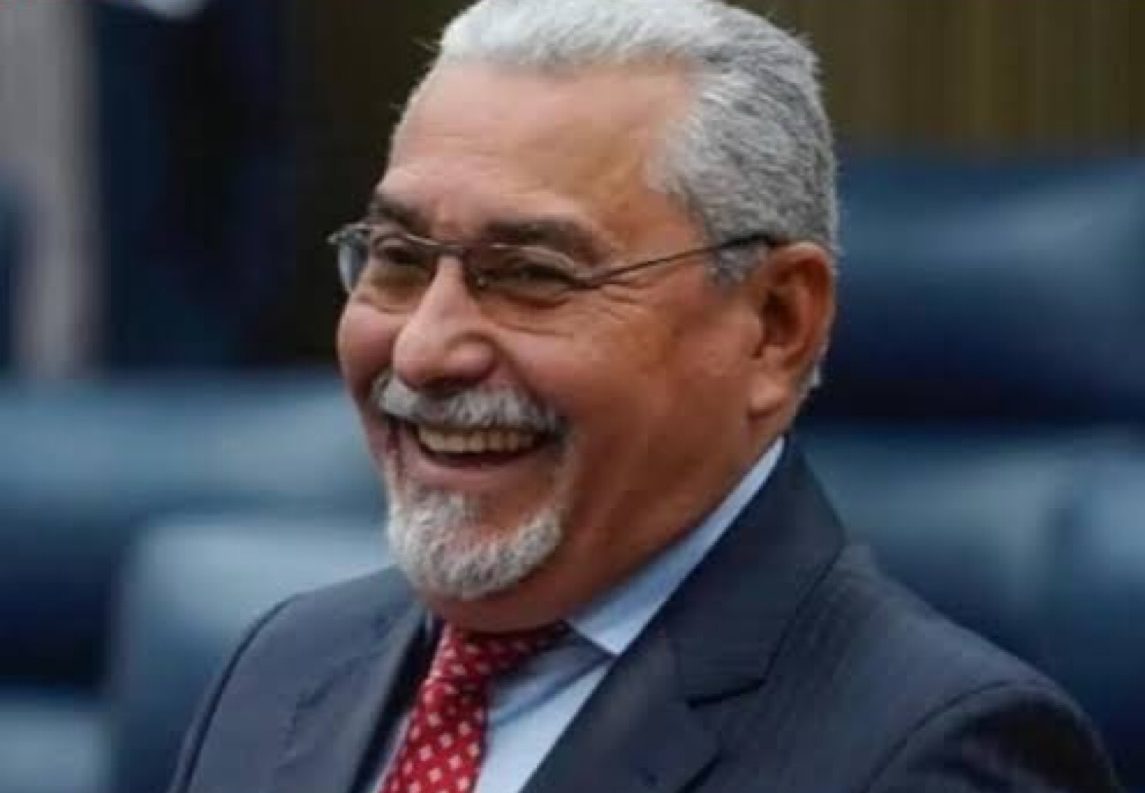

Another Scandal Brewing: PT Councilman Arrested in PCC Money Laundering Scheme Through São Paulo Bus Company
By Hotspotnews
In yet another blow to the facade of “social justice” politics in Brazil, São Paulo authorities launched Operação Última Parada on June 25, 2026, exposing what appears to be a deeply entrenched alliance between leftist political operatives and one of Brazil’s most violent criminal organizations.
Vereador Senival Moura (PT), a longtime Workers’ Party figure and chairman of the transport committee in the São Paulo City Council, was among those arrested. Investigators allege he exercised “tactical control” over Transunião Transportes, a major bus operator serving dozens of lines in the city’s eastern and southeastern zones, transporting hundreds of thousands of passengers daily. According to the Public Prosecutor’s Office, the company was allegedly used to launder over R$ 300 million for the Primeiro Comando da Capital (PCC) in 2025 alone.
Moura reportedly controlled around 13 buses through frontmen (“laranjas”), while the company faced intervention by city authorities to ensure service continuity. Five arrests were made, including the company president and a PCC-linked figure. Courts blocked nearly R$ 194 million in assets.
This isn’t an isolated incident. Transunião marks the fourth São Paulo bus company under scrutiny for PCC ties. For years, conservative voices have warned that the public transport sector — heavily regulated, subsidized, and politically influenced — has become a playground for organized crime and its political enablers. Ordinary citizens pay rising fares while their money allegedly funnels into criminal enterprises and allied political machines.
The PT Pattern: Promises vs. Reality
The PT loves to posture as the defender of the working class and enemy of “fascism,” yet here we see one of its councilmen deeply entangled in a scheme benefiting the very narco-dictatorship terrorizing Brazilian cities. This echoes past scandals: PT figures linked to PCC meetings, front companies, and systemic corruption in transport mafias that predate but clearly thrive under permissive leftist governance in places like São Paulo.
While left-wing media will downplay this as a “local issue” or “without proven party involvement,” the optics are damning. A PT vereador allegedly helping launder PCC money through essential public services? This is the real face of “dialogue” with crime that conservatives have long criticized.
Tarcísio’s Government Delivers Action
Contrast this with Governor Tarcísio de Freitas (Republicans), whose administration continues aggressive operations against the PCC’s financial arm. State Civil Police and prosecutors executed this raid, building on prior efforts to choke off crime funding. Tarcísio has made public security and economic pragmatism hallmarks of his tenure — results over rhetoric.
Under conservative-leaning leadership, São Paulo is seeing more accountability, even as entrenched interests in the capital’s PT-influenced municipal politics resist. The intervention in Transunião by city hall shows the necessity of decisive state response when public services are compromised.
Time for Real Reform
Brazil’s transport cartels, bid rigging, and crime infiltration won’t end with one operation. Conservatives argue for structural changes: greater privatization where feasible, stricter oversight free from political patronage, harsher penalties treating PCC as the terrorist organization it is, and rejecting any “dialogue” that legitimizes criminals.
The working families riding these buses deserve clean, safe, and honestly run services — not vehicles bankrolling narco-empire and political protection rackets. As more details emerge from Operação Última Parada, one thing is clear: another scandal is brewing, exposing the rot. Brazilians deserve better than recycled PT-era failures dressed up as progress. Strong leadership, rule of law, and zero tolerance for crime must prevail.