


The Price of Power: Lula’s Latest Bargain Exposes the Rot at the Heart of Brazil’s Left
By Hotspotnews
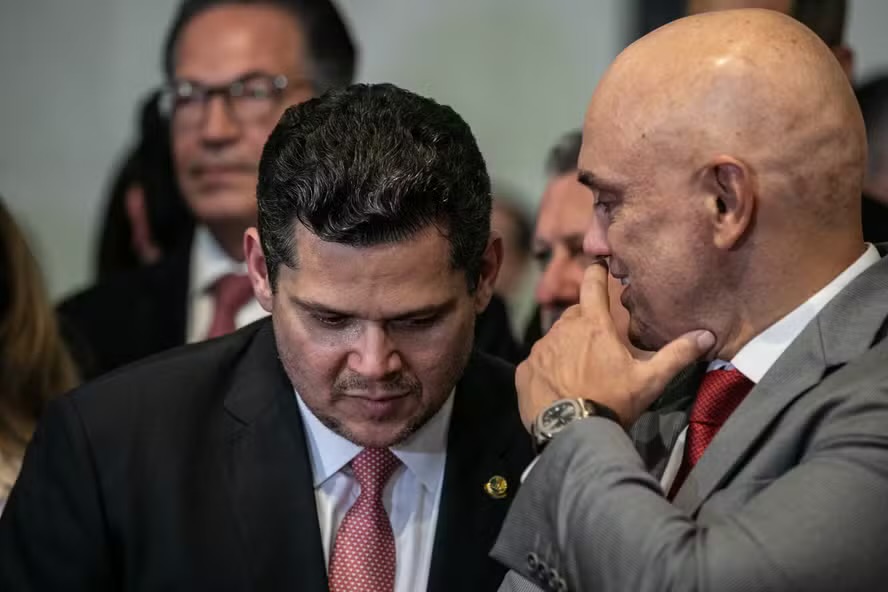
In the shadow of an approaching presidential election, Brazilian politics has once again revealed its ugliest face. Senate President Davi Alcolumbre is reportedly clearing the path for a package of high-value bills tailored to Luiz Inácio Lula da Silva’s re-election campaign. In return, the president is expected to deliver political support for Alcolumbre’s own hold on the Senate leadership and, according to reports, a measure of protection in the ongoing Banco Master investigations. The arrangement is being described in some corners as pragmatic governance. A more accurate description is raw political horse-trading that prioritizes personal and partisan survival over the public interest.
The bills in question—ending the 6×1 work schedule, a public security constitutional amendment, and legislation on critical minerals—are not being advanced primarily because they represent the best long-term policy for Brazil. They are being advanced because they poll well and can be packaged as campaign victories for the Workers’ Party. Lula’s government, facing a tight race, is treating the Senate calendar as an extension of its campaign headquarters. Alcolumbre, a classic Centrão operator, is extracting what every skilled power broker seeks: continued institutional control and insulation from legal pressure.
This is not an isolated episode. It fits a pattern that has defined Lula’s career and the broader PT project. When the left needs institutional cooperation, it does not hesitate to cut deals with the very political class it once claimed to despise. Principles are flexible when power is at stake. Investigations that threaten allies become inconveniences to be managed. Legislative priorities become campaign tools. The language of social justice is deployed while the machinery of the state is quietly leveraged for electoral advantage.
Conservatives have long warned that the combination of a polarizing left-wing presidency and a transactional Congress produces exactly this outcome. Institutions are not treated as independent checks on power but as resources to be bargained over. The result is predictable: public trust erodes, serious investigations risk being diluted, and the line between governing and campaigning disappears. Brazilians are left watching another chapter in a long story of elite accommodation dressed up as national progress.
Alcolumbre’s calculated move is unsurprising from a figure whose career has thrived on navigating between competing power centers. What should concern every citizen who values limited government and institutional integrity is the willingness of the Planalto to play the same game so openly. When the president’s team signals that support for re-election and quiet assistance on sensitive probes are acceptable currency for legislative favors, it confirms the worst suspicions about the governing style of the current administration.
Brazil does not need more backroom arrangements that shield the powerful. It needs accountability, transparent priorities, and leaders who treat the Senate as a deliberative body rather than a campaign prop. Voters will soon have the chance to decide whether this latest bargain represents the kind of politics they want to reward. The record suggests that those who are “capable of anything to win” rarely stop once they have won.