


Israel-Iran Escalation: A Deadly Exchange with Global Economic Stakes
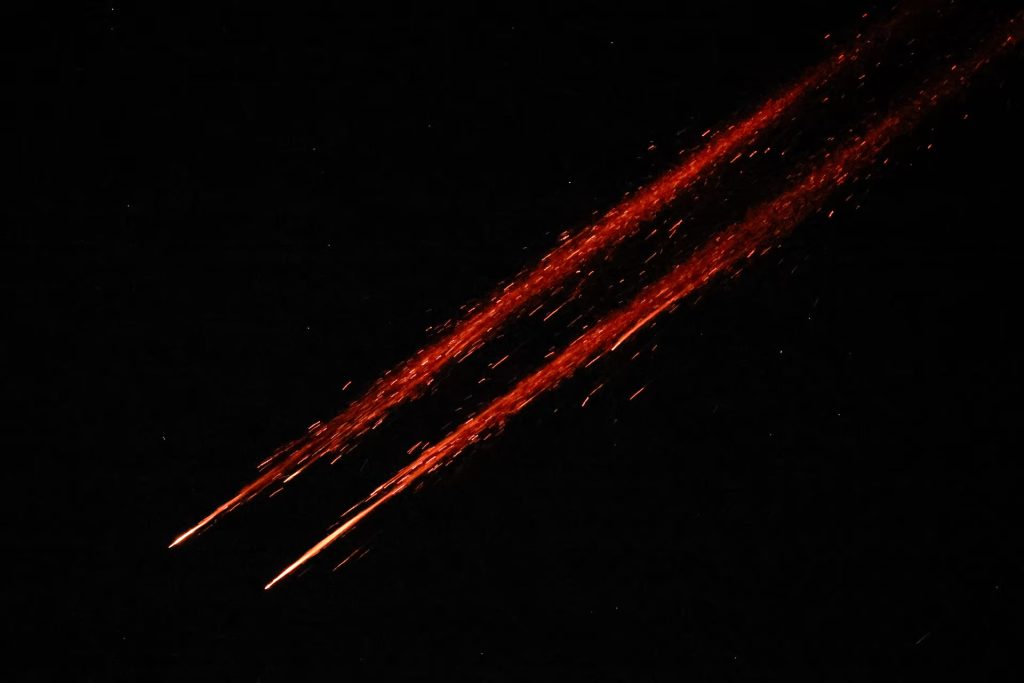
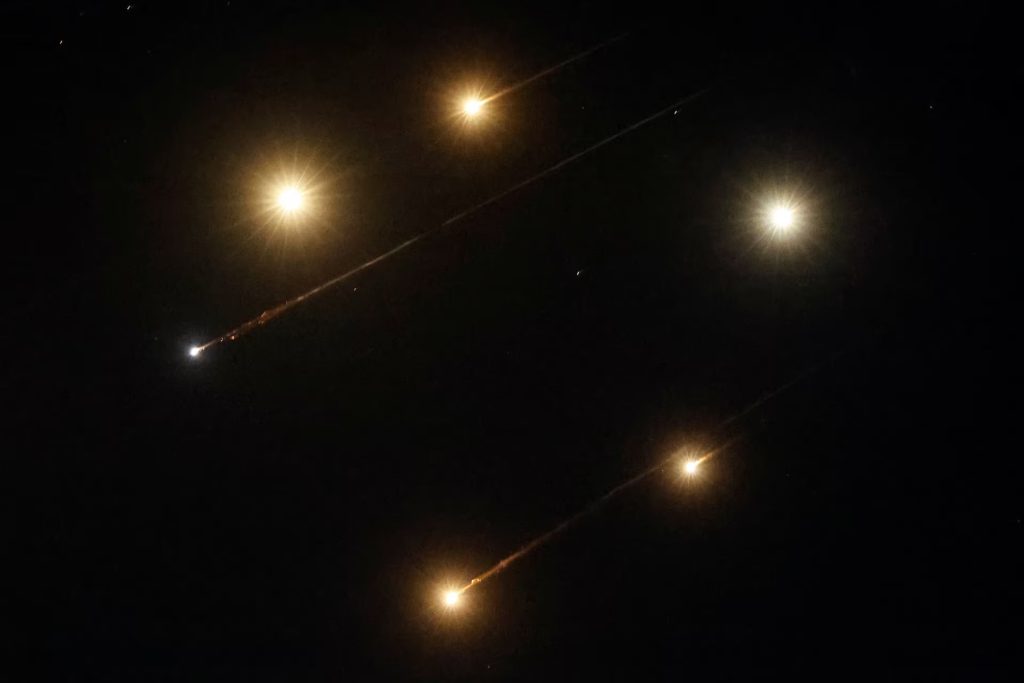
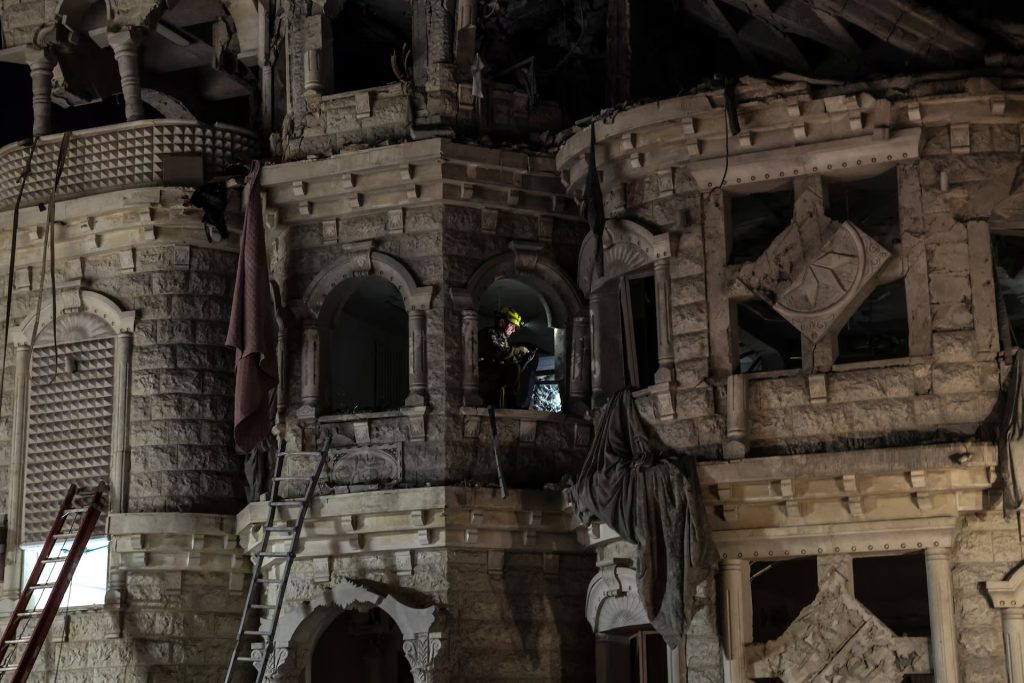
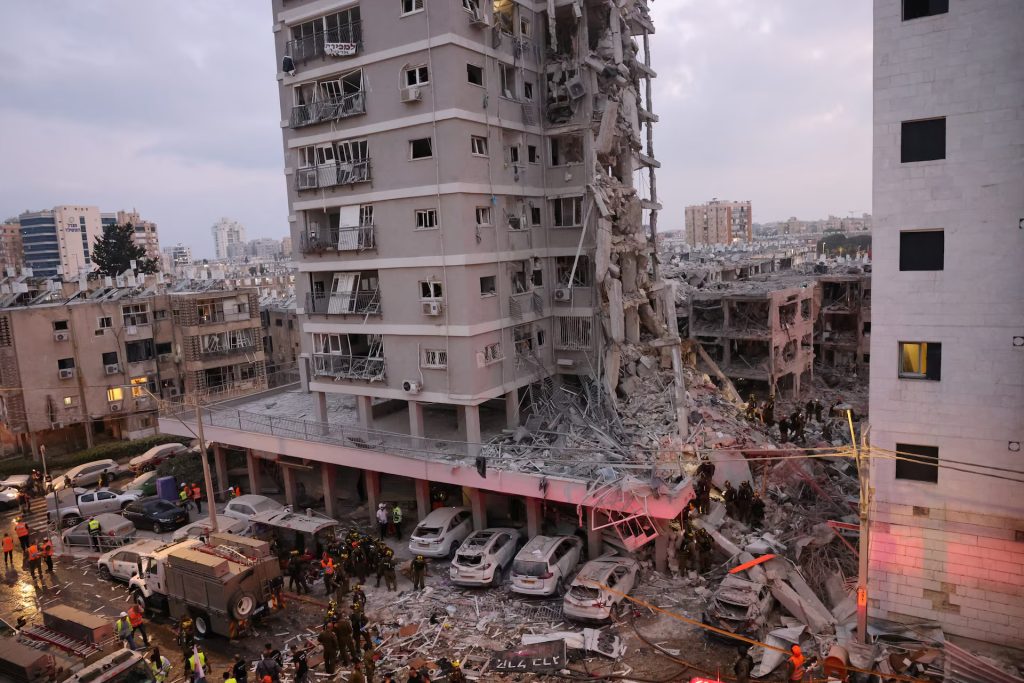
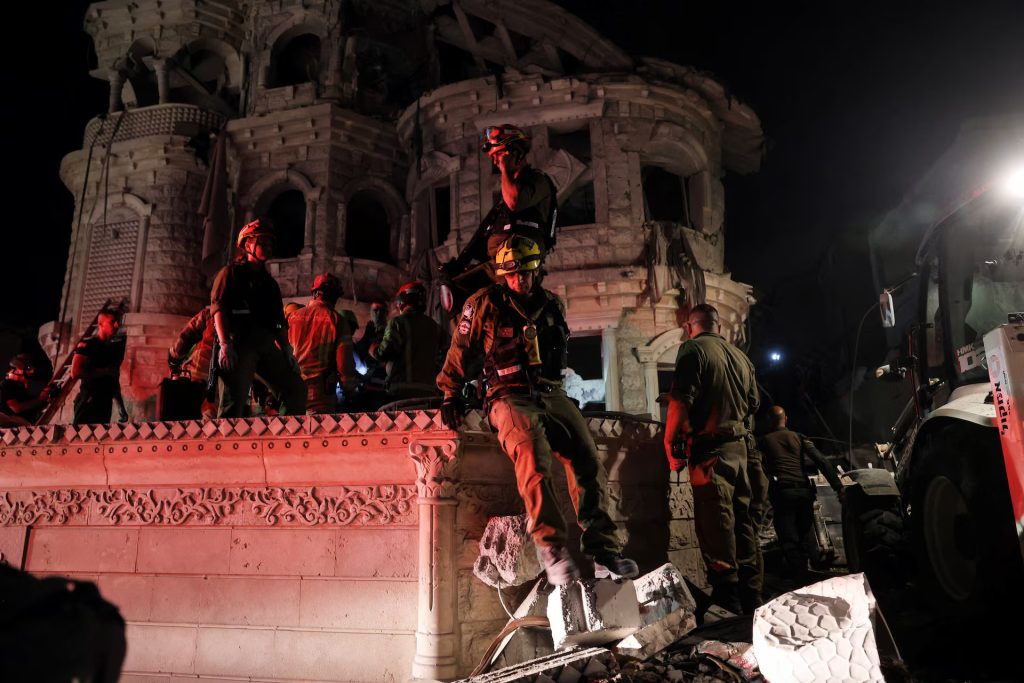
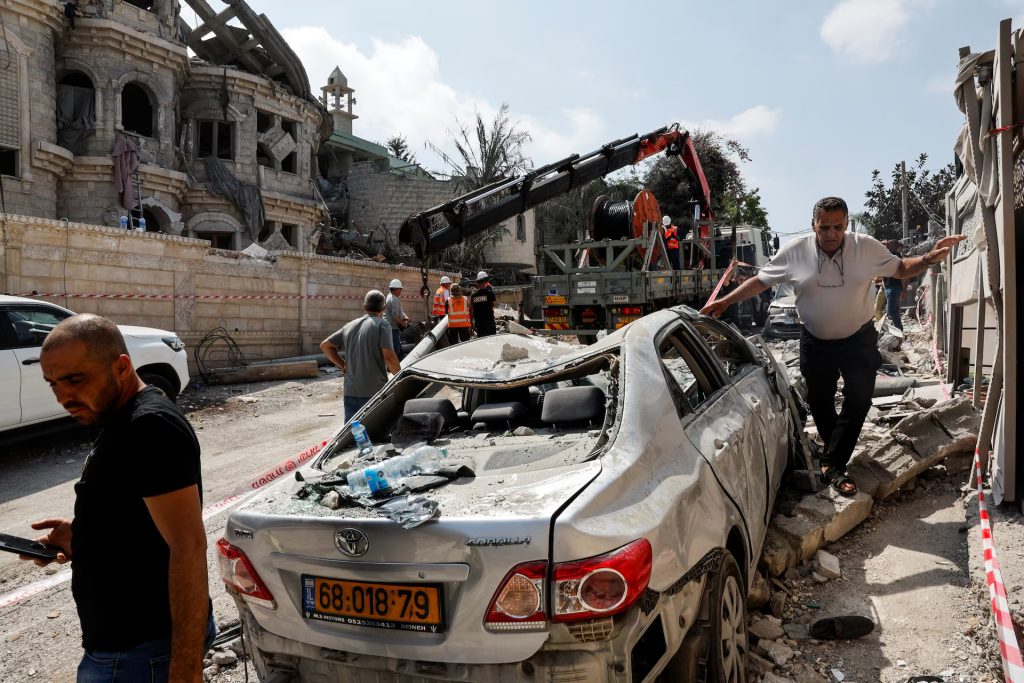
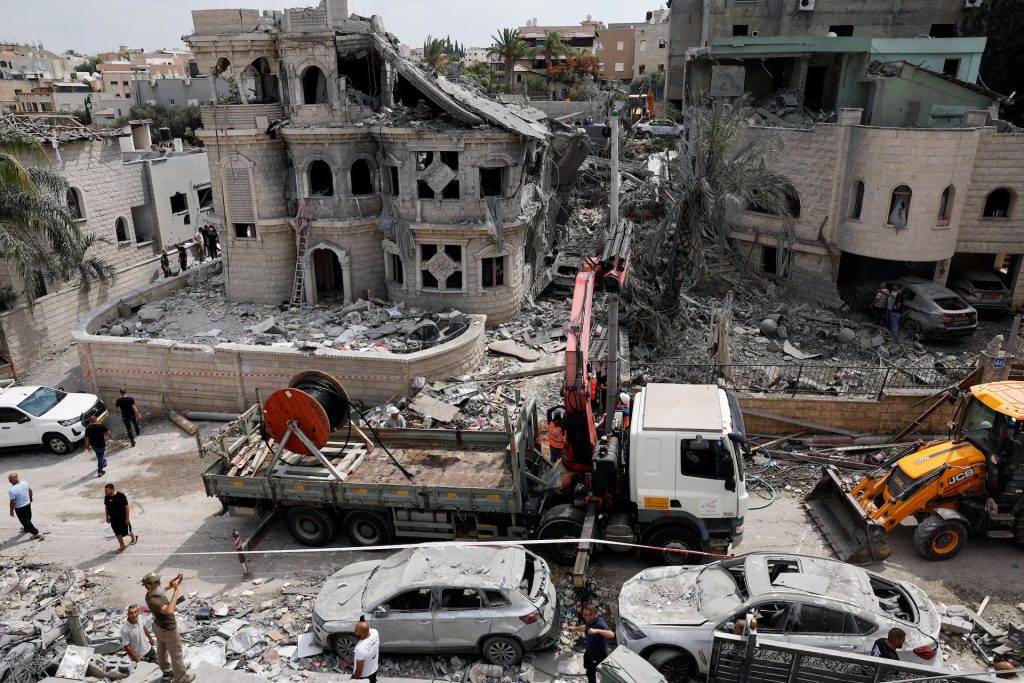
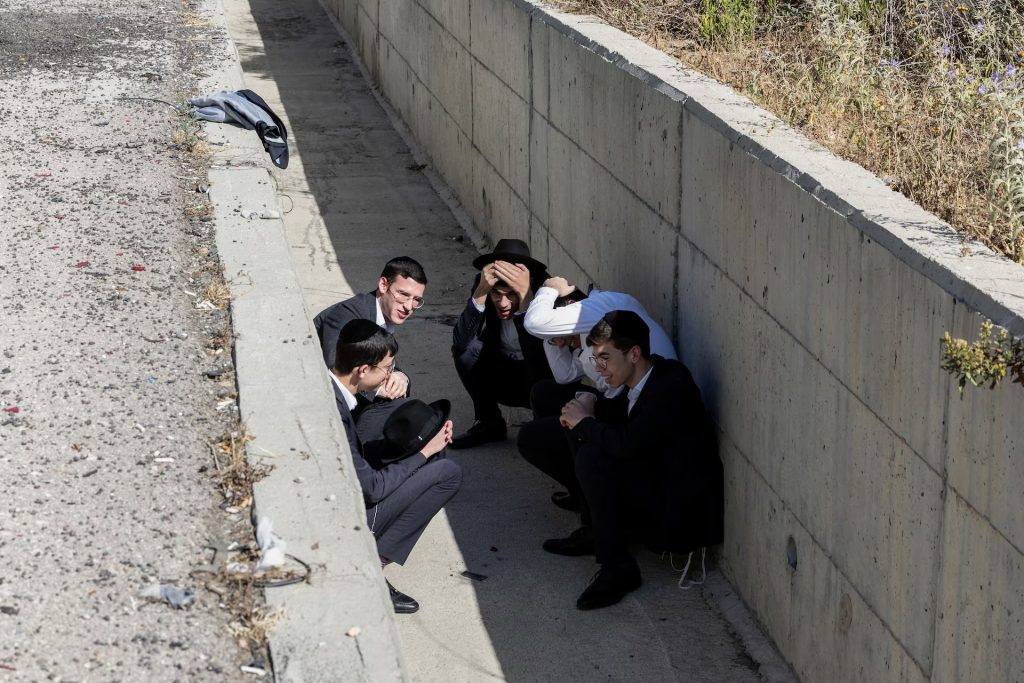
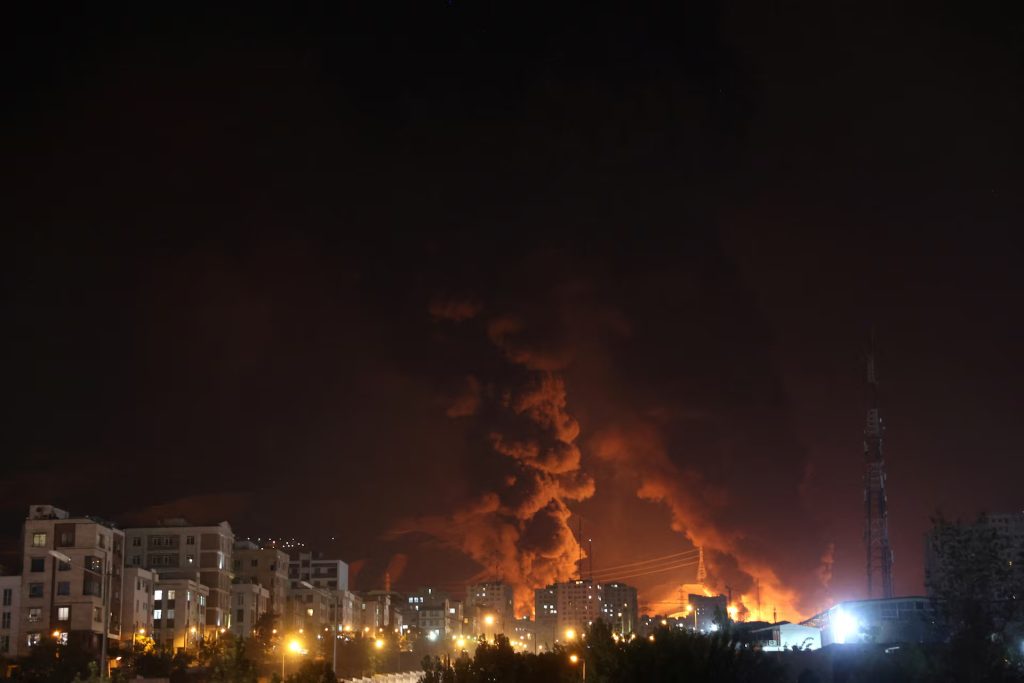
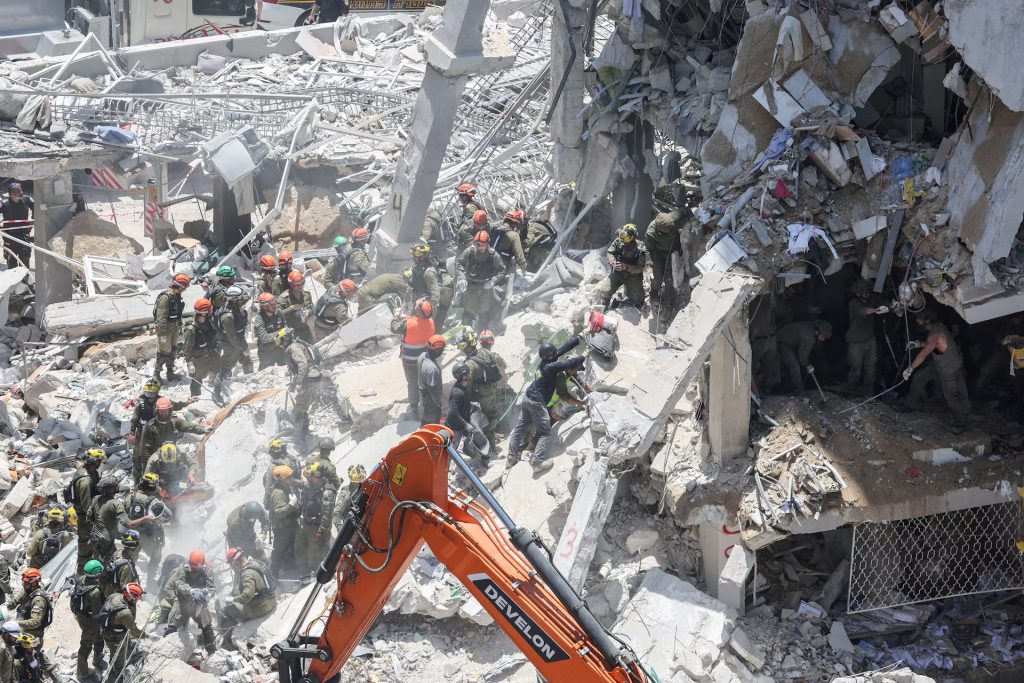
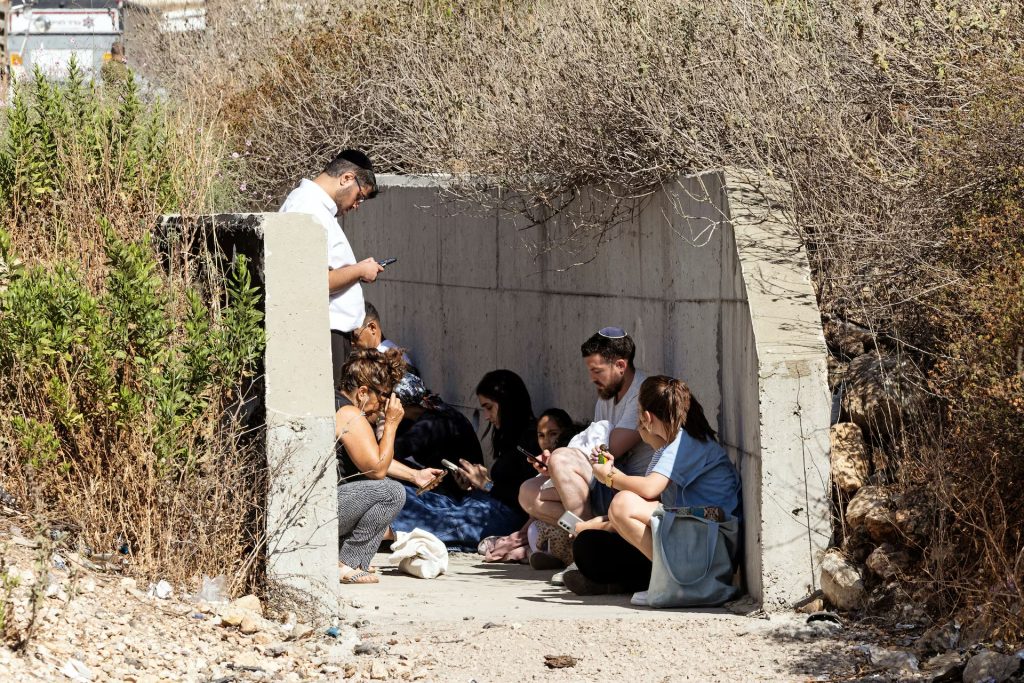
*June 15, 2025* – Hotspotorlando News. The Middle East is once again a flashpoint of violence and geopolitical brinkmanship, as Israel and Iran trade devastating blows in a rapidly escalating conflict. Israel’s Operation Rising Lion, a series of airstrikes targeting Iran’s nuclear facilities, military infrastructure, and oil and gas sectors, has left at least 406 dead, including 60 in Tehran, and hundreds injured, according to Reuters and local reports. Iran’s retaliatory missile barrages killed 13 Israelis and caused widespread damage, intensifying fears of a broader regional war. With global oil prices surging and diplomatic efforts faltering, the world watches anxiously as economic and political ramifications unfold.

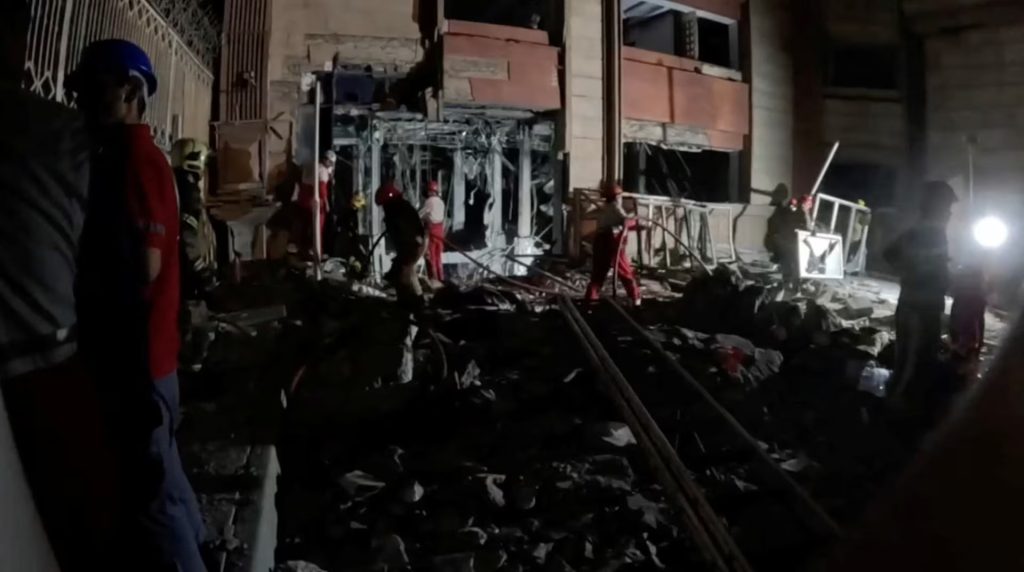
A Lethal Tit-for-Tat
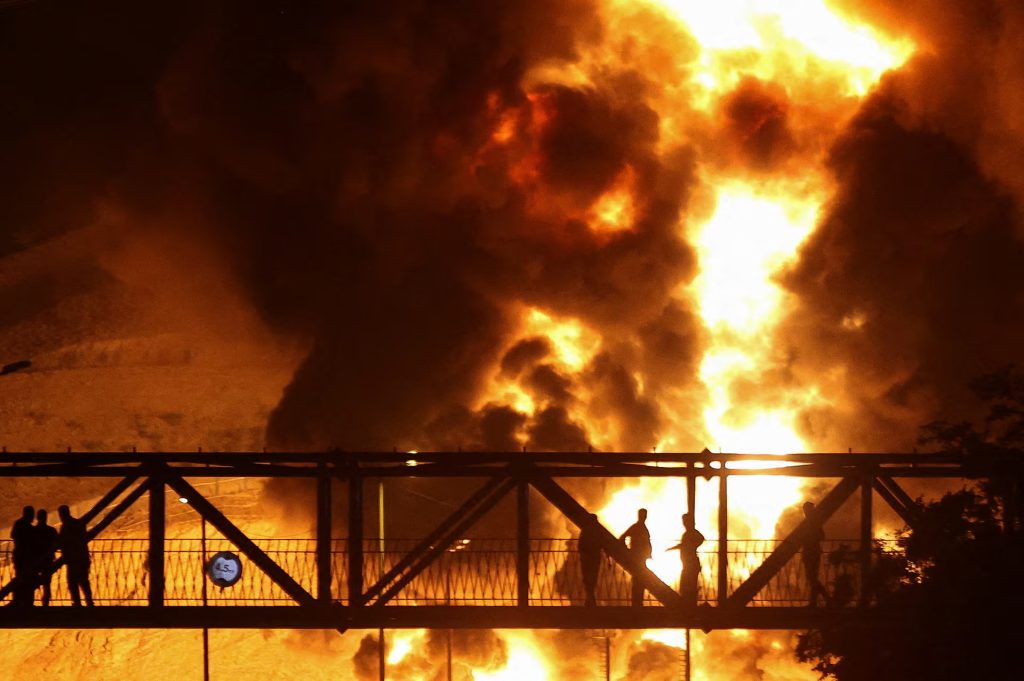
Israel’s strikes, launched in response to perceived threats from Iran’s nuclear program and regional proxies, were a calculated escalation. The operation crippled key Iranian energy infrastructure, including fuel depots, and targeted military assets, signaling Israel’s resolve to neutralize Iran’s capabilities. Prime Minister Benjamin Netanyahu, speaking on Fox News, vowed to continue targeting Iran’s leadership and nuclear ambitions, dismissing reports of internal disagreements over the scope of the attacks.
Iran’s response was swift and severe. Missile strikes rained down on Israeli territory, killing civilians and damaging infrastructure. The Iranian government, reeling from the destruction of its energy sector, promised further retaliation, with state media quoting officials vowing to “make Israel pay.” The human toll is staggering, with both sides reporting significant casualties and displaced populations.
Trump’s Veto and U.S. Involvement
Complicating the crisis is the United States’ delicate balancing act. Two U.S. officials confirmed that President Donald Trump vetoed an Israeli plan to assassinate Iran’s Supreme Leader, Ayatollah Ali Khamenei, a move aimed at preventing an all-out war. Trump, keen on brokering a nuclear deal with Iran, urged both sides to “make a deal” and avoid further escalation. However, the U.S. was informed of Israel’s strikes in advance and did not intervene, raising questions about its role in the conflict.
Trump’s public stance has been one of restraint, warning Iran that American targets are off-limits and hinting at potential U.S. military involvement if provoked. “We don’t want war, but we’re watching closely,” he said in a statement. Behind closed doors, U.S. officials have been in constant contact with Israel, pushing for de-escalation while navigating domestic pressure to support its ally. The cancellation of nuclear talks in Oman, a direct casualty of the strikes, underscores the diplomatic tightrope Washington is walking.
Economic Fallout: Oil Prices and Market Jitters
The conflict’s economic impact is already reverberating globally. Iran’s oil and gas sector, a linchpin of its economy, has been severely disrupted, with fuel depot strikes threatening to slash exports. Brent crude futures surged 4% to $79.23 a barrel, reflecting fears of supply chain disruptions in an already strained energy market. Analysts warn that prolonged conflict could push oil prices higher, fueling inflation and squeezing consumers worldwide.
Israel, too, faces economic strain. Airline disruptions, heightened security measures, and damage to infrastructure are taking a toll, while investor confidence wanes amid fears of a wider war. Global markets, already rattled by geopolitical uncertainty, saw sharp volatility, with energy stocks spiking and broader indices dipping.
Social media platform X has been abuzz with reactions, reflecting a polarized public. Some users praise Trump’s restraint in vetoing the Khamenei assassination, viewing it as a pragmatic move to avoid catastrophe. Others criticize it as a sign of weakness, arguing that decisive action is needed to curb Iran’s influence. Posts also highlight the economic anxiety, with users lamenting rising gas prices and supply chain fears.
A Path Forward?
The road to de-escalation is fraught with challenges. Israel’s determination to dismantle Iran’s nuclear program and Iran’s vow to retaliate leave little room for compromise. The U.S., caught between supporting Israel and pursuing a nuclear deal, faces a narrowing window to broker peace. Trump’s push for diplomacy, while laudable, is undermined by the collapse of talks and the region’s entrenched animosities.
For now, the world braces for the next move. The human cost—hundreds dead, thousands displaced—continues to climb, while the economic fallout threatens to deepen. Oil prices, already a barometer of the crisis, could skyrocket if Iran’s energy sector remains offline or if further strikes target critical infrastructure. Meanwhile, global leaders, from Europe to Asia, are calling for restraint, but their influence over the belligerents remains limited.
As the conflict unfolds, one thing is clear: the Israel-Iran clash is not just a regional crisis but a global one, with far-reaching consequences for energy markets, geopolitics, and the fragile hope for peace in the Middle East. Without swift and bold diplomacy, the cycle of violence—and its economic toll—will only intensify.
source: Reuters, AP, Times