

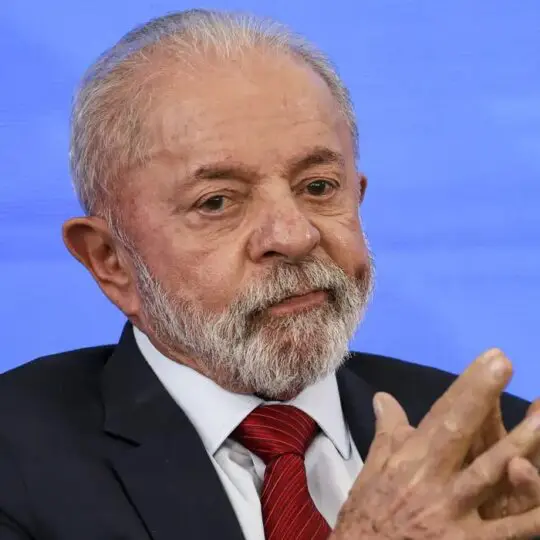

Lula’s Dangerous Softness on Brazil’s Narcoterrorists
By Hotspotnews
In a bold and overdue move, the Trump administration has designated Brazil’s two most powerful criminal organizations — the Primeiro Comando da Capital (PCC) and the Comando Vermelho (CV) — as terrorist groups. This decision classifies them as Specially Designated Global Terrorists, with full Foreign Terrorist Organization status taking effect shortly. It opens the door to freezing assets, disrupting international financing, and enhancing global cooperation against these bloodthirsty networks. For millions of Brazilians living under the shadow of these gangs, it is a long-awaited recognition of reality: these are not mere “criminals” running a business — they are narcoterrorists who rule through fear, murder, and territorial conquest.
Yet President Luiz Inácio Lula da Silva’s government has reacted with outrage, not gratitude. Lula blasted the designation as unacceptable interference in Brazil’s sovereignty. He expressed being “very saddened” by the move and accused the United States of treating Brazil like a lesser nation. Instead of welcoming powerful new tools to dismantle these monsters, Lula’s administration lobbied against the designation and continues to insist these groups are simply profit-driven enterprises best handled through domestic policies that have repeatedly failed.
This response reveals a troubling pattern. For years, the Brazilian left has shown reluctance to confront organized crime with the full force it demands. They prefer framing traffickers as symptoms of “social inequality” or “victims” of a flawed system, while law enforcement officers and ordinary citizens bear the brunt of the violence. PCC and CV control vast drug routes stretching from Brazilian prisons to Europe and beyond. They extort entire communities, massacre rivals, attack police stations, and dominate favelas where the rule of law has effectively collapsed. Their tactics — mass killings, beheadings, and deliberate terror to maintain power — mirror those of designated terrorist groups worldwide. The body count in Brazil’s cities tells the true story: families destroyed, economies crippled, and an entire generation terrorized.
Delegate Alexandre Ramagem, a staunch voice for law and order, put it bluntly in a widely shared video: Why does Lula refuse to label these factions as narcoterrorists? The U.S. designation provides intelligence sharing, financial tracking of billions in dirty money, and international pressure — all without undermining Brazilian sovereignty. It equips authorities to strike at the financial arteries sustaining these empires. Ramagem rightly contrasts this with the left’s consistent siding with criminals over cops, from lenient policies on juvenile offenders to downplaying the gangs’ grip on power through fear. Flávio Bolsonaro and conservative forces have championed this hardline approach, recognizing that endless “root causes” rhetoric achieves nothing when bullets fly and territories fall.
Conservatives understand what Lula’s government seems unwilling to accept: Weakness invites chaos. Brazil does not need lectures on sovereignty from those watching neighborhoods turn into war zones. True sovereignty means protecting citizens first — not shielding violent cartels from effective tools. International designations like this have helped dismantle other transnational threats by starving them of resources and safe havens. Brazil’s gangs thrive on global networks; fighting them requires global resolve.
Lula’s deflection — demanding extraditions while decrying “intervention” — only highlights the ideological blind spot. When criminals carve out parallel states within your borders, clinging to outdated distinctions between “crime” and “terrorism” is a luxury the Brazilian people can no longer afford. The Trump administration’s action is a gift to law-abiding Brazilians: pressure from allies who refuse to normalize barbarism.
Brazil deserves leaders who prioritize security over political posturing. The narcoterrorists have declared war on civilized society. The only question is whether those in power will finally fight back — or keep making excuses while the bloodshed continues. The conservative path is clear: unrelenting enforcement, strong alliances, and zero tolerance for the groups destroying the nation from within. Anything less betrays the victims and empowers the predators.