

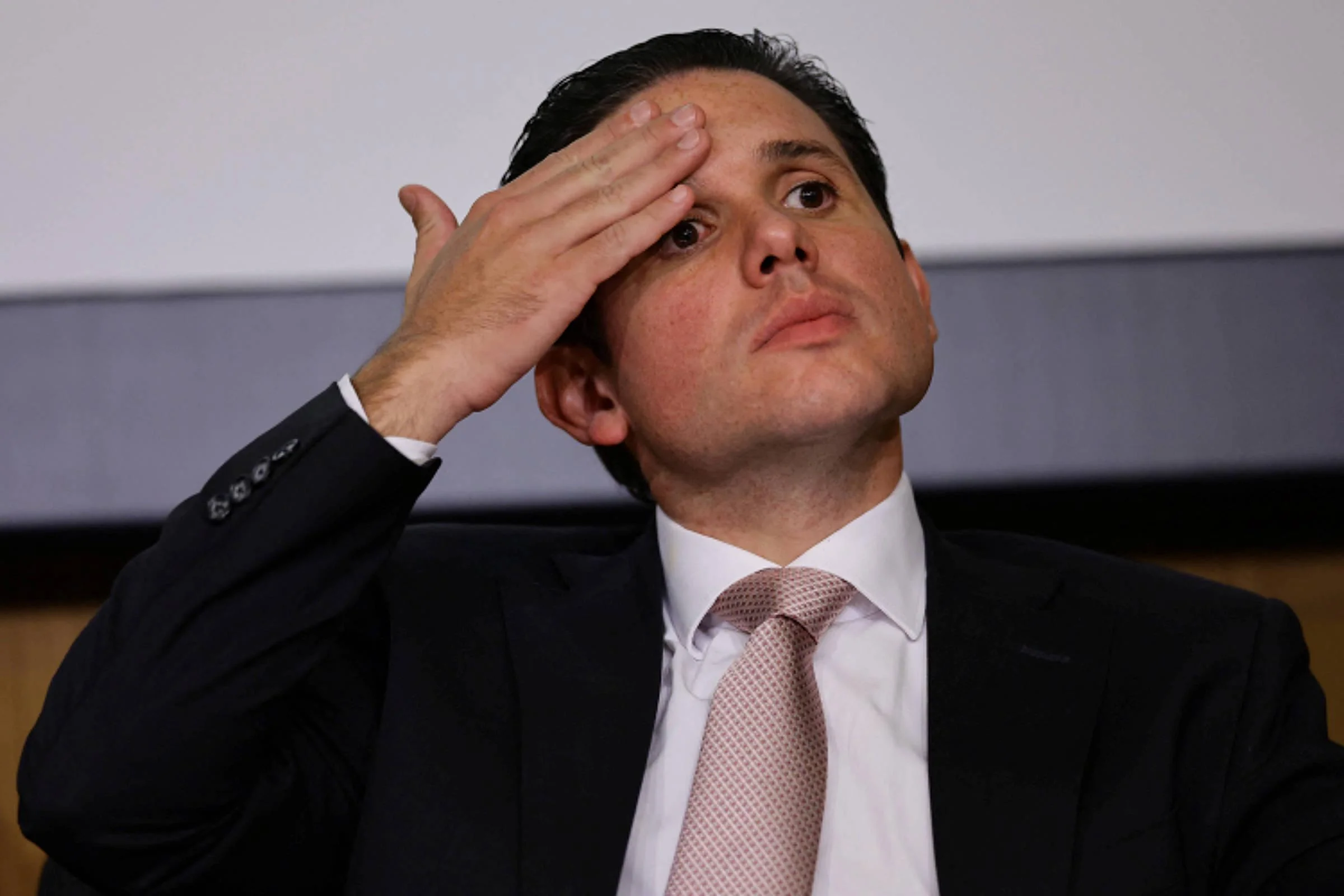

The Corruption Plague: Hugo Motta and the Rot at Brazil’s Heart
As the clock strikes 9:42 PM EDT on August 15, 2025, a troubling story emerges from Brazil that should alarm every citizen who values integrity in governance. Hugo Motta, the youthful yet controversial President of the Chamber of Deputies, stands accused of orchestrating a “rachadinha” scheme—a despicable practice where public servants are coerced into returning portions of their salaries to political masters. A recent report from a major Brazilian news outlet, published just yesterday, paints a grim picture: Motta allegedly empowered his cabinet chief with unchecked authority to siphon funds, exploiting the very employees meant to serve the public good. This is not just a scandal; it’s a symptom of a deeper rot that conservatives have long warned against—a government swollen with power, unaccountable to the people it claims to represent.
Motta, a 35-year-old politician from Paraíba with a family entrenched in the state’s political elite, ascended to his current role with an impressive 444 votes on February 1, 2025. His youth might have been seen as a breath of fresh air, but the allegations suggest otherwise. The “rachadinha” scheme, a term now synonymous with political extortion in Brazil, echoes the scandals that plagued former President Jair Bolsonaro’s administration. Leaked recordings and financial investigations from years past revealed millions in suspicious transactions, implicating Bolsonaro’s inner circle. Now, the same shadow falls over Motta, raising a chilling question: is corruption the inevitable price of political ambition in Brazil’s republican system?
Conservatives have long argued that centralized power breeds corruption, and this case is exhibit A. Motta’s alleged use of his cabinet chief to extract salaries mirrors a feudal lord extracting tribute from serfs—a far cry from the limited government envisioned by those who cherish individual liberty. The timing of these accusations, coinciding with a recent federal police operation targeting Motta’s family and his rise to Chamber leadership, suggests a pattern. Some speculate this is political theater under the current administration, yet it underscores a truth conservatives have shouted from the rooftops: when government grows too large, it becomes a playground for the unscrupulous.
The public outcry on social media platforms, where citizens decry Motta’s apparent untouchability, reflects a growing frustration with a system that seems designed to protect its own. Comments range from despair—“we’re screwed”—to calls for justice, drawing parallels to the fall of Eduardo Cunha, a former Chamber President brought down after a grueling investigation. Yet, the skepticism is palpable: many believe Motta, backed by influential allies, may evade accountability. This cynicism is fueled by a judiciary and legislature often accused of shielding corrupt politicians, a charge that resonates with conservative critiques of overreaching institutions.
What makes this scandal particularly galling is the familial dimension. Reports suggest Motta’s mother and aunt faced similar corruption allegations in Paraíba, reinforcing the old adage that “a rotten fruit doesn’t fall far from the tree.” For conservatives who value family as the bedrock of society, this is a betrayal—not just of public trust but of the moral legacy families are meant to uphold. It’s a stark reminder that political dynasties, when unchecked, can become self-serving empires.
Brazil’s history of corruption, from the sprawling Lava Jato investigation to the kickback schemes of major corporations, has earned it a dismal ranking on global transparency indices. Under the current administration, which some label as leaning toward socialism, the problem appears to persist, if not worsen. Conservatives argue that only a return to smaller government, stricter oversight, and a judiciary free from political influence can break this cycle. The “rachadinha” scandal is not just Motta’s burden; it’s a call to action for those who believe in a government that serves, not exploits, its people.
As this story unfolds, the eyes of Brazil—and the world—will be on Motta. Will he face the consequences that eluded others, or will he join the ranks of untouchable elites? For now, the conservative voice demands accountability, a cleansing of the political class, and a recommitment to the principles of limited government and personal responsibility. The fight against corruption is not just a political battle; it’s a moral crusade. Let’s hope Brazil’s leaders, and its people, rise to the occasion.