


The Erosion of Democracy: How Brazil’s Leftist Media and Academic Hegemony Threatens Freedom
By Hotspotnews
As of September 4, 2025, a troubling reality has been laid bare in Brazil, one that conservative voices have long warned about but is now starkly illustrated by a revealing set of data. A recent analysis, drawing from the 2020 “Perfil do Jornalista Brasileiro” study by UFSC, unveils a staggering 81% left-leaning bias among autodidacts, journalists, and university professors. This overwhelming ideological tilt is not merely a statistic—it is a clarion call to recognize the systematic dismantling of balanced representation in the nation’s media and academic institutions, a development with profound implications for Brazil’s democratic future.
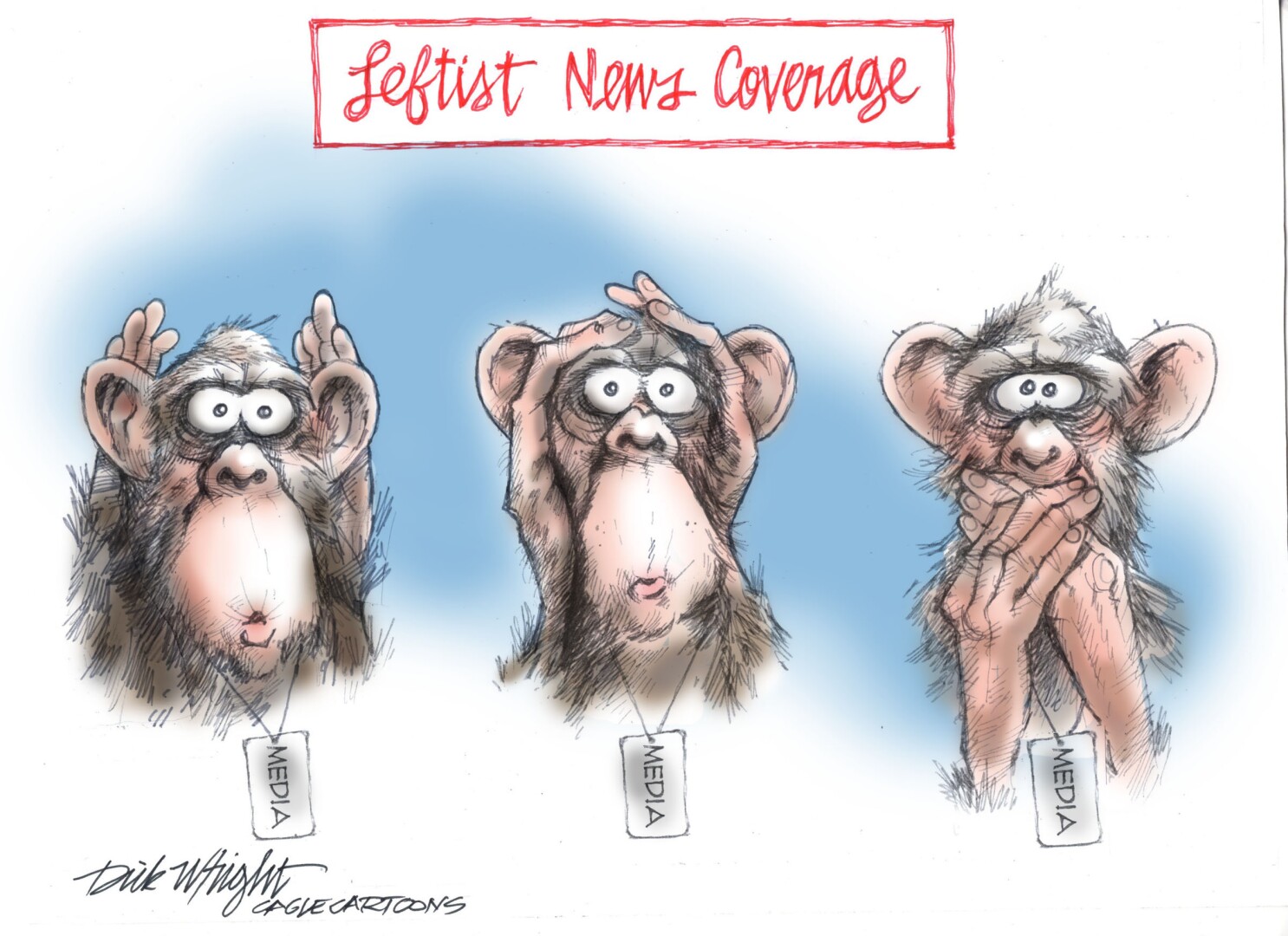
The importance of this revelation cannot be overstated. For decades, conservatives have argued that the so-called “fourth estate”—the media—and the intellectual elite have been co-opted by leftist ideologies, skewing public discourse and undermining the will of the majority. The pie charts tell a story of dominance: 81% of autodidacts, 70% of journalists, and a staggering 81% of university professors identify as left-leaning, with only a sliver—11% to 21%—acknowledging a center or right-wing perspective. This is not diversity of thought; it is a monolith, a deliberate engineering of narrative control that stifles dissent and marginalizes half the population’s values.
This imbalance traces its roots to historical maneuvers, such as the 1977 “Pacote de Abril” under General Ernesto Geisel, which restructured electoral representation to over-empower less populous northern and northeastern regions. While framed as a democratic adjustment, this shift has been preserved and exploited by leftist factions to ensure a congressional majority that does not reflect the nation’s broader demographic reality. The result? A system where minority interests—often aligned with socialist agendas—hold disproportionate sway, a fact compounded by the media’s refusal to challenge this status quo.
The post’s assertion that the Workers’ Party (PT) in the 1980s imposed a diploma requirement to filter journalism schools and cement editorial control may lack direct documentation, but it resonates with a pattern of institutional capture. Academia, long a breeding ground for progressive ideology, has produced generations of journalists who view their role not as truth-seekers but as agents of social change. This is evident in the classroom, where conservative ideas are often dismissed, and in newsrooms, where stories are framed to favor leftist narratives. The 2009 Supreme Court decision to eliminate the diploma requirement was a step toward breaking this stranglehold, yet the cultural inertia remains, perpetuating a media landscape disconnected from the average Brazilian.
Why does this matter? Because a free society depends on a free press and an open exchange of ideas. When 81% of those shaping public opinion lean left, the conservative voice—rooted in individual liberty, economic freedom, and traditional values—is silenced. This hegemony explains the unchecked power of a single Supreme Court justice to override a unanimous congressional decision, a scenario the original post likens to Iran’s theocratic oversight. It is a betrayal of the 150 million Brazilians who deserve representation, not manipulation.
The solution lies in reclaiming these institutions. Conservatives must demand transparency in media ownership, challenge the ideological monopoly in universities, and advocate for electoral reforms that restore proportional representation. The data is clear: the tragedy of Brazil is not just political but cultural, a slow erosion of democracy fueled by a leftist elite that has turned the tools of freedom into instruments of control. The time to act is now, before the voice of the people is lost forever.