


Supreme Court Justice Upholds Parliamentary Immunity, Slaps Down Politically Motivated Prosecution of Conservative Lawmaker
By Hotspotnews
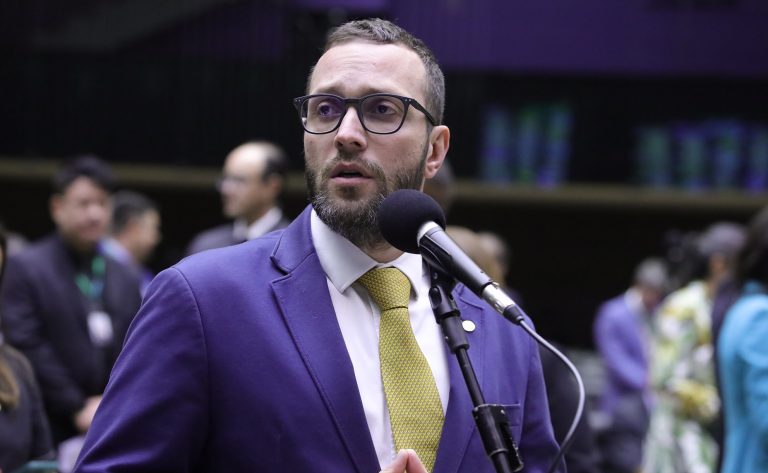
In a significant victory for democratic accountability and the rule of law, STF Minister André Mendonça has annulled a partisan legal attack against PL deputy Filipe Barros in Paraná. The case, which accused Barros of violating COVID-19 sanitary restrictions and offending a public prosecutor, was rightly tossed out on grounds of parliamentary immunity and the constitutional prerogative of function that protects elected officials from judicial harassment when carrying out their mandate.
Mendonça’s decision reinforces a core principle too often ignored by Brazil’s activist judiciary: lawmakers must be free to speak and act in defense of their constituents without fear of selective prosecution. The accusations stemmed directly from Barros’ official duties and public statements—precisely the kind of political expression that parliamentary immunity exists to shield. By recognizing this direct link, Mendonça has drawn a firm line against the weaponization of the courts to silence dissenting voices, particularly those on the right who challenged the heavy-handed pandemic policies pushed by left-leaning governments and health bureaucrats.
During the height of the COVID era, countless Brazilians watched as officials imposed lockdowns, mask mandates, and business closures with often questionable scientific backing and enormous economic and social costs. Conservative lawmakers like Filipe Barros had every right—and indeed a responsibility—to question these measures, highlight their failures, and push back against what many viewed as government overreach. Turning routine political criticism or alleged “offenses” into criminal cases has long been a favored tactic of those who prefer power over debate. Today’s ruling strikes a blow against that pattern.
Mendonça, appointed by former President Jair Bolsonaro, has once again demonstrated why originalist and conservative-leaning jurists matter on the high court. While much of the STF has earned a reputation for stretching the Constitution to favor progressive causes and target political opponents, this decision stands as a refreshing example of judicial restraint. It affirms that immunity is not a personal privilege but a safeguard for representative democracy itself—ensuring elected representatives can fulfill their roles without constant legal intimidation.
For supporters of limited government and free speech, this is welcome news. Brazil’s political class has endured years of lawfare, where courts have been used to sideline conservative figures and reshape the national debate. Protecting deputies like Filipe Barros from such tactics helps restore balance and reminds everyone that the people’s elected representatives answer first to voters, not to unelected judges or prosecutors with political axes to grind.
As Brazil continues to navigate its polarized landscape, decisions like this one serve as critical guardrails. They remind us that true justice demands consistency: the same immunities and protections applied across the aisle, not reserved for one political tribe. In upholding the Constitution’s plain text and intent, Minister Mendonça has delivered a win not just for Filipe Barros, but for democratic legitimacy itself.