


Lula’s St. George Ribbon at Victory Day: A Conservative Perspective on U.S.-Brazil Relations
By Hotspotorlando News
 **
**
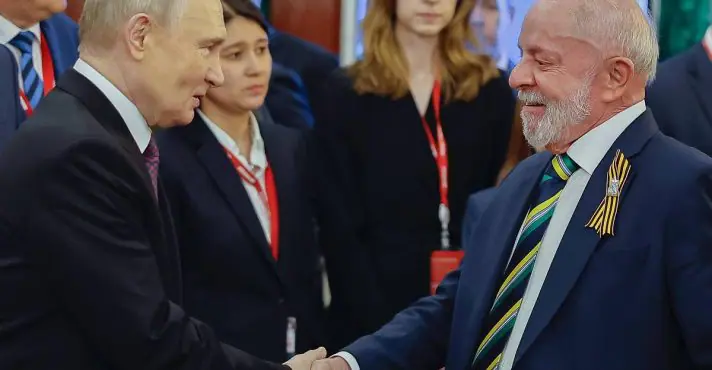
On May 9, 2025, Brazilian President Luiz Inácio Lula da Silva attended Russia’s Victory Day celebrations in Moscow, marking the 80th anniversary of the Soviet victory in World War II. During the event, Lula was seen wearing the St. George ribbon, a symbol historically tied to Russian military valor but now widely associated with Russian nationalism and support for the Kremlin’s actions in Ukraine. This gesture, whether intentional or diplomatic, has sparked significant backlash, particularly among conservative circles in the United States, and raises questions about its impact on U.S.-Brazil relations. From a conservative viewpoint, Lula’s actions signal a troubling alignment with an adversarial regime, undermining shared democratic values and complicating bilateral ties at a time when U.S. foreign policy is shifting under a new administration.
The St. George Ribbon: A Symbol of Contention
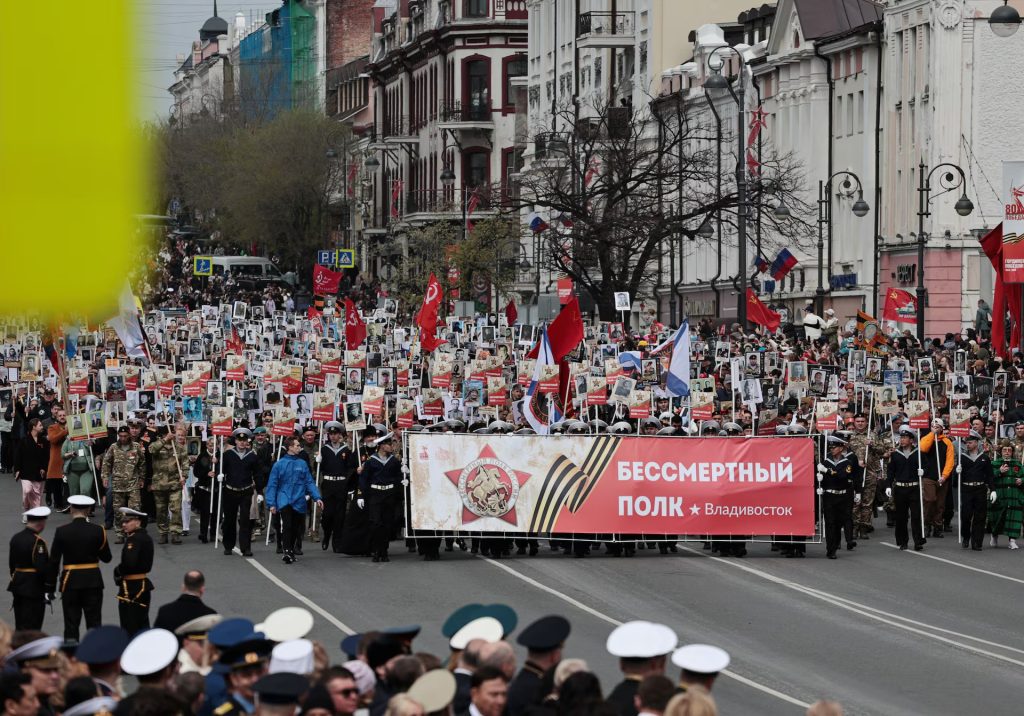
The St. George ribbon, with its distinctive orange and black stripes, was once a proud emblem of Soviet sacrifices in World War II. However, since Russia’s 2014 annexation of Crimea and the 2022 invasion of Ukraine, it has been co-opted by the Kremlin as a propaganda tool, symbolizing support for Russian expansionism and militarism. Its display by pro-Russian separatists in Ukraine and its designation as an official symbol of “military glory” in Russia (with legal protections against desecration) have made it a lightning rod for controversy. For many in the West, including U.S. conservatives, wearing the ribbon is tantamount to endorsing Vladimir Putin’s authoritarian regime and its aggression against a sovereign nation.
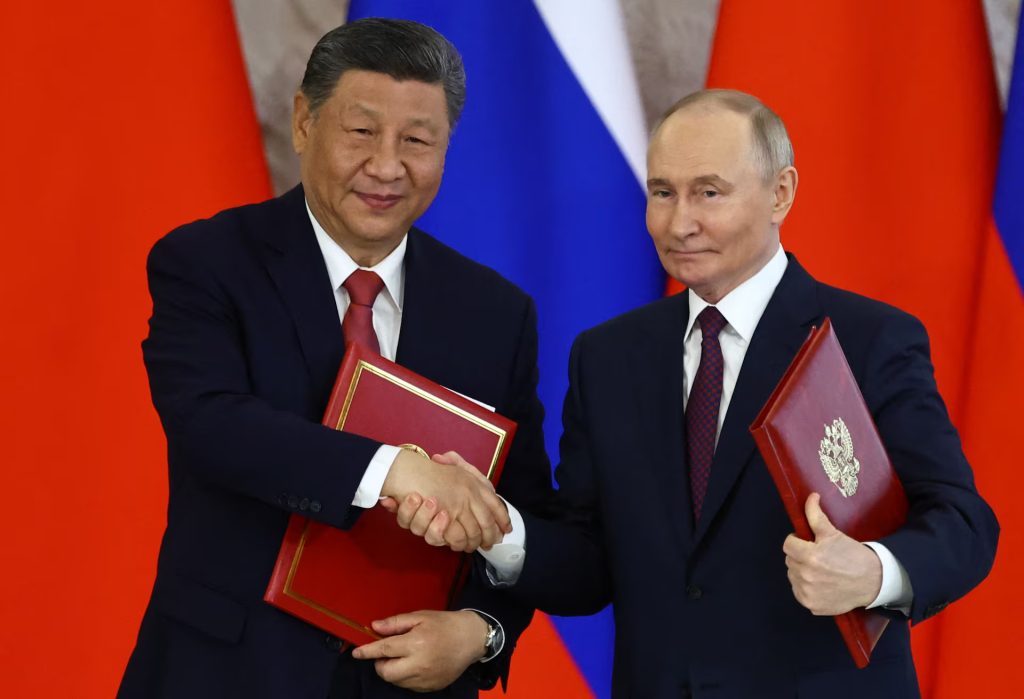
 Lula’s decision to wear the ribbon during the Victory Day parade—alongside leaders like China’s Xi Jinping, who also donned it—has been interpreted by conservative commentators as a provocative act. Social media platforms like X have amplified this sentiment, with posts labeling Lula’s gesture as “shameful” and accusing him of aligning with Russian imperialism (@btczerocool, @Myklukha, May 8-9, 2025). For conservatives, who often view Russia as a geopolitical adversary and a threat to Western democratic ideals, Lula’s appearance in Moscow wearing this symbol is a diplomatic misstep that risks legitimizing Putin’s narrative of global influence.
Conservative Critique: Lula’s Neutrality as Moral Equivocation
From a conservative perspective, Lula’s broader foreign policy—marked by Brazil’s nonaligned stance on the Russia-Ukraine conflict—reflects a troubling moral equivocation. Since taking office in 2023, Lula has advocated for peace talks to end the war, refusing to join Western sanctions against Russia or supply arms to Ukraine. His comments, such as suggesting Ukraine shares responsibility for the conflict or that Crimea could be ceded for peace, have drawn sharp rebukes from U.S. and European officials, who accuse him of parroting Russian propaganda (BBC, April 17, 2023). Conservatives see this as not just diplomatic hedging but a failure to stand against authoritarian aggression, a stance at odds with the U.S.’s commitment to supporting Ukraine against Russia’s violation of international law.
Lula’s presence at Victory Day, coupled with the St. George ribbon, amplifies these concerns. Conservatives argue that attending a Kremlin-orchestrated event celebrating Russian military pride, while wearing a symbol tied to the Ukraine invasion, sends a message of tacit approval. This is particularly galling given Brazil’s economic ties to Russia, particularly its reliance on Russian fertilizers for its agribusiness sector, which accounts for 25% of Brazil’s GDP (Al Jazeera, June 4, 2023). To conservative critics, Lula’s actions prioritize economic pragmatism over principle, undermining the global fight against autocracy and weakening Brazil’s credibility as a democratic partner.





Impact on U.S.-Brazil Relations
U.S.-Brazil relations have been a complex balancing act, marked by cooperation on issues like trade and climate but strained by differing views on global conflicts. Lula’s visit to Moscow and his wearing of the St. George ribbon risk exacerbating these tensions, particularly under a U.S. administration with a strong conservative bent, such as the second Trump administration that began in 2025. Here’s how conservatives see this affecting bilateral ties:
1. Erosion of Trust in Brazil as a Democratic Ally: Conservatives view Lula’s gesture as a betrayal of shared democratic values. The U.S. has long seen Brazil as a key partner in the Western Hemisphere, especially after the pro-American stance of Lula’s predecessor, Jair Bolsonaro, who aligned closely with Trump. Lula’s engagement with Putin, especially in a symbolically charged context, raises doubts about Brazil’s reliability as a counterweight to Russian and Chinese influence in Latin America. This is particularly concerning given past U.S. criticisms of Latin American countries for cozying up to Moscow (Foreign Policy, February 28, 2025).
2. Complication of Geopolitical Strategy: The U.S., under conservative leadership, prioritizes countering Russia and China in a multipolar world. Lula’s neutral stance and symbolic alignment with Russia complicate this strategy. Conservatives argue that Brazil’s refusal to sanction Russia or arm Ukraine, combined with high-profile gestures like the St. George ribbon, emboldens Putin by showcasing international tolerance for his regime. This could push the U.S. to reassess its strategic engagement with Brazil, potentially reducing diplomatic or economic concessions in areas like trade or environmental cooperation (CSIS, April 18, 2023).
3. Domestic Political Fallout in the U.S.: Conservative media and politicians are likely to seize on Lula’s actions to critique both Brazil and domestic opponents. Outlets like Fox News and figures like Tucker Carlson, who have paradoxically expressed admiration for Putin’s strongman tactics while criticizing U.S. involvement in Ukraine, may use Lula’s gesture to argue that global leaders are aligning against American interests (NPR, February 13, 2024). This could fuel a narrative of U.S. isolation, pressuring the administration to take a harder line against Brazil to appease its base.
4. Economic and Trade Implications: Brazil’s economic ties with Russia, particularly in fertilizers, are a sticking point. Conservatives, who often champion free markets but are wary of reliance on adversarial nations, may push for policies to reduce U.S. agricultural dependence on Brazil if it continues to deepen ties with Russia. This could lead to trade disputes or efforts to diversify supply chains, impacting Brazil’s $70 billion agricultural export market to the U.S. (Foreign Policy, May 18, 2023).
Conservative Path Forward: Reasserting U.S. Influence
Conservatives advocate a robust response to restore U.S.-Brazil relations on terms aligned with American interests. This includes:
– Diplomatic Pressure: The U.S. should privately and publicly urge Brazil to clarify its stance on Russia and distance itself from symbols like the St. George ribbon. High-level talks could emphasize that Brazil’s neutrality risks alienating Western allies, potentially isolating it in global forums like the G20.
– Economic Leverage: Conservatives may push for incentives or penalties to encourage Brazil to align with Western sanctions against Russia. For example, offering trade concessions in exchange for reduced reliance on Russian fertilizers could align Brazil’s economic interests with U.S. geopolitical goals.
– Strengthening Regional Alliances: To counterbalance Brazil’s drift, conservatives advocate bolstering ties with pro-Western Latin American nations like Argentina under Javier Milei, who has shifted away from supporting Ukraine but aligns with U.S. conservative values (Foreign Policy, February 28, 2025). This could pressure Brazil to reconsider its nonaligned stance.
– Public Diplomacy: Conservatives emphasize the need for the U.S. to counter Russian influence in Latin America through cultural and informational campaigns, highlighting the dangers of authoritarianism and symbols like the St. George ribbon. This could appeal to Brazil’s democratic public, which remains skeptical of Lula’s foreign policy (X posts, May 8-9, 2025).
Critical Reflection: Beyond the Conservative Lens
While conservatives view Lula’s actions as a dangerous flirtation with autocracy, a broader perspective suggests nuance. Lula’s wearing of the St. George ribbon may have been a diplomatic courtesy during Victory Day, not an endorsement of Russia’s war. Brazil’s nonalignment reflects a long-standing foreign policy of hedging bets in a multipolar world, driven by economic necessities like fertilizer imports and a desire to assert autonomy from U.S. influence (Foreign Policy, May 18, 2023). Critics of the conservative stance argue that demonizing Lula risks pushing Brazil closer to China and Russia, as seen in Lula’s enthusiastic BRICS engagement (CSIS, April 18, 2023). A heavy-handed U.S. response could also alienate the Global South, where many nations share Brazil’s reluctance to fully align with the West.
Lula’s wearing of the St. George ribbon at Russia’s Victory Day has ignited conservative outrage in the U.S., framing it as a symbolic alignment with Putin’s regime. From this perspective, it undermines Brazil’s role as a democratic partner, complicates U.S. efforts to counter Russia, and risks economic and diplomatic repercussions. Conservatives call for a firm U.S. response to reassert influence over Brazil, but they must balance this with the risk of alienating a key regional player. As U.S.-Brazil relations navigate this tense moment, Lula’s actions serve as a reminder of the delicate interplay between symbolism, geopolitics, and national interests in a divided world.
Source: Foreigh Policy, X, AP, Reuters