


America First Means No Foreign Censorship of Americans
By Hotspotnews
In 2024 the United States sent Brazil roughly $60 million in foreign aid. That money came from American workers and families. It was an act of generosity. Brazil’s response has been to threaten American platforms and American citizens.
Brazilian authorities have used “disinformation” as a pretext to demand that U.S. companies take down posts they dislike, even when those posts sit on American servers and are written by people living under the First Amendment. They have issued secret orders, imposed massive fines, frozen assets, and tried to force platforms to silence speech that would be fully protected here at home.
This is not partnership. It is extraterritorial censorship. A foreign court does not get to decide what an American may say on an American website. The Constitution does not stop at the water’s edge just because another country finds the speech inconvenient.
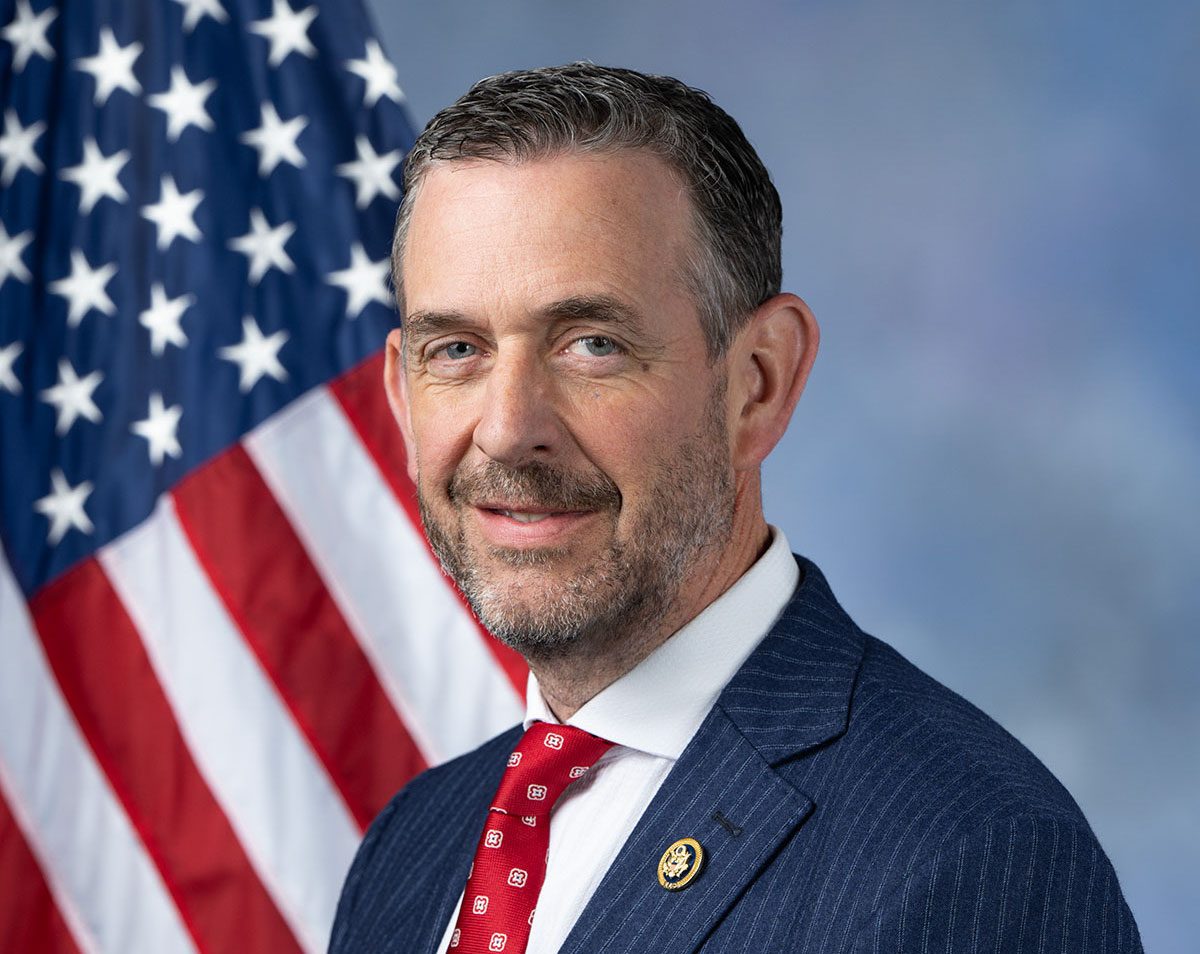
Rep. Michael Rulli of Ohio has introduced the GRANITE Act — the Guaranteeing Rights Against Novel International Tyranny and Extortion Act — to stop this practice. The bill would bar U.S. courts from recognizing or enforcing foreign censorship judgments, fines, or demands that violate American free-speech protections. It would also give targeted Americans a clear path to seek a court declaration that those foreign orders are unenforceable.
That is the correct response. American taxpayers should not subsidize governments that then turn around and try to police American speech. Foreign aid is a privilege, not an entitlement. When a recipient uses its power to attack the very rights Americans hold most dear, Congress has a duty to protect those rights first.
The GRANITE Act draws a bright line: speech protected in the United States stays protected, no matter who is issuing the order from abroad. That principle is not optional. It is the foundation of the country that sent the aid in the first place.
The GRANITE Act (H.R. 10174) is still at the first stage. It was introduced on August 27, 2026, and referred to the House Judiciary Committee. No hearings, markup, or further action have occurred yet. (congress.gov)
To move forward it needs these steps:
• The House Judiciary Committee must take it up. The chair decides whether to hold hearings, then a markup session where members can amend it and vote to report it out of committee. Most bills die here if the chair does not schedule them.
• After leaving committee it goes to the House floor. It typically needs a rule from the House Rules Committee setting debate terms, then a majority vote to pass.
• The Senate must then pass the same bill (or a companion version). That means Senate committee work, floor debate, and a vote. Differences between House and Senate versions would go to a conference committee.
• The president must sign it (or Congress must override a veto).
In practice it also needs more cosponsors, priority from House leadership, and enough political support to survive committee and floor votes. Some coverage has noted interest from the administration, which could help if the White House pushes it, but that has not translated into formal action so far. The 119th Congress still has time, but many introduced bills never leave committee.
The Brazil cases against X, then Rumble and Trump Media, illustrate the exact problem the GRANITE Act targets.
In 2024, Brazilian Supreme Court Justice Alexandre de Moraes led orders that led to X being blocked in Brazil after it refused certain takedown and compliance demands. In February 2025, Rumble and Trump Media (Truth Social’s parent) sued Moraes in federal court in Florida. They sought a declaration that his gag and account-suspension orders—aimed at U.S.-based accounts and speech—are unenforceable in the United States. (Reuters.com)
The case has moved slowly. Service was difficult; the court later allowed email service. Moraes did not respond personally. In June 2026 Brazil intervened, arguing sovereign immunity and that a U.S. court should not review its judge’s official acts. The Florida judge allowed Brazil to join and deferred a decision on dismissal. (courtlistener.com )
These disputes show foreign courts issuing orders that reach U.S. platforms, U.S. servers, and speech that would be protected under the First Amendment. They also show the practical questions that follow: Will U.S. courts recognize or help enforce those orders? Can American companies get a clear ruling that the orders have no force here?
The GRANITE Act would answer those questions by statute. It would bar U.S. courts from recognizing or enforcing foreign censorship judgments, fines, or demands that conflict with First Amendment protections, and it would give targeted U.S. persons a path to seek a declaration that such measures are unenforceable.
Whether that makes the bill a legislative priority is a political judgment. The cases supply a concrete, ongoing example of the conflict the bill is written to address, which supporters can use to argue for committee hearings and faster consideration. Opponents can still argue that existing law, diplomacy, or case-by-case litigation is sufficient. The litigation itself does not change the bill’s current status: it remains in the House Judiciary Committee with no further action taken.
#AmericaFirst #FreeSpeech #GRANITEAct #NoForeignCensorship
Source: Rep. Michael Rulli (R-OH)