

Behind Closed Doors: How a Brasília Meeting Deepens Distrust in Brazil’s Power Elite
By Hotspotnews
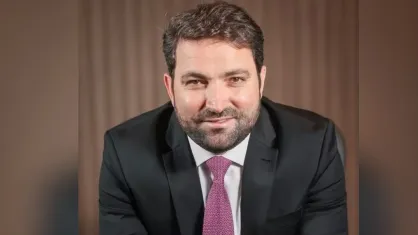
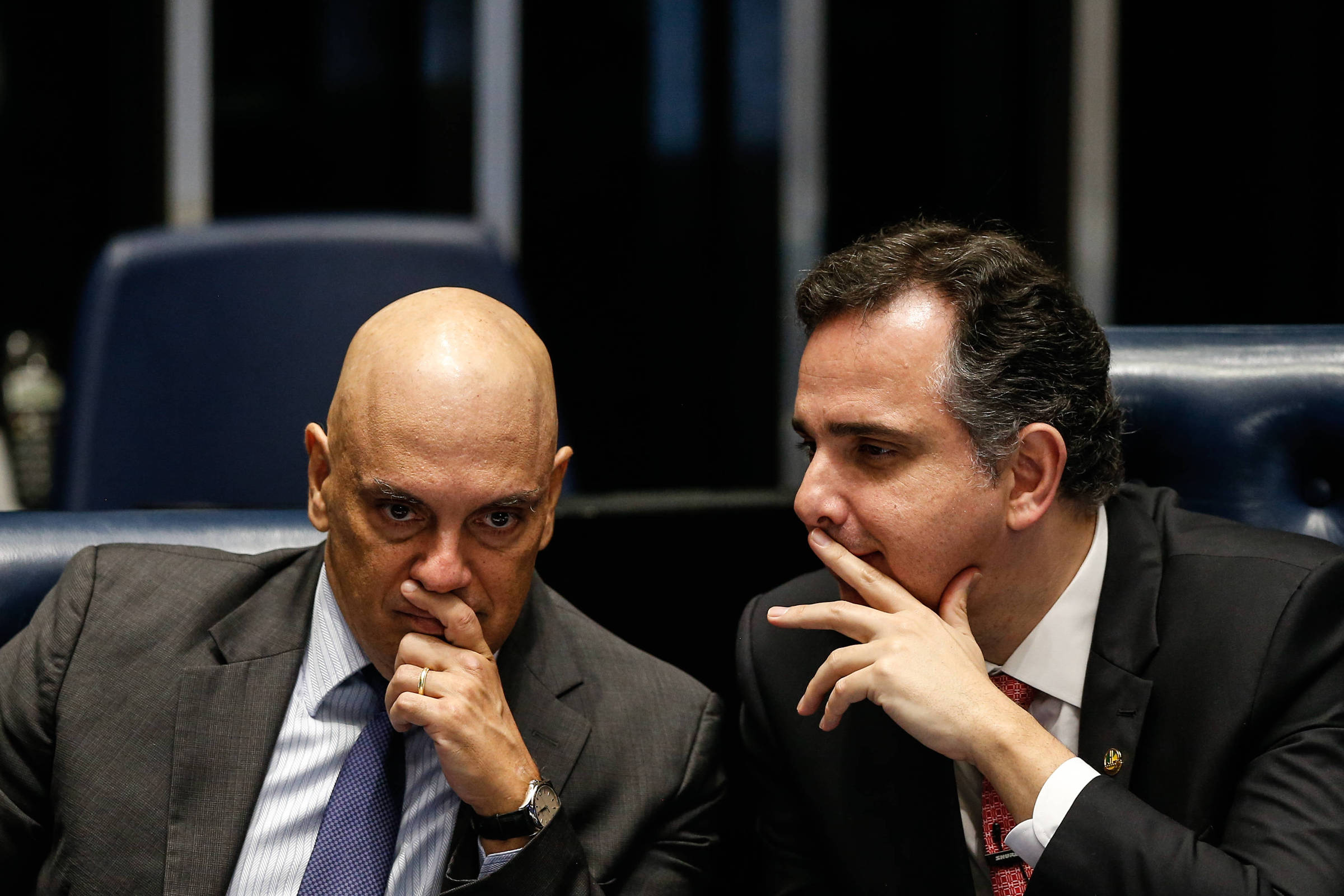
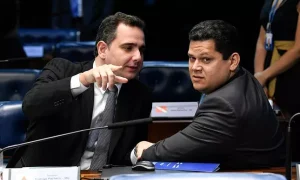
Days before one of the tightest presidential runoffs in recent Brazilian history, a private gathering at the residence of Tribunal de Contas da União minister Rodrigo Pacheco brought together some of the country’s most powerful figures. Senate President Davi Alcolumbre, Chamber of Deputies President Hugo Motta, Supreme Federal Court Justice Alexandre de Moraes, and Superior Tribunal de Justiça President Luis Felipe Salomão joined Pacheco to discuss political scenarios and, according to multiple reports, the viability of nominating Pacheco himself to an open seat on the Supreme Court—regardless of whether Luiz Inácio Lula da Silva or Flávio Bolsonaro wins on October 25.
What critics quickly labeled a “reunião da bandidagem” is better understood as a symptom of a deeper problem: the routine blurring of lines between Brazil’s branches of power at a moment of acute institutional tension. Alcolumbre reportedly expressed confidence that the current Senate composition could approve Pacheco’s nomination with ease, a claim rooted in the former Senate president’s broad relationships across the chamber. The same conversation touched on electoral dynamics, including the possibility that Lula could still mobilize turnout to overcome a narrow deficit in the polls. These are not abstract policy talks; they involve a sitting justice, the heads of both houses of Congress, and a former Senate leader now at the TCU positioning himself for the highest court.

This is not an isolated episode. Brazilian political culture has long featured informal coordination among the “centrão,” the judiciary, and the executive. What has changed is the context. A more assertive right-leaning Congress is preparing to take office, with a significant number of senators publicly committed to accountability measures, including possible impeachment proceedings against justices. In that environment, a meeting that treats an STF vacancy as a matter to be settled among current power holders—independent of the election outcome—reads to many as institutional self-protection rather than neutral administration. The fact that Alcolumbre has previously worked to map political risks for the court only sharpens the perception.
Public trust in the Supreme Court and in elite decision-making has already eroded for substantial segments of the population. When high-level figures gather privately days before a runoff to discuss both the election and the filling of the court’s vacancies, they reinforce the view that key institutional outcomes are negotiated in closed rooms rather than subjected to transparent processes and public scrutiny. The participants can argue that political coordination is normal and that continuity of the court is in the national interest. That argument, however, carries less weight when the same circle includes a justice facing documented questions about financial ties to a figure at the center of a multibillion-real scandal, and when the meeting’s practical effect is to treat a Supreme Court seat as an item of bargaining among current officeholders.
Brazil’s institutions will survive the current election. Whether they retain broad legitimacy depends in part on whether the public continues to see decisions about the Supreme Court as the product of open processes rather than private arrangements among the powerful. The gathering at Pacheco’s residence offered little reassurance on that score.
#BrazilPolitics #STF #AlexandreDeMoraes #RodrigoPacheco #Eleicoes2026 #Accountability #SeparationOfPowers
Sources: O Globo (Malu Gaspar column reporting on the meeting and Alcolumbre’s statements); Reuters and The Economist coverage of the Banco Master investigation and related questions involving Moraes; contemporaneous polling data on the Lula–Flávio Bolsonaro runoff; reporting on congressional composition and impeachment discussions following the first round.