


First-Order Steps for a Functional Senate Majority After the 2026 Brazilian Elections
By Hotspotnews
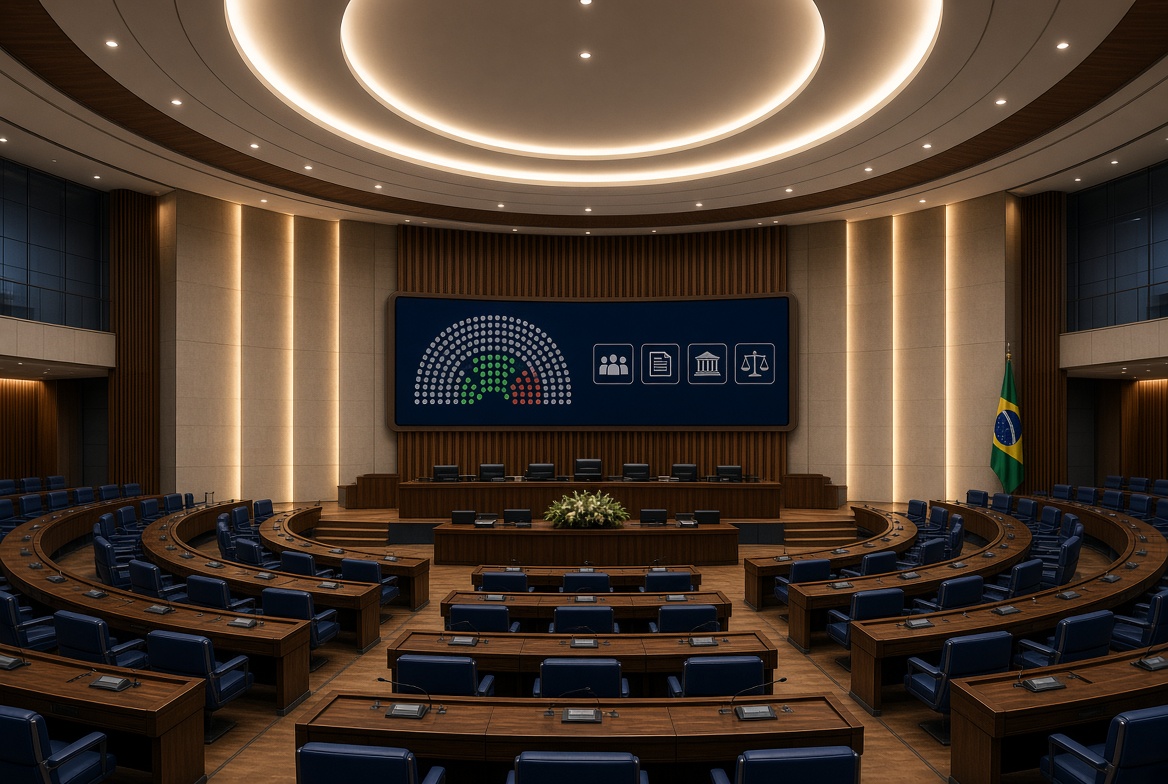
The new Brazilian Senate takes office on 1 February 2027 with a sharply altered balance. The Liberal Party is projected to hold 28 of 81 seats, the largest single-party bloc since the 1988 Constitution, while the Workers’ Party is expected to hold nine and the MDB eight. With more than one-third of the chamber, the largest bloc can initiate certain procedures without formal partners, but converting seat totals into durable institutional control still requires sequenced internal decisions.
The first action is the election of the Senate president and the directing board at the opening session. An absolute majority of the full membership is required. The size of the largest bloc makes it the necessary negotiating partner for any candidate, yet cross-party agreements remain relevant because no single party reaches 41 votes on its own. Control of the presidency determines the order of business, the referral of bills and requests, and the timetable for committee formation.
The second action is the formal organization of standing committees and the distribution of seats according to party size. Larger representation automatically increases the number of slots the leading bloc receives on the jConstitution and Justice Committee and other gatekeeping bodies. Early agreement on committee chairs and rapporteurs sets the pace at which proposals reach the floor.
The third action is the filing of any parliamentary inquiry requests that meet the one-third signature threshold. Twenty-seven signatures suffice to request a Comissão Parlamentar de Inquérito; a 28-member bloc can therefore meet the numerical requirement internally. The request must still specify a concrete fact of public interest and receive the procedural acceptance required by Senate rules before the inquiry is installed and given a deadline.
A fourth, distinct action concerns any complaint seeking the impeachment of a Supreme Court justice. That process follows its own track: a formal accusation is examined, a special committee reports, and removal ultimately requires a two-thirds vote of the full Senate (54 members). Seat totals affect the ability to gather support and schedule debate, but they do not change the constitutional majority needed for conviction.
These steps—leadership election, committee allocation, inquiry requests that clear the signature bar, and any separate impeachment filings—are the immediate procedural moves available once the new legislature begins. Their outcome depends on internal discipline, negotiations with smaller parties, and adherence to existing Senate and constitutional rules rather than on seat counts alone.
#Senado2027 #PL28 #CPI #ImpeachmentSTF #Eleicoes2026 #CongressoNacional
Sources: Agência Senado reporting on the 54 senators elected 4 October 2026 and the February 2027 start of mandates; Valor Econômico and CNN Brasil compilations of projected party strengths (PL 28, PT 9, MDB 8); Senate rules on the one-third signature requirement for a Comissão Parlamentar de Inquérito and the two-thirds vote required for removal of a Supreme Court justice.