

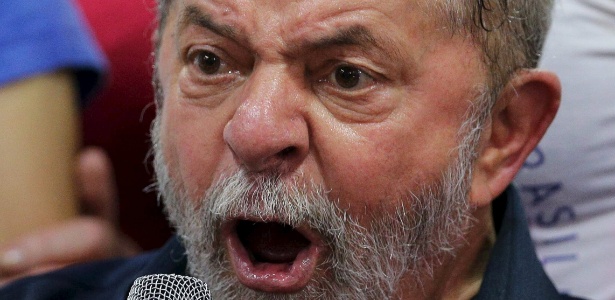

Brazil’s Dangerous Path: Why Another Lula Term Would Be a National Mistake
By Hotspotnews
Brazil stands at a critical crossroads this October. President Luiz Inácio Lula da Silva is seeking yet another term in office, and the choice before the country is stark. This is not a routine election. It is a test of whether Brazil will continue down a path of short-term populism, institutional erosion, and risky geopolitical alignment — or whether enough voters will reject the politics of dependency and demand something better.
Lula does not deserve another presidency. His governments have specialized in trading cash transfers for electoral loyalty. Social programs that put money in people’s pockets are popular for a reason, but when they become the primary engine of political support, democracy suffers. The average Brazilian voter who prioritizes an immediate food basket or monthly stipend over fiscal sustainability, institutional integrity, and long-term growth is not making a free choice in the fullest sense. That voter is responding to incentives carefully engineered by the state. Informed, politically aware citizens — readers, professionals, and those who follow the numbers — understand the trade-off. Too many others do not.
The results are predictable. Brazil remains trapped in a cycle of high public spending, chronic deficits, and underwhelming private investment. Growth comes in fits and starts, while the state expands its reach. Critics who point this out are dismissed as elitists. Yet the data is clear: economies that reward productive work and protect institutions outperform those that prioritize permanent dependency.
Even more concerning is the foreign policy direction. Under Lula, Brazil has deepened ties with Russia and China inside the BRICS framework while maintaining a studied distance from the United States and traditional Western partners. The current diplomatic clash with the Trump administration — tariffs, the delayed approval of the American ambassador, and mutual public recriminations — is not an accident. It is the logical outcome of a government that treats the United States as a convenient antagonist rather than a strategic partner. Aligning Brazil more closely with authoritarian regimes that share little of its democratic tradition raises the country’s risk profile. Investors notice. Markets notice. And ordinary Brazilians will eventually feel the consequences in higher borrowing costs and reduced opportunity.
Comparisons to Russia are imperfect but not baseless. Both countries have seen the state grow more assertive, opposition voices marginalized, and foreign policy oriented toward multipolar confrontation with the West. Brazil still has competitive elections and a lively press — advantages that must not be taken for granted. Another Lula term risks further normalizing the idea that power is best concentrated, that criticism is destabilizing, and that dependence on social programs is a permanent political strategy.
This election will be decided largely by turnout and by the weight of voters who respond most strongly to immediate material benefits. That is the structural reality of Brazilian democracy. It does not make the outcome inevitable. Informed citizens still have a duty to speak clearly: Lula’s model has been tried repeatedly. The costs — fiscal, institutional, and geopolitical — continue to mount. Brazil cannot afford to keep paying them.
A country of Brazil’s size and potential should not accept managed mediocrity as its destiny. The October vote is a chance to demand better. The question is whether enough Brazilians will see it that way before the price of another term becomes irreversible.