


Brazil’s Electoral Censorship Machine Meets Elon Musk’s Spotlight

By Hotspotnews
In the run-up to Brazil’s 2026 presidential election, the country’s electoral authorities have once again demonstrated their preference for control over open debate. Brazil’s Superior Electoral Court has ordered X to install a filter that systematically excludes certain accounts from the platform’s “For You” algorithmic recommendations. Users who do not already follow those accounts will no longer see their posts in the main discovery feed. The platform complied with the legal demand. Then it did something the censors never wanted: it made the entire mechanism public by releasing the relevant code.
What the Brazilian state tried to accomplish quietly—suppressing the organic reach of designated voices during an election season—is now visible to any developer, journalist, or citizen who bothers to look. That is the real story. Not mere technical compliance, but transparency forced upon a government that prefers its speech restrictions to operate in the dark.
This is not an abstract free-speech lecture. Brazil has spent years expanding judicial power over online speech under the banner of fighting “disinformation” and protecting democracy. The same institutions that once ordered the temporary nationwide blocking of X, froze assets, and pursued high-profile critics have now embedded a quieter form of algorithmic demotion into the country’s most important public square. Official candidate and campaign accounts are affected under electoral rules that limit how recommendation systems may amplify them. In practice, the effect is the same: reduced visibility for political speech at the precise moment when voters most need information.
Conservative observers have long warned that left-leaning governments and activist courts treat free expression as a privilege to be managed rather than a right to be protected. Brazil under President Lula and the expansive jurisprudence of figures such as Supreme Court Justice Alexandre de Moraes provides a textbook case. Speech that challenges the ruling consensus is scrutinized, constrained, or quietly throttled. Speech that supports it faces fewer obstacles. The new filter continues that pattern by design, even if it is dressed up as neutral election administration.
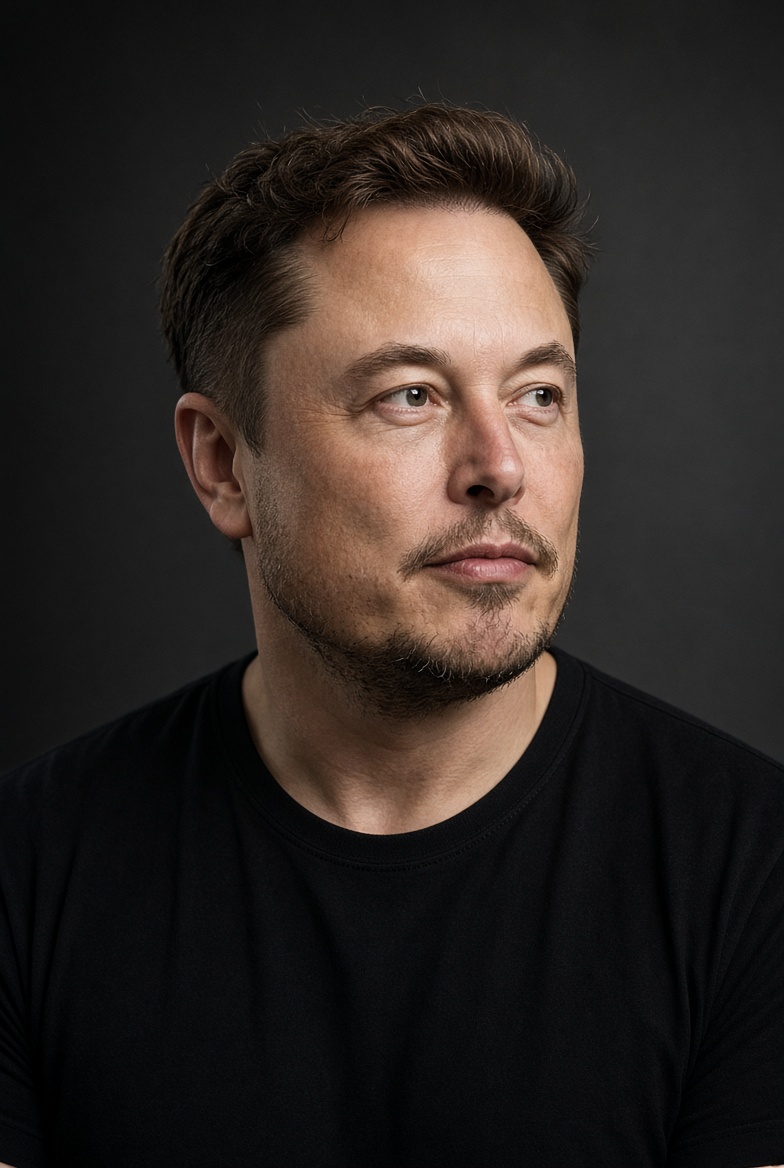
Elon Musk’s decision to open-source the recommendation code changes the dynamic. Secret blacklists and hidden demotion rules thrive in opacity. Once the code is public, the list of affected accounts, the logic of the exclusion, and the government’s fingerprints become impossible to deny. What was meant to be an invisible administrative act is now a documented example of state-directed speech management. Musk did not invent the Brazilian order; he simply refused to let it remain invisible.
The stakes extend beyond one platform or one country. Algorithmic recommendation systems are the modern public square. When governments claim the power to decide which political voices may appear in those systems—and when they do so under the cover of election rules—they are not protecting democracy. They are managing it. Voters lose the chance to encounter arguments organically. Opposition voices must rely on already-converted followers rather than broader discovery. Incumbent power benefits from a tilted information environment.
Defenders of the measure will insist it is limited, temporary, and required by law. Limited and temporary restrictions have a habit of expanding once the principle is conceded. Law is not a moral blank check; unjust or overreaching laws still deserve scrutiny. A healthy democracy does not require algorithmic gag rules to survive an election. It requires the opposite: maximum exposure of competing ideas so that citizens can judge them.
By complying with the order while exposing its inner workings, X has performed a public service. The Brazilian authorities wanted quiet suppression. They received public illumination instead. That contrast—between a government that prefers speech controls to operate unseen and a platform that insists on transparency—is the clearest statement of the moment. Free societies should take note. When the state reaches into the code that shapes public discourse, the least we should demand is that the reach be fully visible.