


Brazil’s National Disgrace: The STF’s Impunity, the CPI’s Burial, and the Agonizing Collapse of a Republic
By Hotspotnews | April 14, 2026
Today, Brazil woke up to yet another humiliating chapter in its endless institutional farce. The Senate’s CPI on Organized Crime — a committee supposedly created to hunt down militias, PCC bosses, and the true criminals devouring the nation — voted 6-4 to reject its own final report. The document, authored by Senator Alessandro Vieira, dared to propose the indictment of Supreme Court justices Gilmar Mendes, Dias Toffoli, and Alexandre de Moraes, along with Prosecutor General Paulo Gonet, for alleged crimes of responsibility tied to the Banco Master scandal.
Suspicious rulings. Blocked investigations. Private jets. Conflicts of interest that would shame any serious democracy. The report laid it out plainly. And the system’s response? Immediate, surgical, and shameless. The Lula government, working hand-in-glove with Senate President Davi Alcolumbre, pulled the classic Brazilian maneuver: swap senators at the last minute, flood the commission with loyalists, and kill the threat before it could even breathe. The “system” protected its own once again.
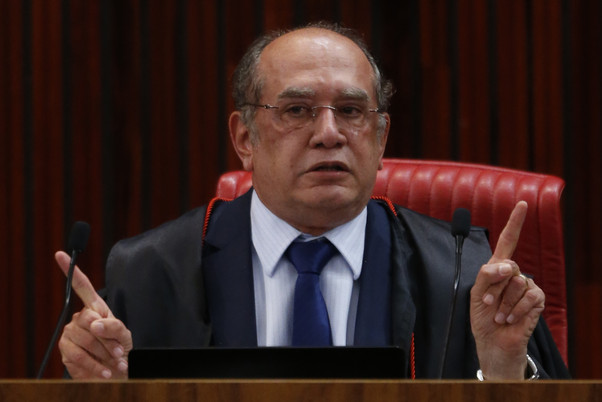
And Gilmar Mendes? The dean of the Supreme Court didn’t even bother pretending humility. In open session of the Second Panel, he sneered that the report was a “tacky proposal,” a “historical error,” and the kind of legal illiteracy not even a third-semester law student would produce. He accused the CPI of forgetting real criminals to chase “panfletária” headlines against the Judiciary. Translation: How dare you peasants investigate us? We are untouchable. We will analyze your abuses instead.
This is not governance. This is judicial aristocracy in full display — ministers appointed for life, accountable to no voter, shielded by colleagues, and now openly daring the Legislative branch to even look in their direction. The separation of powers, that sacred principle every Brazilian schoolchild is taught to revere, has been reduced to a punchline. One power investigates? The other power simply declares the investigation itself abusive and threatens retaliation.
What we are witnessing is the agonizing political scenario that has defined Brazil for more than a decade: a captured republic where the elites — judicial, political, and economic — form a protective pact. The same STF that lectures the country about democracy spends its days issuing monocratic decisions that override Congress, the President, and the Constitution itself when convenient. The same Senate that should be the house of sober second thought has become a rubber stamp for whoever holds the planalto or the toga. And the Brazilian people? Left watching in rage and impotence as scandals that would topple governments in any functional democracy are buried under procedural tricks and arrogant speeches.
The shame is not just today’s vote. The shame is the pattern: Lava Jato dismantled, Car Wash heroes persecuted, mensalão forgotten, and now even the Banco Master connections swept under the rug. Every time accountability nears the summit of power, the machinery activates — leaks, delays, substitutions, threats, and finally silence. Meanwhile, the real organized crime the CPI was meant to fight — the militias in Rio, the narco-states in the North, the corruption that bleeds public coffers — continues untouched. The elites protect elites. The people pay the bill.
So when is this going to end?
The honest conservative answer is painful: not anytime soon. Not while Supreme Court ministers enjoy lifetime tenure with no realistic impeachment mechanism. Not while the Constitution of 1988 — written in the euphoria of redemocratization — grants the STF powers that would make even activist American judges blush. Not while voters keep electing the same political class that fears the toga more than it fears its own electorate.
Real change would require courage this country rarely musters: constitutional amendments imposing term limits on the STF, genuine parliamentary oversight of judicial abuse, and a cultural shift that stops treating ministers as demigods. It would require Brazilians to stop falling for the false binary of “left versus right” and demand institutions that actually serve the nation instead of ruling it.
Until then, the agonizing scenario repeats on loop. Another CPI. Another scandal. Another arrogant press conference from a robed aristocrat. Another blindagem. Another day the Brazilian people are reminded that, in the land of the future, the future never arrives.
Today was not just a vote in a Senate committee. It was a public confession: the system works perfectly — for those inside it. For everyone else, it remains a national shame.
And the clock keeps ticking.