

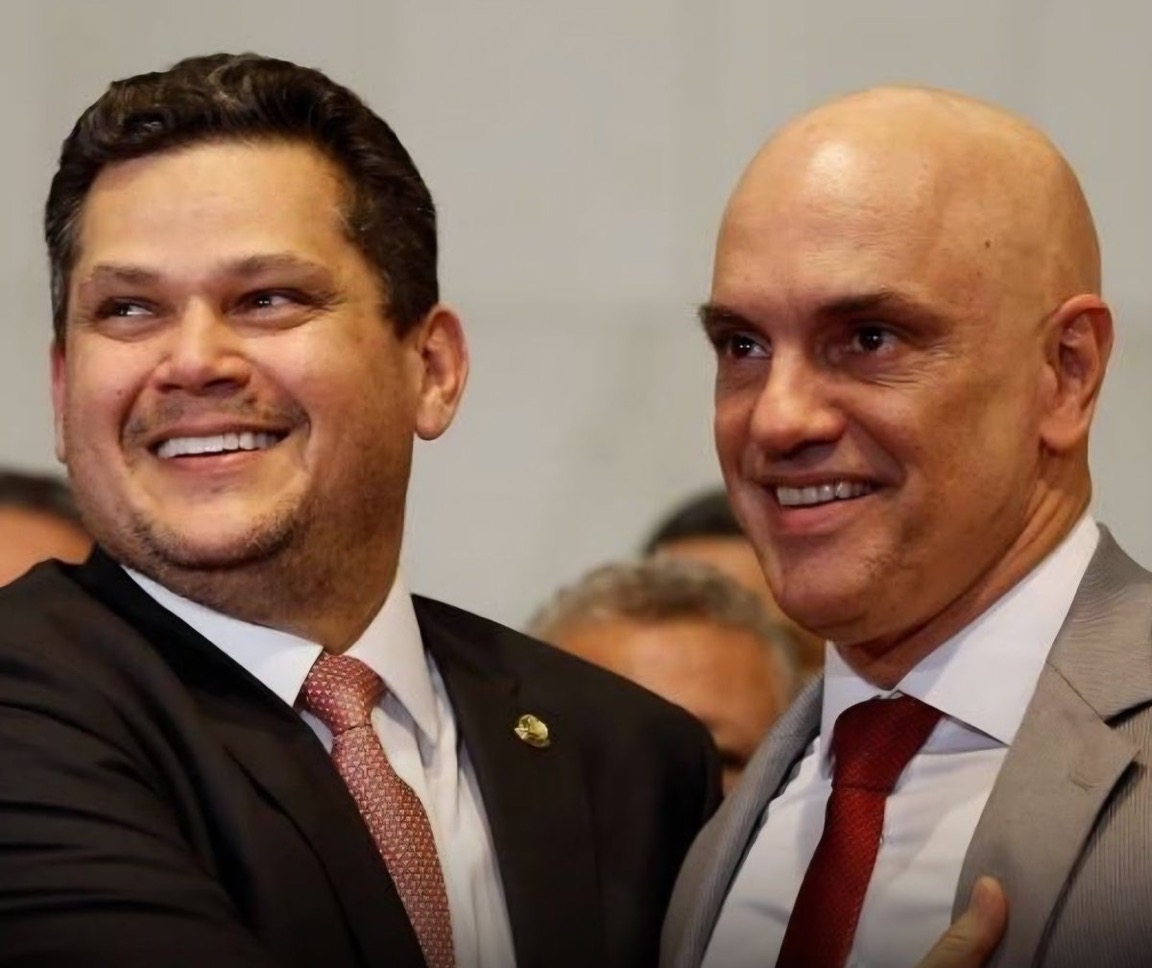

Brazil’s Senate Strongman Faces Reckoning: Novo Party’s Ethics Bombshell Could Shatter the Wall of Impunity
By Hotspotnews
In a bold move that conservative Brazilians have been demanding for years, the Partido Novo has decided to file a formal ethics complaint against Senate President Davi Alcolumbre, accusing him of blatant abuse of power and deliberate institutional paralysis. Senator Eduardo Girão, the fiery Novo lawmaker from Ceará, is leading the charge, exposing how Alcolumbre has repeatedly blocked accountability measures that could finally rein in the out-of-control Supreme Court and uncover massive corruption scandals plaguing the nation.
This isn’t just another partisan squabble—it’s a direct assault on the entrenched elites who have turned Brazil’s institutions into a fortress protecting their own. Alcolumbre stands accused of stonewalling over 40 impeachment requests against Supreme Court Justice Alexandre de Moraes, the controversial figure conservatives have long criticized for weaponizing the judiciary against free speech and political opponents. Despite gathering the necessary signatures, these petitions sit gathering dust because Alcolumbre refuses to put them on the agenda. He’s openly declared he won’t allow any vote on Moraes’ removal, no matter the evidence of overreach.
The complaints don’t stop there. Alcolumbre is also charged with sabotaging a joint congressional probe into the explosive Banco Master financial scandal—one of the largest banking fraud cases in recent memory, with alleged ties reaching into powerful circles, including families linked to the Supreme Court itself. Even though a majority of senators supported opening the inquiry, the Senate president has used procedural maneuvers to kill it. Adding insult to injury, he’s slapped a staggering 100-year secrecy order on records tied to a massive INSS pension fraud scheme, shielding potentially corrupt officials from public scrutiny and denying Brazilians the transparency they deserve.
Girão didn’t mince words when confronting Alcolumbre on the Senate floor, calling out the moral bankruptcy of a leader who prioritizes protecting insiders over serving the people. The Novo Party’s decision to take this to the Ethics Council marks a rare break in the Senate’s usual clubby silence, signaling that true reformers are no longer willing to play by rules rigged against them.
This fight strikes at the heart of Brazil’s democratic crisis. For too long, judicial activists like Moraes have operated with impunity, issuing gag orders, freezing assets, and meddling in elections under the guise of “fighting disinformation.” Meanwhile, financial scandals that could expose billions in stolen taxpayer money are buried deep. Alcolumbre’s alleged omissions aren’t neutral—they’re active choices that erode public trust and empower the very forces conservatives have warned about since the days of Lava Jato.
What Can Happen? The Possibilities Ahead
The ethics complaint opens several high-stakes paths, and conservatives should watch closely as this unfolds. Here’s a clear-eyed look at what could come next:
First, the Senate Ethics Council could actually do its job. If the complaint gains traction—and with growing public outrage, it just might—Alcolumbre faces censure, suspension, or even removal from his powerful post. That alone would send shockwaves through Brasília, forcing the Senate to confront the blocked impeachment requests against Moraes. Imagine special committees forming to examine the justice’s record: suddenly, years of alleged abuses could face real scrutiny, potentially leading to his ouster and a long-overdue reset at the Supreme Court.
Second, pressure could crack open the scandals. With Alcolumbre sidelined or weakened, the Banco Master CPI might finally launch, dragging into the light connections between crooked bankers, political insiders, and even Supreme Court relatives. The INSS fraud probe could follow, exposing how pension money—hard-earned by working Brazilians—was looted while secrecy orders protected the guilty. Success here would validate every conservative call for transparency and deliver a massive win against the culture of corruption that has plagued Brazil for decades.
Third, backlash from the establishment is almost guaranteed. Alcolumbre’s allies in the centrist bloc and government-friendly senators will likely dismiss this as “extremism” or try to bury the complaint in endless bureaucracy. We could see attempts to retaliate against Girão and Novo, or even more aggressive moves to shield Moraes. But that would only backfire, fueling street protests, viral social media campaigns, and a surge in support for opposition voices. Brazilians are fed up with impunity—polls consistently show distrust in Congress and the courts at historic lows.
In the worst case, if the complaint fizzles due to procedural games, it still serves as a powerful wake-up call. It could galvanize conservative voters ahead of future elections, boost Novo’s profile as the principled alternative to the old guard, and build momentum for broader reforms like term limits for justices or constitutional amendments to curb judicial activism. Either way, the status quo of elite protectionism takes a hit.
The Novo Party’s stand isn’t just about one senator or one complaint—it’s about reclaiming Brazil’s institutions for the people. If conservatives rally behind this fight, refusing to let it fade into the background, we could witness the beginning of the end for the unaccountable power structures that have held the nation back. Alcolumbre’s wall of silence is cracking. The question now is whether the Brazilian people will demand it comes tumbling down for good.