



China’s Secret Police Outposts in Brazil: An Outrageous Violation of National Sovereignty
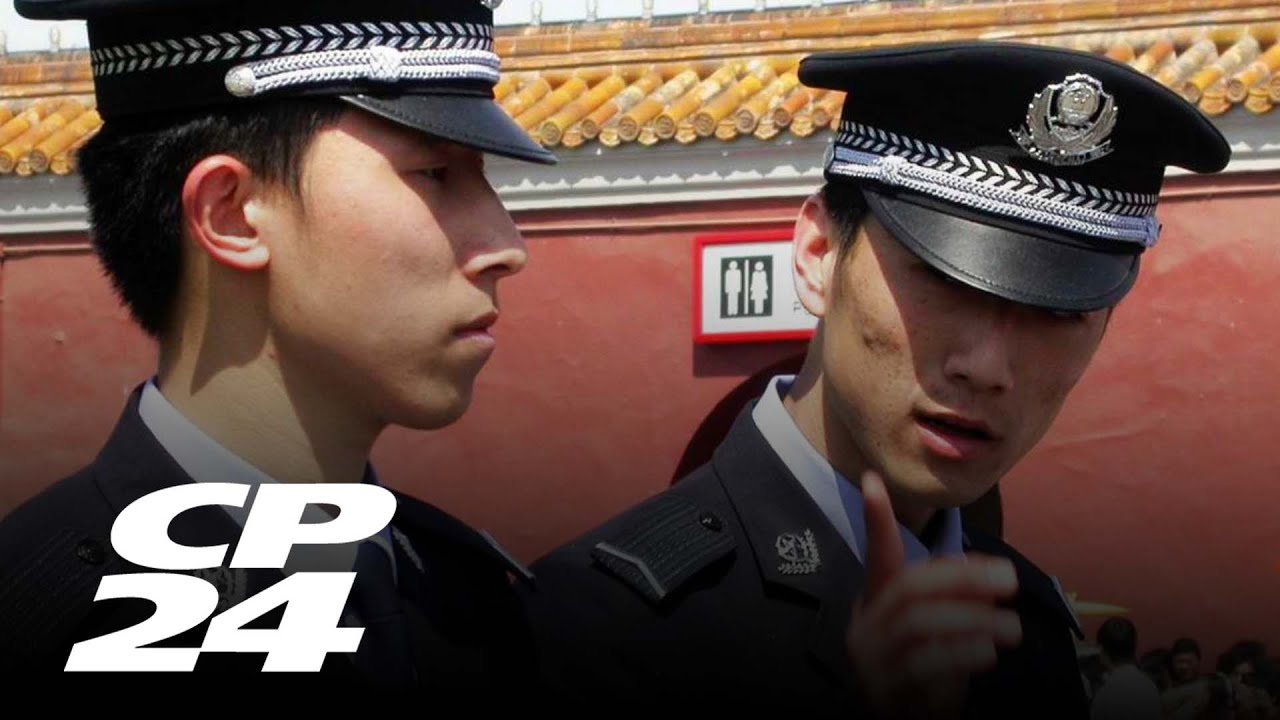
The Chinese Communist Party has quietly planted secret police stations inside Brazil, operating with impunity in major cities like São Paulo and Rio de Janeiro. These so-called “overseas police service stations” are not innocent community hubs for helping Chinese nationals with paperwork. They serve as frontline tools for Beijing’s global surveillance machine, monitoring, harassing, and strong-arming Chinese citizens and critics living abroad. Their goal: pressure dissidents to return to China, often by threatening family members back home.
This setup bypasses Brazil’s laws, courts, and diplomatic channels entirely. Tied directly to Chinese provincial security bureaus, these stations represent a parallel system of control on Brazilian soil. China insists they are harmless service points. The evidence shows something far more sinister: an extension of the CCP’s authoritarian reach, designed to export repression beyond its borders.
Who Authorized These Stations?
No one in the Brazilian government. These outposts were established unilaterally by Chinese provincial public security bureaus—primarily from Fuzhou and Qingtian—without any formal diplomatic agreements, notification to Brazilian authorities, or approval from Brazil’s Ministry of Foreign Affairs. They operated clandestinely, exploiting diaspora networks while the Brazilian state looked the other way. This was not partnership or cooperation; it was a deliberate bypass of sovereignty.
Is This Brazilian Sovereignty?
Absolutely not. Sovereignty means a country fully controls what happens within its own territory. It means enforcing your own laws equally on everyone inside your borders and refusing to let foreign powers run their own policing operations unchecked. Allowing an adversarial regime like Communist China to establish these undeclared outposts is a clear surrender of that authority.
Brazil’s leaders have an obligation to protect residents from foreign intimidation, not tolerate secret foreign police operations on national soil. This is the kind of weakness conservatives have long criticized: prioritizing global image or economic ties over the hard work of defending national independence. If the situation were reversed and Brazil tried something similar inside China, those operations would be crushed immediately, with operators facing arrest or expulsion. True reciprocity is missing here, replaced by one-sided tolerance that only emboldens aggressors.
This erosion of sovereignty sets a dangerous precedent. Once foreign entities operate outside the law with government acquiescence, it undermines public trust, invites more interference, and weakens the rule of law for all Brazilians. Strong nations do not tolerate such shadows in their midst.
A Global Pattern: Which Other Countries Have Allowed This?
Brazil is not unique in this failure. The CCP has built a worldwide network of these stations, with over a hundred documented across more than fifty countries. Many governments initially turned a blind eye, revealing widespread complacency toward Chinese expansionism.
In Europe, Italy once hosted numerous stations, including joint patrols with local police in cities like Rome and Milan. The Netherlands eventually shut down operations in Amsterdam and Rotterdam. The United Kingdom, France, Germany, Spain, and others discovered similar outposts and faced pressure to act. North America saw stations in the United States, particularly New York, and in Canadian cities such as Toronto and Montreal. American authorities rightly labeled them a flagrant sovereignty violation.
Further afield, the stations have appeared in Australia, Japan, parts of Southeast Asia, Africa, and other Latin American nations. Countries deeply tied to China’s economic projects often showed the least resistance, while more vigilant democracies eventually pushed back with investigations, closures, and warnings.
This pattern exposes a clear strategy: exploit diaspora communities, normalize extraterritorial control, and test how much free nations will tolerate. Some countries have responded with strength by shutting the stations down. Others remain passive, trading sovereignty for short-term gains.
The Conservative Stand: Strength and Sovereignty First
Nations must reject this creeping authoritarianism. Conservatives understand that real security begins with secure borders, rigorous scrutiny of foreign operations, and an unapologetic commitment to putting one’s own country first. Brazil and others facing this threat should audit Chinese-linked organizations, expel undeclared agents, and enforce the law without favoritism.
The presence of these stations is not just a Chinese community issue. It concerns every citizen, as it normalizes the idea that powerful regimes can carve out exceptions to national authority. If left unchecked, it opens the door to greater economic leverage, political influence, and security risks.
Sovereignty is not negotiable. Weakness invites aggression. Brazil and like-minded countries need firm leadership that prioritizes citizens, enforces borders, and confronts threats head-on. The shadows of foreign police stations have no place in a free and independent nation. It is time to reclaim full control of Brazilian territory.