


Equal Justice Under the Law: When the Rules Finally Apply to Everyone
By Hotspotnews
For years, Brazilians watched as electoral rules appeared to bend depending on who held power. Institutional advertising restrictions, social-media limits, and the careful policing of public resources seemed to fall more heavily on one side of the political aisle than the other. This week, that perception faced a meaningful test.
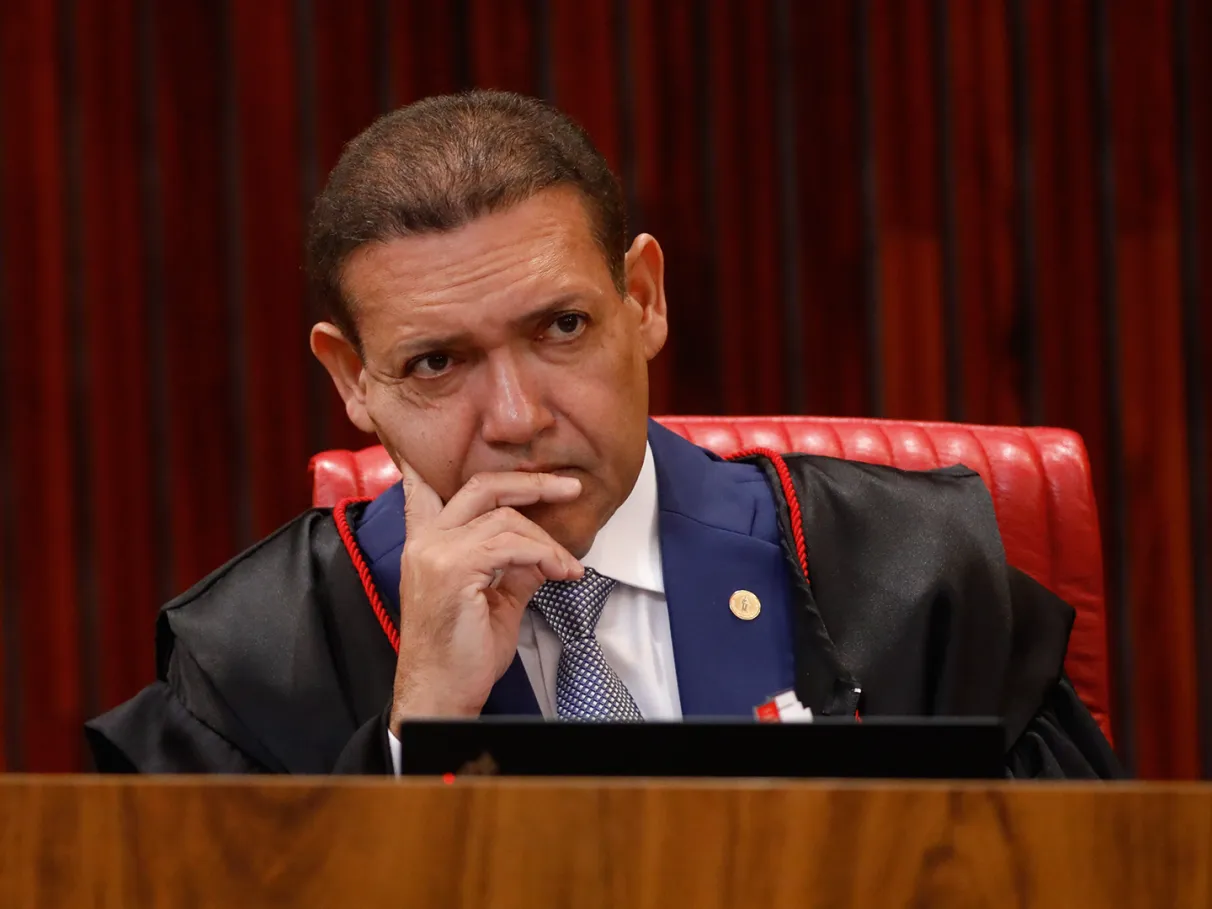
TSE President Minister Kassio Nunes Marques has ordered President Luiz Inácio Lula da Silva, his coalition, and the head of the government’s communication secretariat to explain, within 48 hours, the use of official government social-media channels—particularly the Canal Gov accounts—to promote federal programs during the electoral restriction period. The decision follows a complaint from the Liberal Party documenting roughly a thousand posts that, on preliminary review, appear to carry the hallmarks of institutional advertising at a time when such promotion is restricted by law.
This is not a minor procedural footnote. Public resources and official platforms are not campaign tools. When the state uses its communication apparatus to highlight government achievements in the run-up to an election, it risks tilting the playing field against opposition candidates who lack the same institutional megaphone. The law exists precisely to prevent that advantage. Applying it evenhandedly is the minimum requirement of a functioning democracy.
Critics will inevitably cry selective persecution. Yet the sequence of events points in the opposite direction. A formal complaint was filed. Evidence was presented. A senior electoral magistrate—one not known for radicalism—found enough preliminary plausibility to demand explanations and to order the preservation of the contested posts. That is how the system is supposed to work. The same rules that have constrained other political actors are now being invoked against the administration in power. Consistency is not persecution; it is the opposite of it.
Conservatives have long argued that institutions lose legitimacy when they appear to operate under double standards. If restrictions on institutional publicity, social-media amplification, and the use of government channels are legitimate tools to protect electoral fairness, they must bind every government, left or right. The moment those restrictions become optional for those currently in office, public trust erodes. Brazilians of all persuasions understand this instinctively. A stick that only ever falls in one direction eventually loses its moral force.
The coming days will show whether the explanations offered are satisfactory and whether further measures follow. What matters more than any single ruling is the principle on display: the electoral justice system is capable of examining the conduct of the powerful as carefully as it examines the conduct of the opposition. That principle is worth defending regardless of which party occupies the Planalto.
Rule of law is not a slogan reserved for campaign season. It is the quiet insistence that public power remains accountable even—especially—when exercised by those who most prefer it remain unchecked. In that light, Minister Nunes Marques’s order is a modest but necessary step toward restoring balance.