

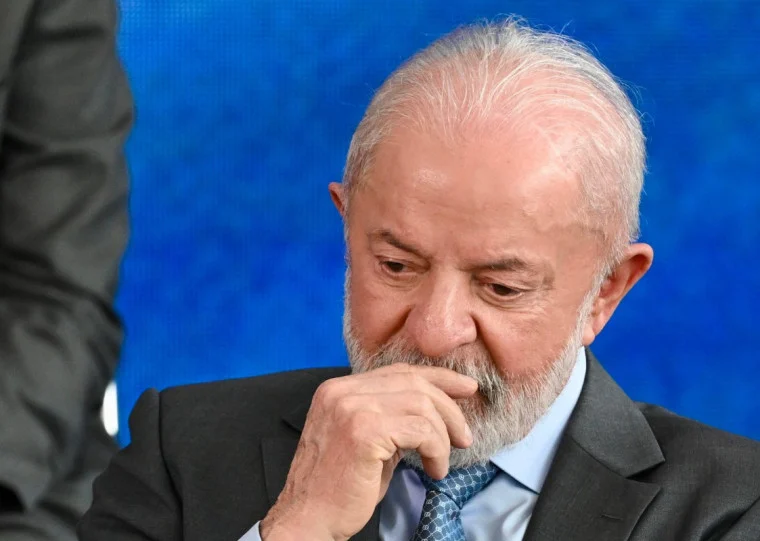

Lula Caught Red-Handed: Desperate Blame Game on Flávio Bolsonaro Exposes Failed Leadership as Trump Holds Firm on America First
By Hotspotnews
In a stunning display of political cynicism, Brazilian President Luiz Inácio Lula da Silva has been exposed for knowingly misleading the nation. Despite advance warnings from his own technical team about impending U.S. tariffs, Lula’s government chose to launch a partisan smear campaign against Senator Flávio Bolsonaro rather than address the root causes of the crisis. This is not diplomacy—it’s deflection, and Brazilian voters are seeing through it.
According to detailed reporting, Brazilian and American officials met on May 28, where technicians left “on high alert” regarding new 25% tariffs under the U.S. Trade Representative’s Section 301 investigation. Yet just days later, when the proposal dropped on June 2, Lula’s allies rushed to pin the blame on Flávio Bolsonaro, dubbing it “TariFlávio” and claiming the senator’s Washington visit somehow provoked President Trump. The timeline doesn’t lie: Lula knew the risks, ignored the opportunity for real negotiation, and opted for electoral theater instead.
The tariffs themselves stem directly from Lula’s policy failures. The USTR cited Brazil’s digital regulations, including the controversial Pix system and platform controls, preferential trade distortions, weak anti-corruption measures, environmental mismanagement, and barriers to fair market access like ethanol. These are not abstract complaints or foreign interference—they are the predictable consequences of a left-wing agenda that prioritizes ideology, government control, and alliances with adversarial regimes over pragmatic, pro-growth trade relations. Lula owns this mess entirely. No amount of finger-pointing at the Bolsonaro family can erase years of choices that alienated a key partner like the United States.
Meanwhile, President Donald Trump continues to execute a disciplined America First strategy without apology. His recent meeting with Flávio Bolsonaro in the Oval Office—following his own extended sit-down with Lula—sends an unmistakable message: Washington is preparing for a post-Lula Brazil aligned with shared values of sovereignty, security, and economic realism. Trump isn’t playing short-term games. He has time on his side and is using it to cultivate right-leaning partnerships that put national interests first, whether on critical minerals, countering transnational crime like the PCC, or rebalancing trade away from unfair practices.
Trump’s approach rewards strength and mutual respect. Brazil under a future conservative leadership could thrive as a reliable partner—boosting energy cooperation, combating illegal immigration and gangs at the source, and standing firm against overregulation. Lula’s team, by contrast, returns from negotiations empty-handed because they refuse to confront their own missteps. The July hearing and decision deadline loom, and without meaningful reforms, Brazilian exporters of soy, steel, meat, and more will pay the price in lost jobs and higher costs for everyday families.
This episode reveals the deeper rot in Lula’s third act as president. At 80 years old and eyeing reelection in October 2026, he faces a tightening race against Flávio Bolsonaro and other center-right contenders. Polls show vulnerability: economic pain from tariffs could shatter the illusion of competence, especially among pragmatic independents tired of endless polarization and excuses. Brazilians remember who delivers results—and who plays politics while the economy suffers.
Lula’s blame game has backfired. By getting caught shifting responsibility onto Flávio, the PT government has handed the opposition a powerful narrative: real leadership means owning your policies, negotiating from strength, and aligning with partners who respect Brazil’s potential. Trump understands this. A right-leaning Brazil, free from ideological excess, would stand on the right side of history—prosperous, secure, and sovereign.
The coming weeks will test whether Lula can pivot to solutions or double down on division. For now, the facts are clear: the tariffs are his failure, the cover-up is his choice, and Trump’s steady hand is reshaping the hemisphere for the better.