

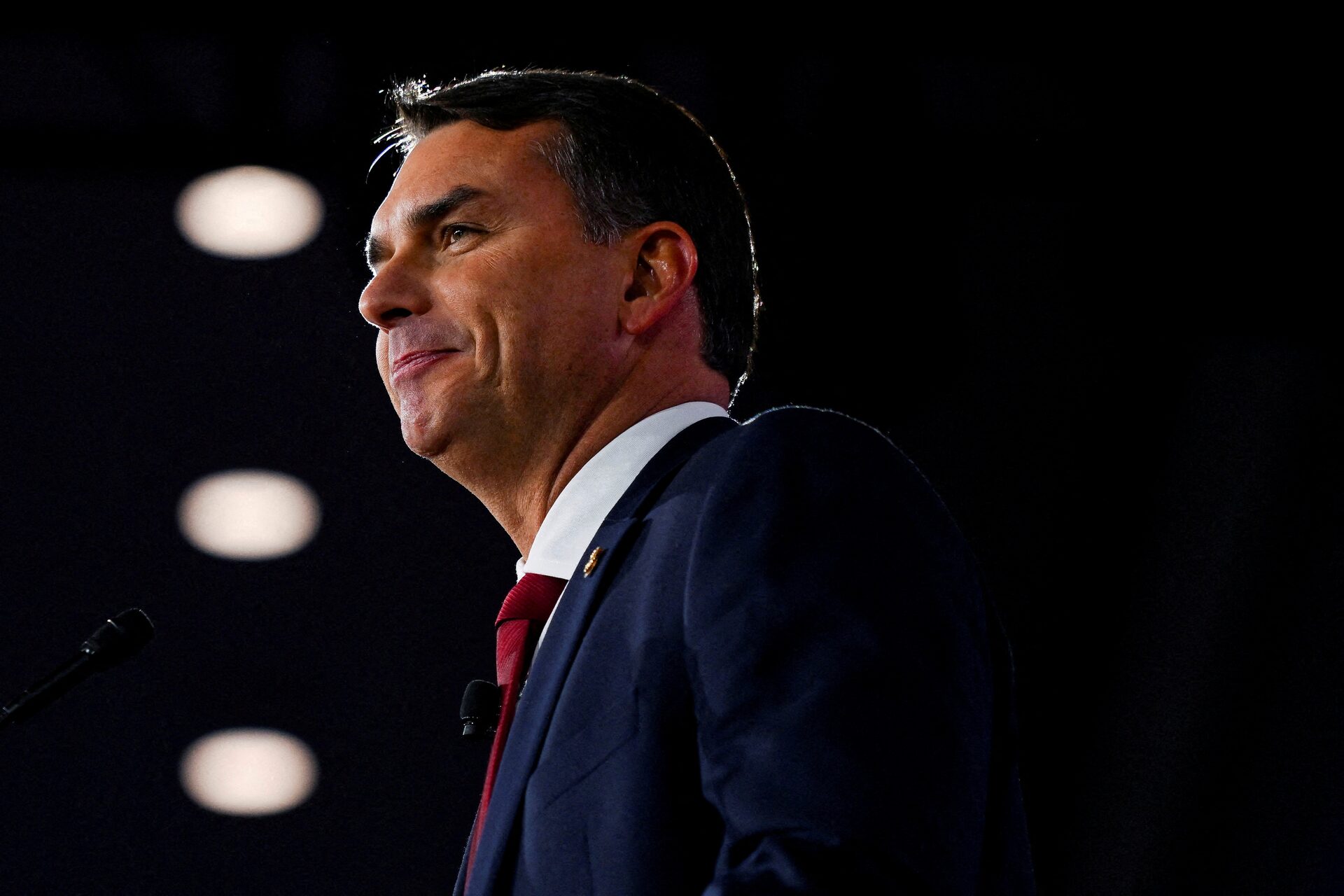

PL Blows the Whistle on Sophisticated Digital Hit Job Against Flávio Bolsonaro: Fake Profiles, Millions in Dark Money, and a Direct Threat to 2026 Elections
By Hotspotnews
In a decisive stand for transparency and electoral fairness, the Partido Liberal (PL) has taken formal action at Brazil’s Superior Electoral Court (TSE), filing a detailed representation that unmasks what party officials describe as a multi-million-dollar scheme of coordinated social media attacks targeting Senator Flávio Bolsonaro, the leading conservative pre-candidate for the 2026 presidential race.
According to the PL’s legal team and campaign monitors, the operation involves thousands of paid posts—approximately 4,600 in total—pushed by networks of fake “ghost” profiles. These accounts are typically brand-new, with just 30 to 40 followers each, yet they somehow command budgets large enough to spend hundreds of thousands of reais (with reports citing individual clusters exceeding R$200,000) on boosted content designed to smear the senator. Many of these profiles were rapidly created, used for high-volume advertising, then deactivated and swapped out for new ones in a clear pattern meant to obscure their origins and evade detection.
What makes the scheme even more alarming is the international flavor of the funding. Investigations by the PL revealed payments processed in multiple currencies, including Brazilian reais, U.S. dollars, and even Colombian pesos—transactions that raise serious questions about foreign interference or illicit domestic networks funneled through opaque channels. The party’s monitoring, conducted through Meta’s own ad library, showed spending levels wildly inconsistent with the tiny organic reach of these accounts, pointing to a professional, well-financed digital operation rather than spontaneous grassroots criticism.
Senator Flávio Bolsonaro did not mince words when addressing the revelations. He pointed to “strong indications of a digital criminal organization”—a complex, sophisticated, and illegal structure built specifically for creating phantom profiles, contracting irregular ad boosts, and then cycling them out to avoid traceability. “This isn’t debate,” his team argues. “It’s industrialized character assassination funded by hidden hands that fear conservative ideas and the proven track record of the Bolsonaro family in delivering results for the Brazilian people.”
This development comes at a pivotal moment. As Flávio Bolsonaro positions himself as the natural successor to his father’s movement—emphasizing tough-on-crime policies, economic liberalization, anti-corruption measures, and a defense of traditional values and national sovereignty—the left appears increasingly reliant on asymmetric warfare in the digital shadows. For years, conservatives have documented how platforms and political operators tolerate or even encourage such tactics against the right while crying foul at any counter-effort. The volume of complaints already filed in this pre-campaign period underscores a pattern: progressive forces weaponize institutions and technology to suppress dissenting voices.
The PL’s filing demands exactly what every patriotic Brazilian should support: a thorough TSE investigation into the true financiers, the identities behind the fake networks, and whether this constitutes illegal electoral propaganda or even broader criminal activity. Tracing these funds could expose not just individual bad actors but systemic efforts to tilt the playing field before a single official vote is cast.
Critics on the left will likely dismiss this as paranoia or an attempt to stifle “free speech.” But free speech does not include the right to deploy armies of bots and money-laundered ads to flood timelines with lies. Real democracy requires sunlight on dark money, accountability for coordinated deception, and equal protection under the law—principles that have too often been selectively applied in recent Brazilian history.
Flávio Bolsonaro has spent his career in public service fighting entrenched interests, bureaucratic excess, and threats to liberty. This latest assault only reinforces why millions of Brazilians continue to back the conservative project: a commitment to putting Brazil first, restoring order, and rejecting the same old tricks of the political establishment.
As the TSE reviews the evidence—from ad spending logs to profile creation patterns—the eyes of the nation are watching. Will authorities act decisively to protect the integrity of the electoral process, or will they allow these digital militias to operate with impunity? The answer will speak volumes about the health of Brazilian democracy heading into 2026. Conservatives stand ready to defend the truth, the voters, and the future of a sovereign, prosperous Brazil. The silent majority will not be silenced by fake profiles and foreign-tinged cash.