


Lula’s Mercosur-Asia Pivot Overshadows Critical EU-Germany Deal: A Conservative Critiquek
By Laiz Rodrigues
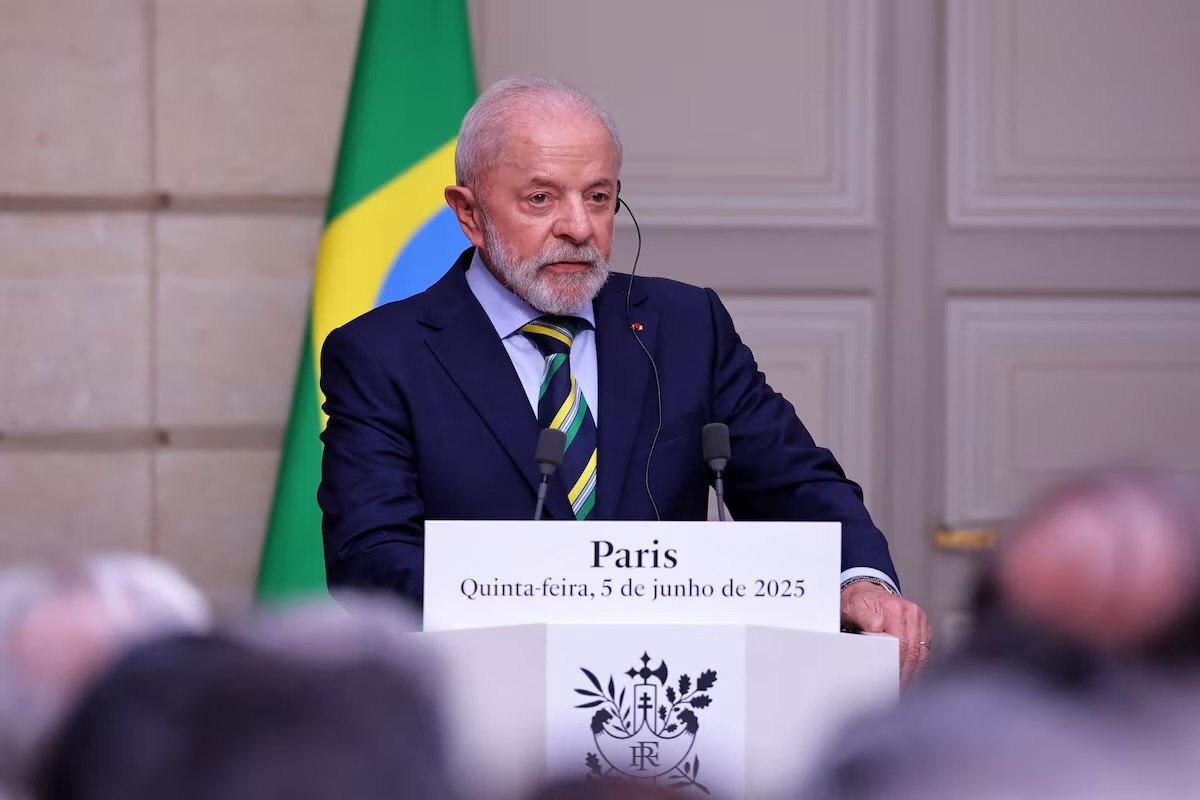
Brazilian President Luiz Inácio Lula da Silva’s recent push at the July 2025 Mercosur summit to deepen ties with Asia, particularly China, has raised alarm bells, especially as it distracts from the hard-won EU-Mercosur Partnership Agreement, finalized in December 2024. This historic deal, strongly backed by Germany, promises to create one of the world’s largest free trade zones, encompassing over 700 million people and slashing tariffs on key industries. Yet Lula’s fixation on Asia threatens to undermine this strategic alignment with Western democracies, prioritizing authoritarian partnerships over shared values and economic stability.
Germany, Europe’s industrial powerhouse, has been a vocal champion of the EU-Mercosur agreement, seeing it as a lifeline for its export-driven economy. The deal eliminates tariffs on 93% of EU exports to Mercosur, including German cars, machinery, and chemicals—sectors facing high duties of up to 35% in South America. For Germany, this translates to €15.4 billion in annual exports, supporting 244,000 jobs and bolstering industries battered by global trade tensions. German Chancellor Friedrich Merz, who took office in early 2025, has urged swift ratification, calling it “groundbreaking” for economic resilience and a counterweight to U.S. protectionism under President Trump.
Lula’s pivot to Asia, however, risks diluting the focus on this deal. By cozying up to China, a nation notorious for predatory trade practices and human rights abuses, Lula is gambling with Mercosur’s sovereignty. China’s Belt and Road Initiative has already trapped nations in debt, and deeper ties could make South America a pawn in Beijing’s geopolitical game. This move stands in stark contrast to the EU-Mercosur agreement, which includes commitments to the Paris Climate Agreement, deforestation controls, and high labor standards—values aligned with Western principles but often ignored by Asian autocracies.
From a conservative perspective, Lula’s strategy is a reckless betrayal of the Western alliance. The EU-Mercosur deal, backed by Germany, offers a balanced path to prosperity, opening markets while protecting sensitive sectors like agriculture through quotas and safeguards. For instance, only 99,000 tonnes of Mercosur beef will enter the EU at a 7.5% duty, a fraction of current imports, ensuring minimal disruption to European farmers. Germany’s support for the deal reflects a pragmatic commitment to free markets and democratic partnerships, unlike Lula’s flirtation with regimes that suppress freedom and manipulate trade.
Lula’s timing is particularly galling. As Germany and Brazil have worked tirelessly to finalize the EU-Mercosur pact—overcoming 25 years of negotiations and resistance from French farmers—Lula’s Asia rhetoric feels like a slap in the face to Berlin’s efforts. His government has hailed the EU deal as proof of Mercosur’s global clout, yet his simultaneous push for Asian ties suggests a lack of commitment to Western partners. This duplicity threatens to erode trust, especially as Germany faces domestic pressure to ensure fair trade standards.
Conservatives must call out Lula’s dangerous priorities. The EU-Mercosur agreement, with Germany’s backing, is a bulwark against Chinese influence and a testament to the power of free trade among democracies. By chasing Asian deals, Lula risks squandering this opportunity, dragging Mercosur into a future of dependency and eroded values. It’s time for South America to double down on its Western alliances, not turn its back on them.
Sources:
– Reuters, “Brazil’s Lula urges Mercosur to deepen ties with Asia at summit,” July 3, 2025.
– Bloomberg, “Lula pushes for Mercosur-Asia trade expansion in Buenos Aires,” July 3, 2025.
– The Wall Street Journal, “South America’s Mercosur eyes Asian markets amid global shift,” July 3, 2025.
– Euractiv, “Germany pushes for Mercosur deal as France rallies allies to block it,” June 16, 2025.[](https://www.euractiv.com/section/agriculture-food/news/germany-pushes-for-mercosur-deal-as-france-rallies-allies-to-block-it/)
– European Commission, “EU-Mercosur partnership agreement,” December 6, 2024.[](https://policy.trade.ec.europa.eu/eu-trade-relationships-country-and-region/countries-and-regions/mercosur/eu-mercosur-agreement/factsheet-eu-mercosur-partnership-agreement_en)