


Moraes’ Latest Move: Another Attempt to Silence Bolsonaro as Leftist Deputy Demands Return to Prison
By Hotspotnews
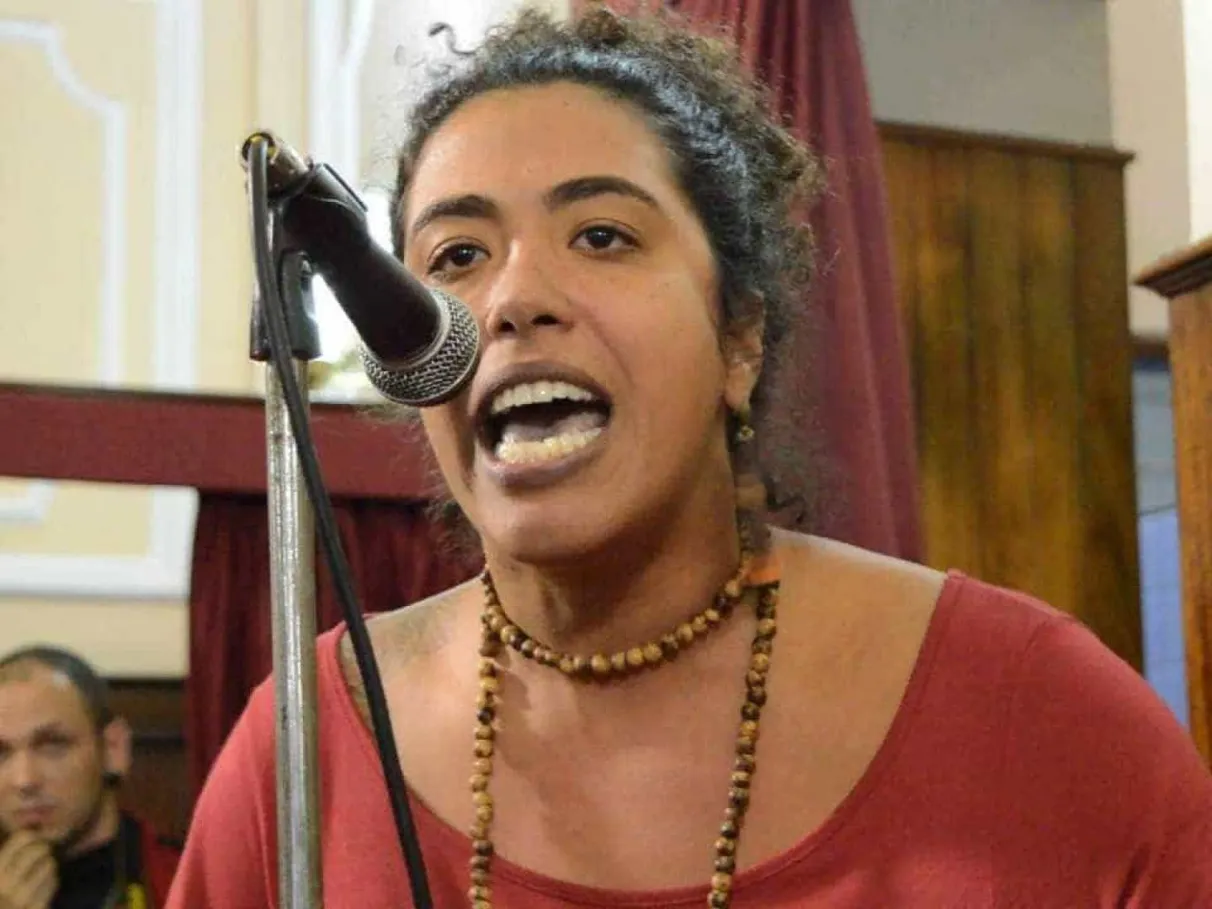
In a shocking escalation of Brazil’s ongoing political persecution, far-left PSOL deputy Talíria Petrone has formally requested that the Attorney General’s Office urge Supreme Court Justice Alexandre de Moraes to revoke former President Jair Bolsonaro’s humanitarian house arrest and send him back to the harsh closed prison regime.
Bolsonaro, already serving what many view as a politically motivated 27-year sentence related to alleged “coup” investigations stemming from the 2022 election aftermath, was granted temporary house arrest only days ago due to severe health complications, including pneumonia that landed him in intensive care. The move was a basic humanitarian concession for a 71-year-old man with a history of serious medical issues, including the aftermath of a near-fatal stabbing. Yet, almost immediately, the radical left is circling like vultures, demanding an end to even this limited relief.
Petrone’s filing points to comments made by Bolsonaro’s son Eduardo during a conservative conference in the United States. Eduardo, speaking freely abroad, mentioned recording parts of the event to share with his father — a statement the left now twists into an alleged violation of strict communication bans imposed under house arrest rules. These restrictions, enforced by Moraes, severely limit Bolsonaro’s contact with the outside world, including family visits on tight schedules and prohibitions on phones or indirect messaging. To conservatives, this looks less like legitimate enforcement and more like another chapter in Moraes’ relentless campaign to isolate, humiliate, and ultimately break one of Brazil’s most popular political figures.
This is not justice; it is lawfare at its most transparent. Alexandre de Moraes, the STF minister who has become synonymous with authoritarian overreach in Brazil, has repeatedly used his position to target Bolsonaro and his supporters. From broad “fake news” inquiries to heavy-handed censorship and now this medical hostage situation, Moraes’ actions raise serious questions about due process and the separation of powers. Critics argue he acts as prosecutor, judge, and executioner in cases involving the right, all while Brazil’s institutions bend to the will of the current leftist government under Lula.
The timing is telling. Bolsonaro’s house arrest was granted on health grounds after he suffered visibly in prison conditions unfit for his age and ailments. Revoking it now — based on a son’s overseas remarks at a pro-freedom event — would effectively condemn a sick man to potential further deterioration behind bars. Many see this as less about “rule of law” and more about ensuring Bolsonaro cannot remain a symbol of resistance. The left cannot defeat his ideas at the ballot box, so they pursue him through the courts and prison cells.
Brazilian conservatives and millions of patriots who voted for Bolsonaro in record numbers recognize this pattern: selective enforcement that spares leftist radicals while crushing any challenge to the establishment. Eduardo Bolsonaro’s statements were those of a son defending his father and a political movement — hardly the “international conspiracy” Petrone and her allies hysterically claim. If sharing a video from a public conference violates house arrest, then the rules are designed not for security, but for total silencing.
This episode exposes the fragility of Brazil’s democracy under judicial activism. True rule of law would allow a former president basic dignity during illness, not weaponize family interactions to justify harsher punishment. As Petrone and Moraes push to end the “privilege” of house arrest, they reveal their true goal: not accountability, but the political elimination of Jair Bolsonaro.
The Brazilian people deserve better than this vendetta. Supporters of freedom must continue to shine a light on these abuses, demand transparency in the courts, and reject the transformation of Brazil into a nation where dissent equals imprisonment. Bolsonaro’s fight is far from over — and neither is the resistance to those who would bury liberty under the guise of “protecting democracy.”