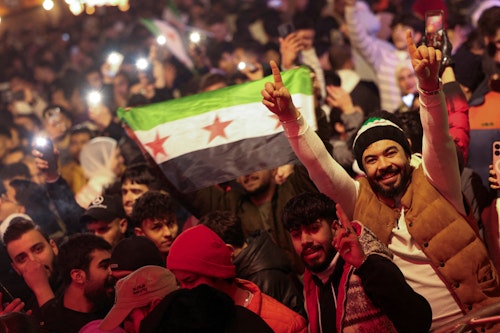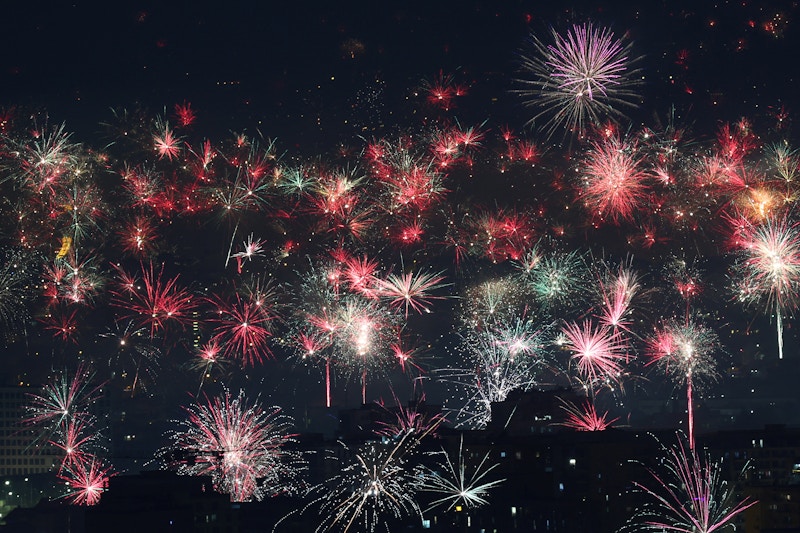

MUHARRAM
Muharram is the first month of the Islamic New Year. The word means forbidden, in reference to war being forbidden during this month.
The exact date changes every year based on the moon, as it is a lunar calendar. This year, it’s expected to fall on Friday, June 27.
ROSH HASHANA
This two-day celebration welcomes the religious Jewish New Year.
Also called the Day of Judgement, this annual celebration calls for Jews to reflect on their relationship with God.
SONGKRAN
In Thailand, Songkran signifies the sun’s passing from the last Zodiac sign (Pisces) to the first (Aries) in mid-April.
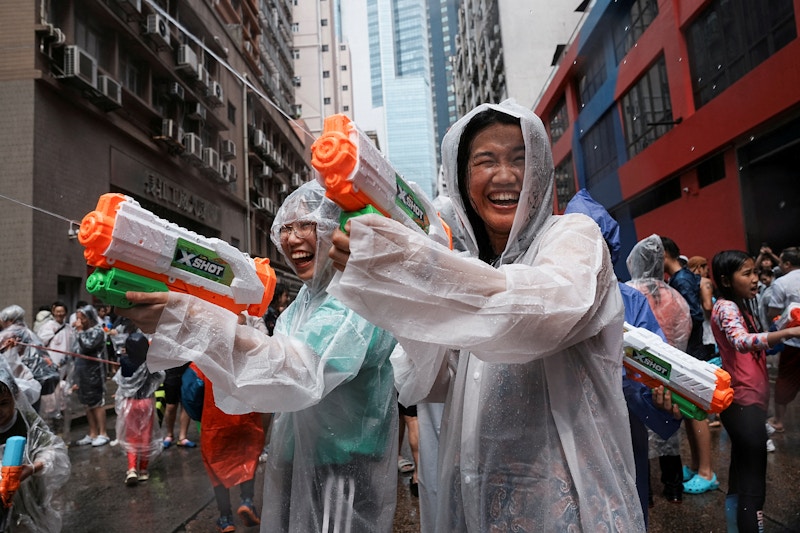
The use of water – symbolizing purification and good fortune – is common during this festival, where people often throw water on each other.
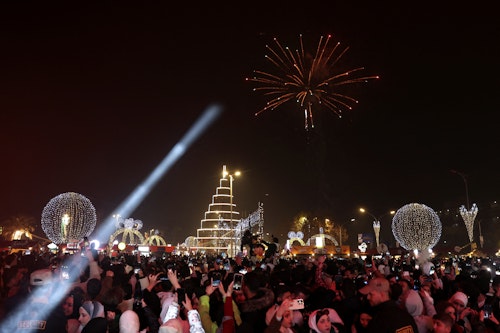
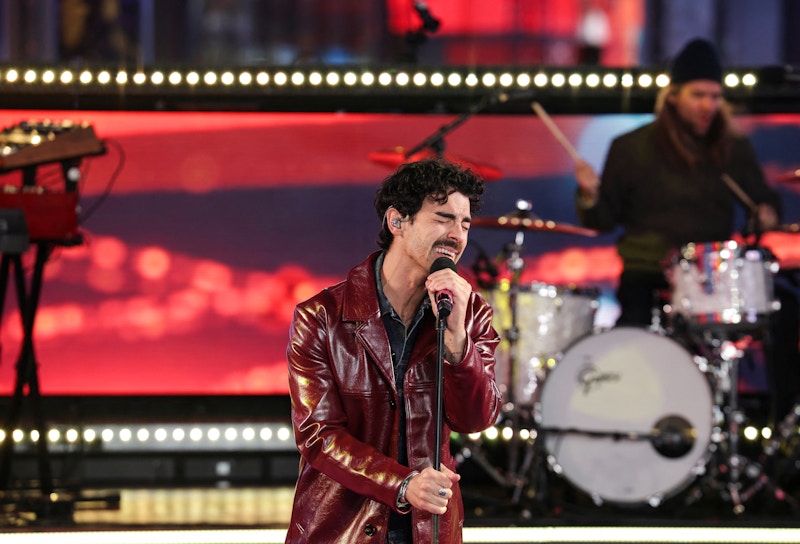
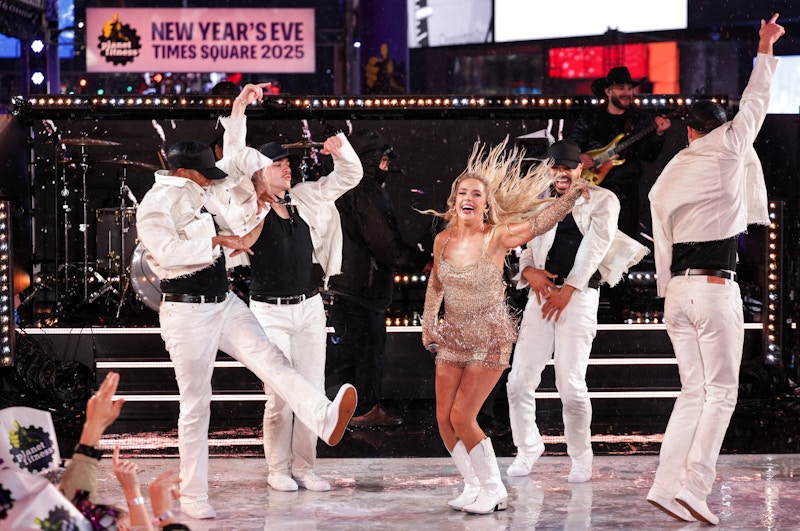
The show has begun in New York’s Times Square
Why do we kiss at New Year?💋
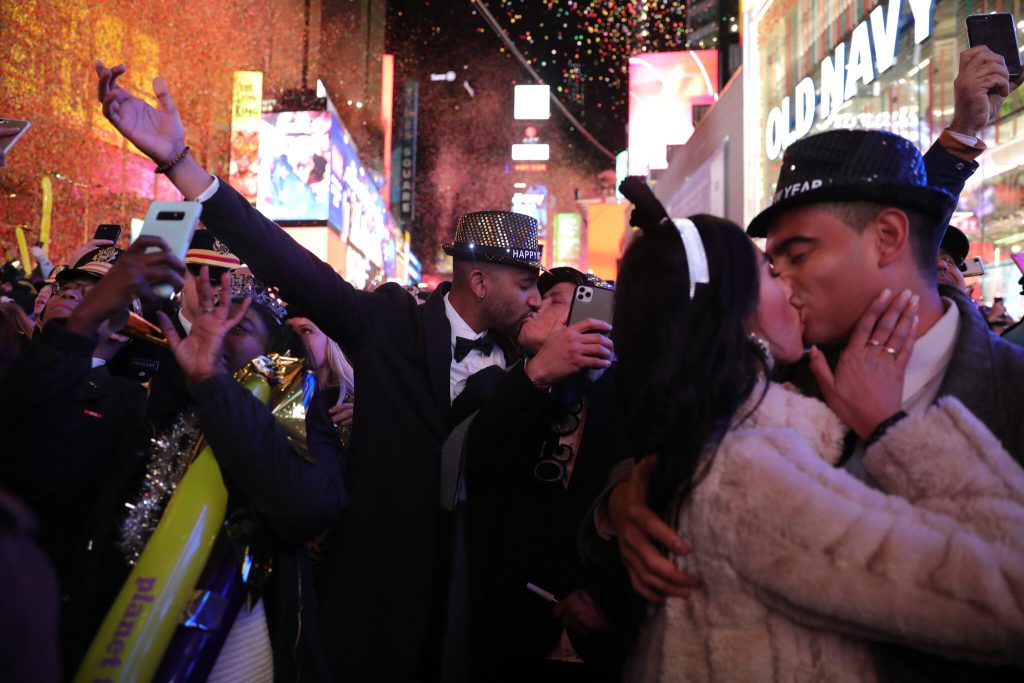
That New Year’s Eve kiss carries traditions and superstitions.
Some say that if you don’t kiss your significant other when the clock strikes midnight, then the relationship will be doomed. Others say that no kiss on New Year’s means you’ll be alone all year.
So where does this tradition of kissing on New Year’s Eve come from?
It’s hard to know for certain, but some say the roots might be German traditions. Here’s The New York Times in 1863, talking about celebrations among Germans in the U.S.
“As the clocks ring out the hour of midnight, all this festivity pauses for a moment, to listen, and as the last stroke dies into silence, all big and little, old and young, male and female, push into each other’s arms, and hearty kisses go round like rolls of labial musketry, with the exclamation ‘Prost’s Neujahr!’ (Hail the New-Year!)”
Others say it’s older still, inspired by the ancient Roman celebrations of “Saturnalia,” held annually during the winter solstice. Wine and partying was abundant, and therefore – presumably – lots of kissing!