


Hotspotorlando News
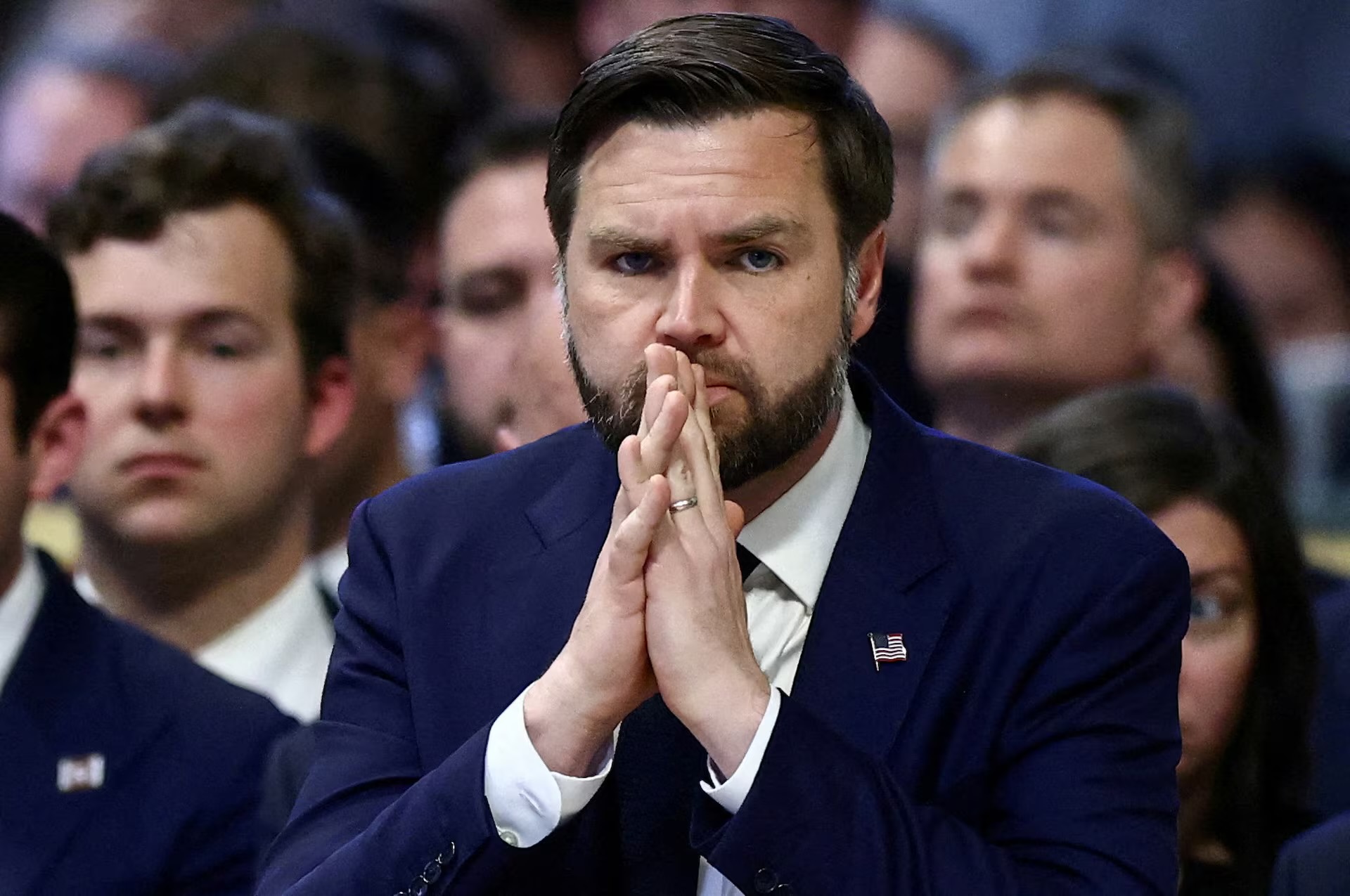
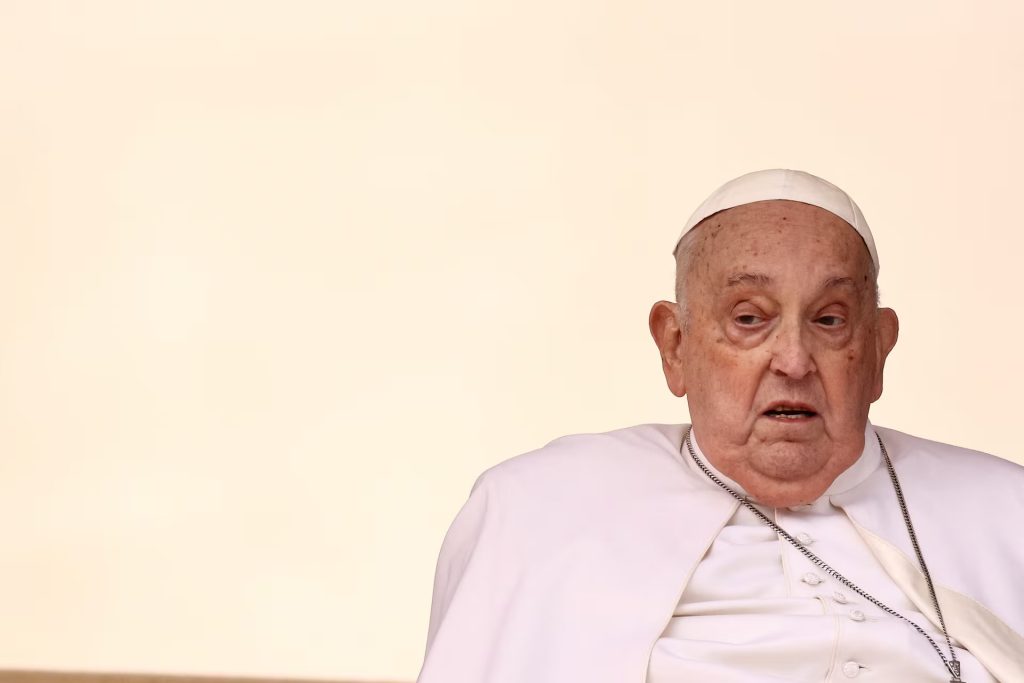
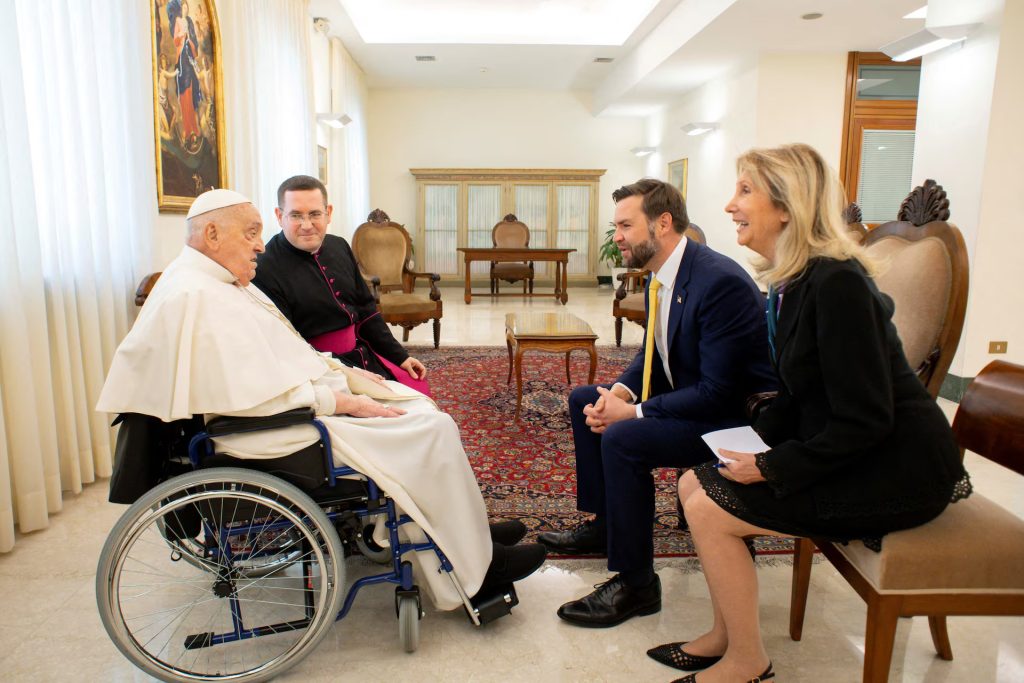
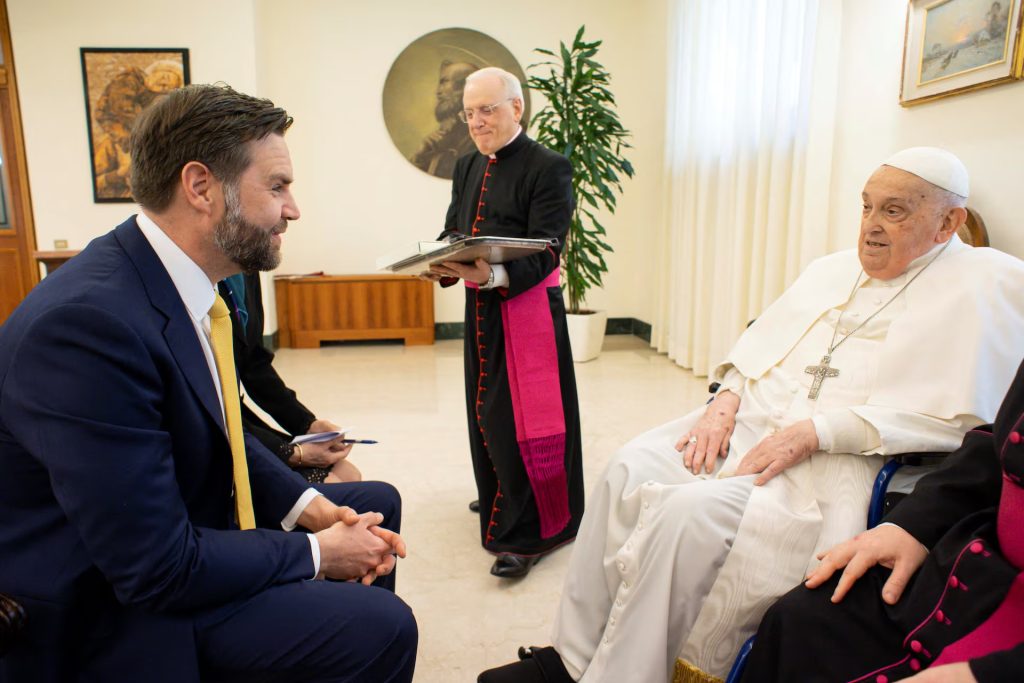
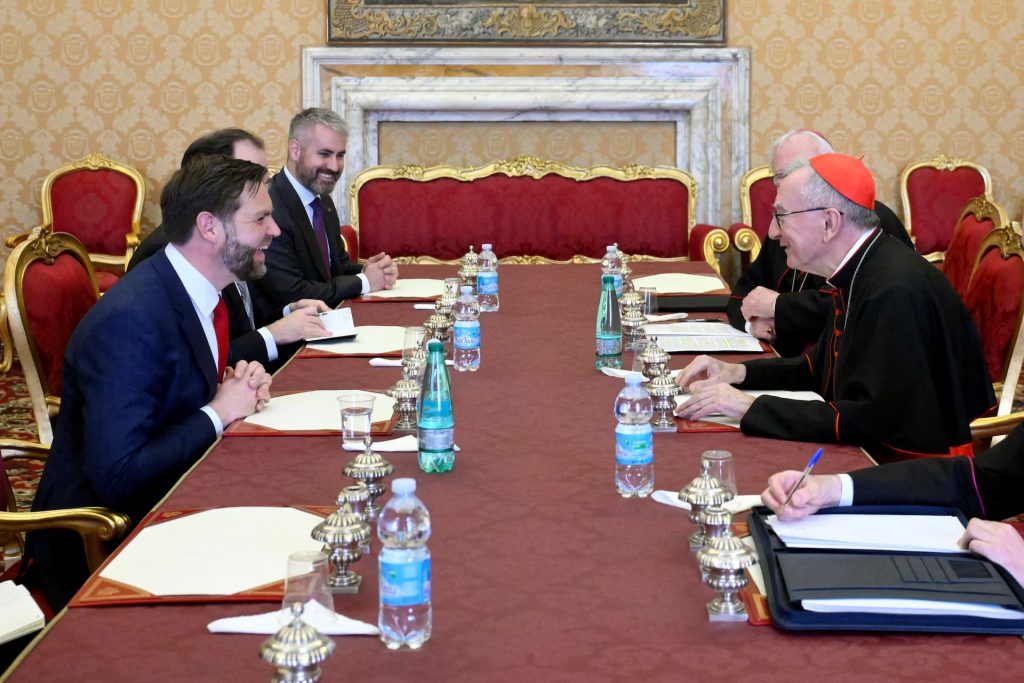
The meeting between Pope Francis and Vice President J.D. Vance on Easter Sunday, April 20, 2025, highlights the complex interplay of faith and politics within the U.S. Catholic Church, especially amid recent developments.
Overview of U.S. Catholic Church Politics in 2025
The U.S. Catholic Church, representing about 20% of the U.S. population (roughly 66.8 million Catholics), is a significant political and cultural force. However, it is deeply divided along partisan lines, reflecting broader national polarization. Catholics are nearly evenly split between the Democratic and Republican parties, with 47% identifying as Democrats and 46% as Republicans, according to Pew Research Center data from 2018-2019. This split manifests in divergent views on social issues, church teachings, and the role of faith in public life.
Key Political Issues and Church Positions
1. Immigration:
– The U.S. Catholic Church, led by the U.S. Conference of Catholic Bishops (USCCB), has long advocated for compassionate immigration policies, emphasizing the dignity of migrants and refugees. Pope Francis has reinforced this stance, notably criticizing the Trump administration’s mass deportation plans as a “disgrace” and urging U.S. bishops to reject anti-immigrant narratives in a February 2025 letter.
– The Francis-Vance meeting underscored this tension. Vance, a Catholic convert and proponent of strict immigration enforcement, has justified prioritizing national citizens using the concept of *ordo amoris* (“order of love”). Pope Francis directly challenged this, citing the Good Samaritan parable to advocate universal love. The Vatican’s discussions with Vance on April 19, 2025, included migration policy, with the Holy See expressing alarm over U.S. funding cuts to refugee programs.
– The USCCB’s decision in April 2025 to end a decades-long partnership with the federal government for refugee and children’s services, citing policy misalignments, reflects the growing rift with the Trump administration’s agenda.
2. Abortion
– The Catholic Church unequivocally opposes abortion, viewing it as an intrinsic evil. The USCCB has prioritized abortion as the “preeminent” political issue, a stance reaffirmed at their November 2019 meeting, which some Democrats perceive as tilting toward the Republican Party.
– This focus has fueled debates over denying Communion to pro-choice Catholic politicians, such as President Joe Biden. In 2021, the USCCB approved drafting a document addressing this issue, prompting controversy over whether it targeted Biden specifically. The issue remains divisive, with bishops like Thomas J. Olmsted of Phoenix advocating for repentance before Communion, while others, like Cardinals Timothy Dolan and Donald Wuerl, argue against denying sacraments over legislative stances.
– The 2022 Supreme Court decision overturning *Roe v. Wade* intensified these debates, with Catholics split: 77% of Democratic-leaning Catholics support legal abortion in most cases, while 63% of Republican-leaning Catholics oppose it, aligning more with church teaching.
3. Polarization and Partisan Divide
– The U.S. Catholic Church is not monolithic. White Catholics tend to lean Republican, while Hispanic Catholics, a growing demographic, overwhelmingly support Democrats. This divide shapes views on issues like poverty, healthcare, and LGBTQ rights, often aligning more with party platforms than church teachings.
– A 2019 Pew survey found that 62% of Catholics believe churches should avoid politics, yet issues like immigration and abortion keep the church entangled in public debates. The USCCB’s *Forming Consciences for Faithful Citizenship* (updated 2016) encourages Catholics to vote based on moral principles, but its nuanced approach struggles against partisan loyalties.
– Pope Francis has expressed concern about the U.S. Church’s politicization, noting in 2023 that some clergy misuse spiritual authority to influence voting or “weaponize” sacraments. However, most priests avoid political sermons, with only 41% of Catholics hearing election-related homilies in 2020, compared to higher rates among Protestant groups.
4. Shift Toward Traditionalism:
– Recent years have seen a surge in conservative, orthodox Catholicism, particularly among younger priests and laity. A 2023 Catholic Project report noted that young priests are less likely to embrace the liberal theology of the 1960s-70s post-Vatican II era, favoring traditional practices like Latin Mass, Gregorian chant, and strict adherence to doctrine.
– This shift is evident in parishes like St. Maria Goretti in Madison, Wisconsin, and institutions like Benedictine College in Kansas, where traditional liturgy and conservative values are resurgent. Some traditionalists openly support figures like Trump, as seen in events like the “Catholic Prayer for Trump” at Mar-a-Lago in 2024.
– This trend clashes with Pope Francis’s push for a more inclusive, synodal church, creating tensions with conservative U.S. Catholics who view him as too liberal on issues like gay relationships and divorce. Some even reject his authority outright.
The Francis-Vance Meeting in Context
The Easter 2025 meeting between Pope Francis and J.D. Vance encapsulates these dynamics:-
Diplomatic Symbolism: The brief exchange of Easter greetings, with Francis gifting chocolate eggs and Vance wishing the pope good health, was a diplomatic gesture amid strained relations. The Vatican’s decision to host Vance privately, while Francis delegated Easter Mass due to health concerns, balanced protocol with caution to avoid appearing to endorse Trump administration policies.
– Immigration Rift: The meeting followed Vance’s April 19 discussions with Vatican officials, where migration was a key point of contention. The Vatican’s readout emphasized “cordia alks but noted an “exchange of opinions,” signaling disagreement. Francis’s prior criticisms of Trump’s policies, including border wall expansion (opposed by 91% of Catholic Democrats but supported by 81% of Catholic Republicans), framed the encounter.
– Catholic Identity in Politic: Vance, the highest-ranking Catholic in the U.S. government, embodies the conservative Catholic vote. His defense of *ordo amoris* and alignment with Trump’s agenda contrast with Francis’s universalist approach, highlighting the challenge of reconciling personal faith with public policy. The meeting’s timing, just before Francis’s *Urbi et Orbi* call for peace and aid to the needy, reinforced the pope’s counter-narrative.
Broader Trends and Challenges
– Demographic Shifts: The U.S. Catholic Church is becoming more diverse, with growing Asian and Hispanic populations stabilizing membership despite secularization. For example, 78% of Asian Catholics are foreign-born, and Filipino-American communities are thriving, as seen in parishes like St. Mary Gate of Heaven in Queens. These groups often prioritize social justice, aligning with Democratic policies but clashing with conservative Catholic trends.
– Religious Liberty and Education: The USCCB continues to advocate for parents’ rights to direct their children’s education, opposing secular public school policies that conflict with Catholic values (e.g., sex and gender curricula). Support for school choice programs, backed by Trump, aligns with Catholic interests but raises concerns about public funding for religious institutions.
– Synodality and Dialogue: Pope Francis’s Synod on Synodality (2021-2023) revealed U.S. Catholic divisions over issues like LGBTQ inclusion, clerical abuse, and liturgy. The USCCB’s 2022 report noted “enduring wounds” from polarization and the abuse crisis, with calls for more inclusive dialogue. However, partisan divides hinder such efforts, as seen in the failure of *Faithful Citizenship* to unify Catholics across party lines.
– Political Engagement: The USCCB’s nonpartisan stance, avoiding candidate endorsements, positions Catholic churches as potential venues for civic dialogue, as suggested by *America Magazine* in 2024. Yet, the risk of partisan rancor and the church’s internal divisions make this challenging.
The U.S. Catholic Church in 2025 is a microcosm of national polarization, with immigration and abortion as flashpoints. The Francis-Vance meeting symbolizes the delicate balance between diplomatic engagement and ideological divergence, particularly on migration policy. While the church seeks to form consciences through teachings like *Faithful Citizenship*, Catholics often prioritize party loyalty over doctrine, with conservative traditionalism gaining ground among younger generations. The USCCB’s advocacy for human dignity, religious liberty, and education persists, but internal divisions and external political pressures challenge its influence. As the church navigates these tensions, its ability to foster dialogue and model civic behavior, as suggested by its diverse political makeup, remains an opportunity and a test.