

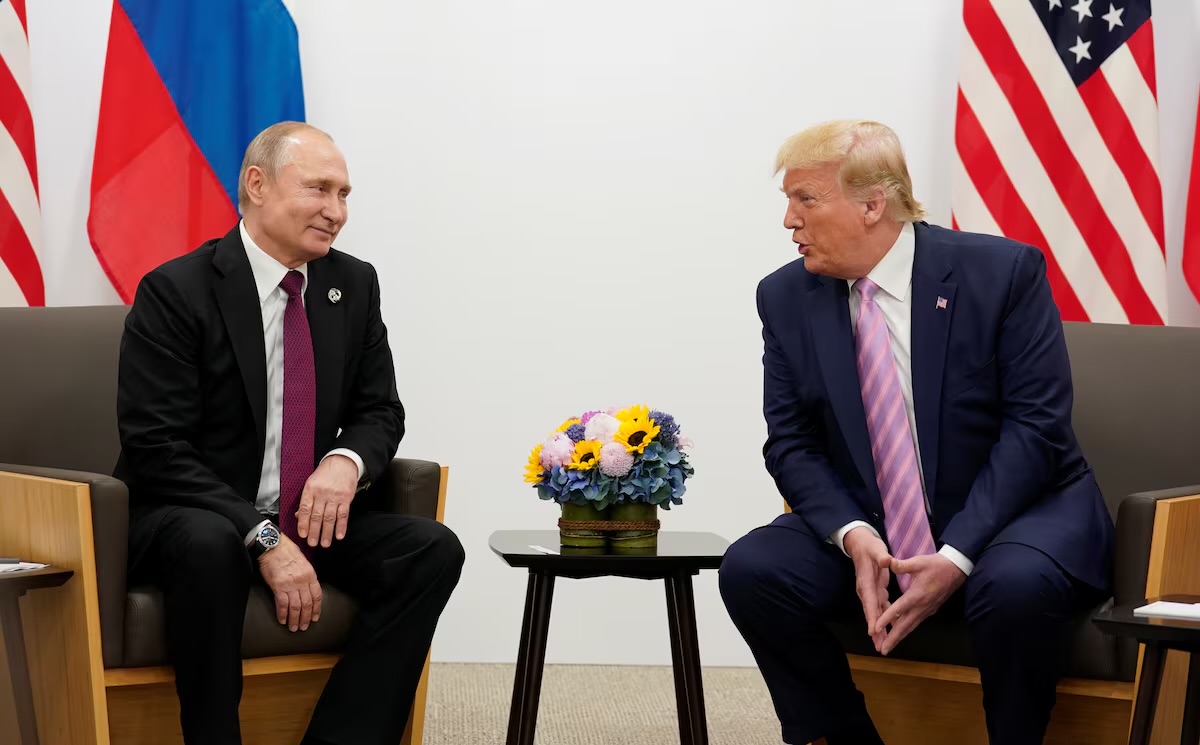

Putin-Trump Summit Signals a Bold Shift in U.S. Foreign Policy
By Hotspotorlando News
The Kremlin’s recent announcement that Russian President Vladimir Putin and U.S. President Donald Trump will meet in the coming days marks a pivotal moment in international relations. This development, coupled with Ukrainian President Volodymyr Zelenskyy’s consultations with European leaders, underscores a dynamic shift in how the United States approaches the ongoing Ukraine conflict. For conservatives, this moment represents both an opportunity and a challenge—one that demands a clear-eyed focus on American interests, strength, and pragmatic diplomacy.
The planned Putin-Trump summit, the first since 2021, signals a return to direct, no-nonsense engagement with global powers. Under the previous administration, U.S.-Russia relations plummeted to what Moscow called “below zero,” weighed down by heavy sanctions and a lack of meaningful dialogue. President Trump’s approach, however, appears to prioritize results over posturing. His administration has already shown its willingness to use economic leverage, imposing higher tariffs on nations like India for purchasing Russian oil and threatening further sanctions if Russia fails to move toward ending the Ukraine war. This hardline stance reflects a conservative principle: strength begets respect. By setting a firm deadline for Russia to act, Trump is reasserting America’s role as a decisive global leader, unafraid to wield its economic might to secure peace.
Critics, particularly those in liberal circles, may wring their hands over Trump’s willingness to engage directly with Putin. They argue it risks legitimizing Russia’s actions or sidelining Ukraine. But this perspective misses the broader point: diplomacy, especially with adversaries, is not about capitulation—it’s about advancing national interests. The Biden administration’s approach of endless sanctions and proxy support for Ukraine has prolonged the conflict, drained resources, and left Europe in a precarious energy crisis. Conservatives understand that peace through strength requires bold moves, not just moral grandstanding. Trump’s push for a summit suggests he’s willing to negotiate from a position of power, seeking a resolution that prioritizes stability and American economic interests over open-ended commitments to foreign wars.
Meanwhile, Zelenskyy’s scramble to confer with European leaders—Germany, France, and the European Commission—reveals his concern about being left out of the conversation. His insistence that Europe must play a role in any peace process is understandable but reeks of desperation. Ukraine, heavily reliant on Western aid, fears a deal that might not align with its maximalist demands. Yet conservatives should be wary of Zelenskyy’s call for a “dignified peace” that could lock the U.S. into indefinite support for Ukraine’s territorial ambitions. America’s focus must remain on its own security and economic prosperity, not on bankrolling a European conflict that shows no signs of resolution after three and a half years.
The specter of a trilateral meeting involving Trump, Putin, and Zelenskyy has been floated, though Russia has dismissed it for now. Putin’s reluctance to meet Zelenskyy directly, citing unmet conditions, suggests Moscow is playing a long game, hoping to extract concessions while maintaining its battlefield leverage. This is precisely why conservatives should support Trump’s strategy of applying pressure through sanctions and direct talks. Unlike the establishment’s preference for drawn-out proxy wars, Trump’s approach aims to cut through the stalemate, potentially saving lives and resources while reestablishing America’s diplomatic clout.
Some voices in Kyiv, like analyst Mykola Bielieskov, argue that offering Putin a summit with Trump is a reward without concessions. This critique ignores the reality of geopolitics: summits are not rewards; they are tools. By engaging Putin directly, Trump can clarify Russia’s intentions, test its willingness to compromise, and signal that America will not be drawn into an endless conflict. Conservatives have long championed a foreign policy that avoids entanglement in foreign quagmires while protecting national interests. Trump’s move to meet Putin aligns with this vision, aiming to broker a deal that stabilizes the region without committing American taxpayers to another forever war.
Zelenskyy’s talks with European leaders, including German Chancellor Friedrich Merz and European Commission President Ursula von der Leyen, highlight Europe’s desire to stay relevant in the peace process. But let’s be clear: Europe’s security is Europe’s responsibility. The U.S. has borne too much of the burden for too long, subsidizing NATO and Ukraine while European nations drag their feet on defense spending. Conservatives should applaud Trump’s insistence that Europe step up, as it forces our allies to take ownership of their backyard. Zelenskyy’s plea for European involvement is a reminder that Ukraine sees itself as part of the EU’s future, but it also underscores the need for Europe to shoulder more of the load.
As this summit looms, conservatives should rally behind a foreign policy that puts America first. Trump’s willingness to engage Putin directly, coupled with his readiness to use economic pressure, reflects a pragmatic approach to ending a war that has destabilized global markets and strained U.S. resources. The contrast with Zelenskyy’s European outreach is stark: while Ukraine seeks to preserve its leverage through moral appeals, Trump is playing a tougher game, one that prioritizes results over rhetoric. For conservatives, this is a moment to support a leader who understands that peace is achieved through strength, not sentimentality. The coming days will test whether this bold diplomacy can deliver, but one thing is certain: America is back at the table, and it’s playing to win.
Source Reuters