

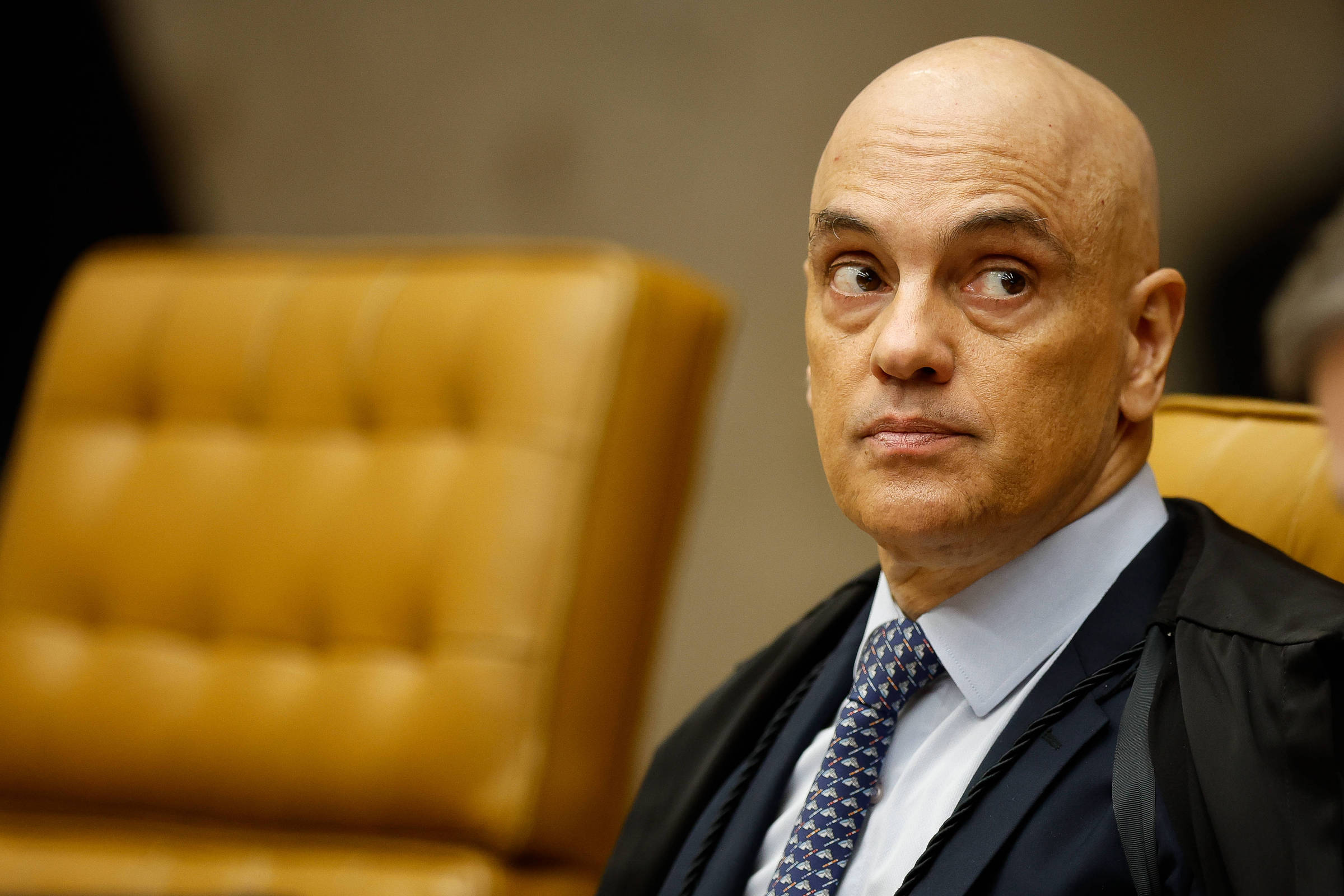

US House Judiciary Committee Report Condemns Brazilian Judge Alexandre de Moraes for Censorship and Political Persecution
By Hotspotnews
US House Judiciary Committee Report Condemns Brazilian Judge Alexandre de Moraes for Censorship and Political Persecution
A new interim staff report from the US House Judiciary Committee has sharply criticized Brazilian Supreme Court Justice Alexandre de Moraes, accusing him of leading a broad censorship regime that extends beyond Brazil’s borders and threatens free speech in the United States. Released on April 1, 2026, the document—titled “The Attack on Free Speech Abroad: The Case of Brazil Part III”—builds on earlier investigations from 2024 and presents fresh evidence of extraterritorial overreach by Brazilian authorities.
The report details how Justice Moraes and other Brazilian judicial officials have issued orders to American social media platforms, demanding the removal or suspension of accounts and content that criticize the Brazilian government or its institutions. These actions reportedly target not only Brazilians living abroad but also speech originating in the US, including posts by journalists, political commentators, and even content praising US President Donald Trump or criticizing former President Joe Biden.
According to the committee, platforms like X (formerly Twitter) and Rumble face a stark choice: comply with these demands or risk heavy fines, legal battles, and being forced to shut down operations in Brazil. When companies have resisted full compliance, Moraes has responded with penalties and blocking orders. The report highlights the use of global takedown requests that affect users on American soil, raising concerns about foreign interference in US-protected speech.
A significant focus of the document is the targeting of the Bolsonaro family and political opposition figures. The report explicitly points to specific secret orders issued by Justice Moraes against Eduardo Bolsonaro, a Brazilian congressman and son of former President Jair Bolsonaro, who currently lives in the United States. Between September 2025 and February 2026, Moraes issued multiple orders demanding that platforms such as Google, X, Meta, and Telegram turn over personal data on Eduardo Bolsonaro and impose restrictions on his accounts. These orders included clauses preventing the platforms from notifying the target about the measures.
The committee notes that Eduardo Bolsonaro is a key advocate for the United States to impose sanctions on Justice Moraes due to his censorship practices. In November 2025, while issuing these censorship orders, Moraes was among the Supreme Court justices who voted to put Eduardo Bolsonaro on trial in Brazil for his political advocacy in the US, including efforts related to protecting free speech and fair elections. One cited order accused Eduardo Bolsonaro of “the crime of spreading false information about Banco do Brasil” after he allegedly advised customers to withdraw money following US sanctions on Moraes.
The report argues that such actions appear politically motivated, especially as Brazil approaches its October 2026 presidential elections. Eduardo Bolsonaro’s older brother, Flavio Bolsonaro, is described as a leading candidate, with polls showing him virtually tied with incumbent President Luiz Inacio Lula da Silva. The committee warns that Justice Moraes’ censorship orders and lawfare against the Bolsonaro family and their supporters may significantly harm their ability to communicate online about matters of public importance in the lead-up to the vote, potentially undermining the integrity of the election by silencing dissenting voices and limiting public debate.
Committee findings suggest that Moraes’ campaign of “lawfare” and content suppression strikes at the heart of Brazilian democracy while threatening speech in America. Nonpublic documents obtained through US subpoenas reveal patterns of orders aimed at critics, including those accused of spreading “false news” or attacking democratic institutions—terms the report views as broadly applied to suppress opposition.
This latest report is part of an ongoing series by the Republican-led House Judiciary Committee examining foreign censorship efforts and their impact on American companies and users. Earlier installments documented similar pressures on platforms and the previous US administration’s response (or lack thereof). The new evidence includes hundreds of pages of decisions and orders, underscoring what the committee describes as a systematic effort to export Brazilian-style content controls.
Brazilian officials, including Supreme Court leaders, have pushed back against the accusations. They maintain that the measures address illegal activities, such as disinformation campaigns, digital militias, and threats to democracy following events like the 2023 unrest in Brazil. Justice Moraes’ defenders argue the actions target genuine crimes rather than protected political speech. The head of Brazil’s Supreme Court, Justice Edson Fachin, has described the differing views as “compreensões distintas” (distinct understandings) regarding freedom of speech protections.
The controversy has drawn international attention amid strained US-Brazil relations in recent years, including past US sanctions and visa restrictions on Brazilian judicial figures over concerns about politicized prosecutions and free expression. Supporters of the Bolsonaro movement, including Eduardo Bolsonaro himself, have amplified the report through detailed video analyses and public commentary, framing it as validation of long-standing claims of judicial overreach in Brazil.
As Brazil prepares for its next presidential contest, the House Judiciary Committee’s findings add to debates over judicial independence, platform liability, and the limits of national authority in a global digital space. The report calls attention to the challenges US tech companies face when foreign governments demand censorship that conflicts with American free speech principles.
This development highlights ongoing tensions between sovereignty, democracy, and expression in the online era, with implications that reach far beyond any single country or election.