


Cármen Lúcia’s Self-Defense at Fundação FHC: A Personal Shield That Crumbles Under Scrutiny of 2022 Electoral Decisions Favoring Lula
By Hotspotnews
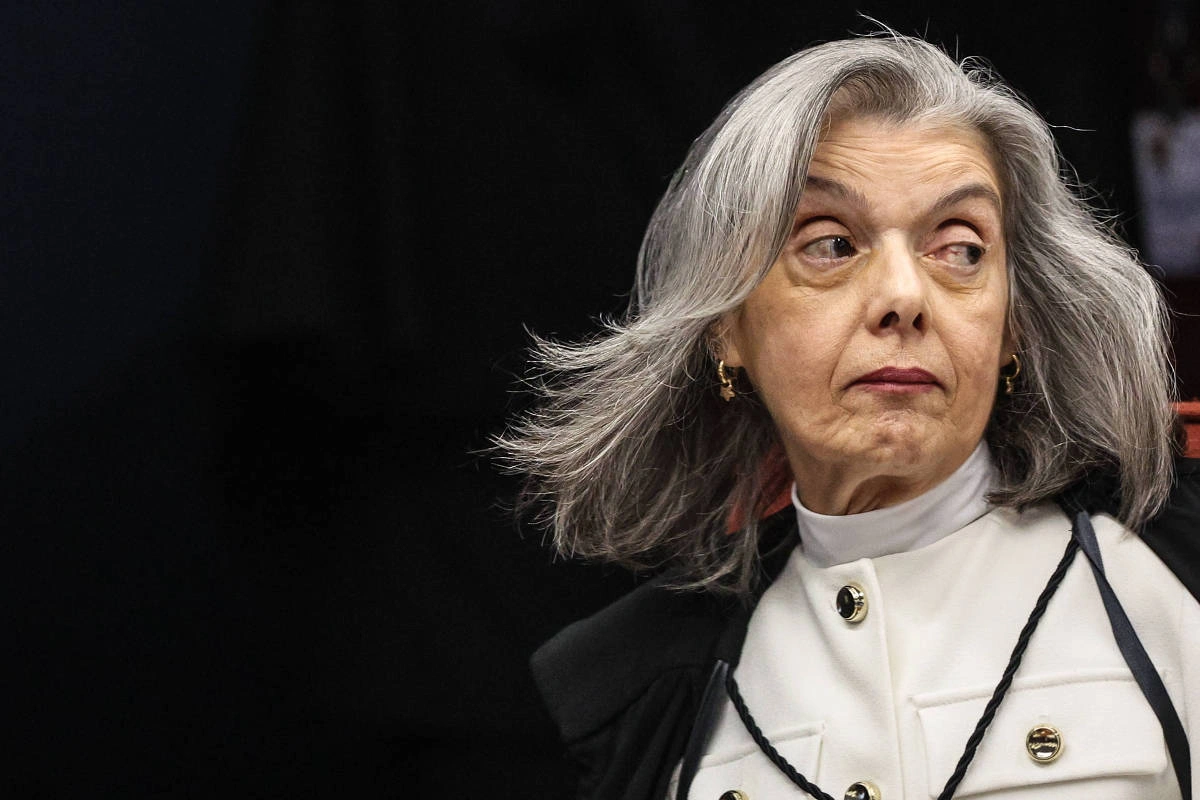
On April 13, 2026, Supreme Federal Court (STF) Minister Cármen Lúcia addressed an audience at the Fundação Fernando Henrique Cardoso in São Paulo during the event “O Brasil na visão das lideranças públicas.” Amid the ongoing Banco Master scandal—which has drawn intense public scrutiny to alleged ties between businessman Daniel Vorcaro and fellow ministers like Alexandre de Moraes and Dias Toffoli—she chose to focus heavily on her own record. “As far as I’m concerned, you can sleep easy. There’s not a single line of mine outside the law. I don’t do anything wrong,” she declared. She acknowledged the court’s “much more difficult” internal climate and unprecedented public questioning but framed her role as one of integrity, advocating for greater transparency through public agendas while rejecting resignation despite family pressure over what she called “sexist, machista, and demoralizing” attacks.
The speech, captured in circulating video clips, positioned Cármen Lúcia as personally untainted in a troubled institution. She noted the STF’s overload of cases and the broader societal distrust in institutions but stopped short of addressing systemic perceptions of bias. For critics, especially in conservative circles, this self-defense rings entirely futile. It sidesteps a documented pattern of her decisions during the 2022 presidential election cycle that many view as selectively protective of Luiz Inácio Lula da Silva’s campaign and punitive toward Jair Bolsonaro and his supporters. In Brazil’s polarized landscape, her claim of flawless conduct collides with actions that appeared to tilt the electoral playing field.
The Banco Master Context and Institutional Erosion
The immediate backdrop for her remarks is the Banco Master affair, involving allegations of influence peddling, fraud, and questionable financial connections linked to STF ministers. Public polls have reflected plummeting trust in the court, with distrust levels often exceeding 50 percent in recent surveys. Cármen Lúcia has not faced direct accusations in this specific scandal, allowing her to distance herself rhetorically: she cannot speak for the entire court but can vouch for her own actions. She called for ministers to engage more publicly while maintaining transparent schedules, suggesting this could ease internal tensions and rebuild public faith.
Yet this narrow personal defense ignores how the scandal amplifies long-standing complaints about judicial impartiality. Critics argue that selective transparency and accountability only highlight inconsistencies—defending one’s own “clean lines” while the court as a whole grapples with perceptions of favoritism that stretch back to the 2022 elections.
Key 2022 Decisions: A Pattern Perceived as Favoring Lula
Cármen Lúcia served as a minister on the Superior Electoral Court (TSE) during the heated 2022 campaign. Several of her votes and positions drew sharp accusations of bias, with outcomes that disproportionately benefited Lula’s side or restricted conservative voices. These instances form the core of why many dismiss her 2026 self-defense as hollow.
One prominent case involved the documentary “Quem Mandou Matar Jair Bolsonaro?” produced by Brasil Paralelo. In October 2022, shortly before the second round, Cármen Lúcia supported a preliminary injunction banning its exhibition and monetization. She acknowledged general opposition to censorship, stating that “we cannot allow the return of censorship under any argument in Brazil.” However, she justified the restriction as an “extraordinary” or “exceptional” measure due to the proximity of the election, arguing it safeguarded the “integrity and security” of the electoral process. The decision passed narrowly. Detractors pointed out the apparent contradiction: prior restraint on content critical of Lula’s narrative around the 2018 stabbing incident, enforced under the banner of electoral protection.
In contrast, later decisions under similar electoral timing—such as rulings on carnival parades or other public expressions with pro-Lula themes—did not trigger the same level of restriction, fueling charges of inconsistent standards. Critics highlighted how content unfavorable to one candidate faced swift blocks or demonetization, while parallels on the other side received more lenient treatment.
Another flashpoint was the TSE’s handling of the case declaring Bolsonaro ineligible for eight years. In June 2023 (stemming from 2022 events), Cármen Lúcia’s vote helped form the majority against him. The matter centered on a July 2022 meeting with foreign ambassadors where Bolsonaro questioned the reliability of Brazil’s electronic voting system, allegedly misusing public resources and his position for pre-campaign purposes. She described it as a “monologue of electoral character” that undermined trust in the electoral justice system without evidence, involving improper use of state media like TV Brasil. Her reasoning emphasized the qualitative gravity of the conduct in eroding democratic foundations. Bolsonaro supporters saw this as part of a broader pattern: aggressive enforcement against right-leaning challenges to institutional narratives, while Lula’s campaign benefited from a more permissive environment on disinformation cases.
During the campaign itself, the TSE under ministers including Cármen Lúcia enforced measures against alleged fake news and abuse of power. This included content removals, demonetizations, and replies ordered on outlets perceived as critical of Lula. Reports from the period noted a disparity—dozens of decisions favoring Lula’s requests compared to far fewer for Bolsonaro’s side in fake news disputes. While defenders frame these as necessary “electoral hygiene” to combat disinformation threatening the process, opponents label them selective censorship that chilled speech on one side of the political divide. Cármen Lúcia has consistently defended such steps as time-bound and lawful responses to exceptional risks, not general prior restraint.
These rulings occurred against a backdrop where the TSE, with input from figures like Alexandre de Moraes (then TSE president), pushed resolutions on combating disinformation. Conservative accounts and media faced blocks or penalties at higher rates, contributing to narratives of an uneven playing field that ultimately aided Lula’s narrow victory.
Why the Self-Defense Falls Short
Cármen Lúcia’s April 2026 speech directly confronts the STF’s credibility crisis but frames it in personal and procedural terms: her clean record, calls for transparency, and resilience against attacks. She admits the environment is tense and that the court must demonstrate service to the people, yet she offers no reflection on how 2022 decisions—viewed by millions as biased enforcement favoring Lula—contributed to today’s distrust. By emphasizing “I don’t do anything wrong” without engaging those specific controversies, the defense appears selective, insulating her image while the institution bears the weight of accumulated grievances.
In replies to videos of the speech and conservative commentary, common refrains include accusations of hypocrisy on censorship, complicity through silence on colleagues’ issues, and a pattern where judicial power protected one political project while targeting another. Supporters of her position counter that the decisions upheld constitutional electoral rules against threats like disinformation and abuse of power, attributing bias claims to sour grapes from the losing side. No formal ethics body has ruled her 2022 actions illegal.
Nevertheless, in a deeply divided Brazil, perception shapes legitimacy. Public trust in the STF remains fragile, exacerbated by scandals like Banco Master. Cármen Lúcia’s refusal to revisit or acknowledge criticisms of her electoral record leaves her self-defense vulnerable: it defends personal legality but does little to address why so many Brazilians see the court—and her role within it—as having favored one candidate in 2022. Without confronting that history, calls for transparency and better “coexistence” risk sounding like institutional preservation rather than genuine accountability.
The speech underscores a larger tension: justices defending individual probity amid collective skepticism. For those who view the 2022 process as marred by selective rulings tilting toward Lula, Cármen Lúcia’s words provide little reassurance. They highlight instead a persistent divide where judicial self-assurance meets public demands for even-handedness that many believe went unmet during the decisive election year.