

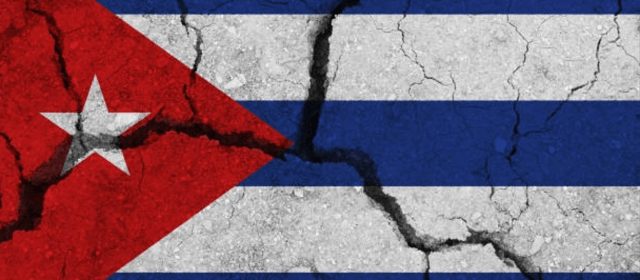

The Fall of Havana: Socialism’s Last Stronghold Collapses
By Hotspotnews
The collapse of the Cuban communist regime is no longer speculation—it’s accelerating toward inevitability in early 2026.
The starkest indicator came at the end of January when **Unilever**, the British-Dutch multinational powerhouse, evacuated the families of its expatriate employees from the island. This move by a major foreign investor isn’t panic; it’s prudent risk management. Prolonged, island-wide blackouts lasting days, acute fuel shortages grinding transportation and industry to a halt, and skyrocketing prices for essentials have made normal operations untenable. When a global corporation begins relocating dependents, it’s because the situation has crossed from difficult to dangerous.
The root cause traces directly to January 3, when U.S. forces captured Venezuelan dictator Nicolás Maduro, severing the subsidized oil lifeline that had kept Cuba’s lights flickering for decades. Venezuela supplied the bulk of Cuba’s energy needs; without it, and with Mexico pressured into halting shipments under threat of U.S. tariffs, Havana faces an existential energy crisis. Reserves are reportedly dwindling to weeks or less, threatening not just power but food preservation, medical care, water pumping, and basic economic activity.
President Donald Trump has been characteristically direct: Cuba “looks like it is ready to fall,” he stated shortly after Maduro’s capture, adding that the regime has “no income” left without Venezuelan support. Secretary of State Marco Rubio, a fierce advocate for liberty in the hemisphere and himself a son of Cuban exiles, has echoed the sentiment, refusing to rule out supporting change and warning Havana that it faces serious trouble. The administration’s strategy is clear and principled—apply maximum economic pressure by cutting off the regime’s external props, isolate the dictatorship, and empower the Cuban people to determine their own future. No endless concessions, no illusions of gradual reform from tyrants who have oppressed for over six decades.
This moment exposes the fundamental failure of socialism once again. Centralized planning, suppression of free markets, and dependence on authoritarian patrons produce only scarcity, repression, and eventual breakdown. The same pattern destroyed the Soviet Union, devastated Venezuela, and now threatens to bury what’s left of the Castro-Díaz-Canel experiment. The São Paulo Forum’s vision of a resilient leftist alliance across Latin America lies in tatters as its key pillars crumble.
For ordinary Cubans—who have faced decades of rationing, political prisons, beatings for dissent, and mass exodus—the current crisis offers genuine hope. The regime’s survival has always rested on external subsidies and internal terror; strip away the former, and the latter becomes unsustainable. Protests, though brutally suppressed, have grown bolder in recent years. With the lights out and stomachs empty, patience is wearing thin.
The endgame may not require American boots on the ground. It could come through internal fracture, defections among elites sensing the end, or simply the regime’s inability to provide even the most basic services. When that red flag finally falls in Havana, it will mark not an American conquest but the natural consequence of a bankrupt ideology that promised paradise and delivered poverty.
Conservatives have long understood that freedom, free enterprise, and limited government deliver prosperity and dignity—principles the Cuban people have been denied for too long. Their liberation would be a triumph of human spirit over tyranny, a powerful reminder to the world that oppressive systems eventually collapse under their own weight.
The Cuban people have suffered enough. Their day of freedom draws near.