


The Hidden Hands Behind Felipe Neto’s Instituto Vero: A Conservative Perspective
By Hotspotnews
A troubling revelation emerges from the digital shadows of X, shedding light on the murky finances of Brazilian influencer Felipe Neto’s Instituto Vero. This organization, cloaked in the noble guise of combating disinformation, appears to be a well-funded vehicle for progressive agendas, raising serious questions about who truly holds the reins of public discourse in our increasingly polarized world.
At the heart of this concern is the institute’s financial backing, which includes a notable $30,000 infusion from the U.S. Embassy in 2023. For conservatives, this is a red flag—an indication that American taxpayer dollars, under the current administration, may be funneled overseas to shape narratives that align with left-leaning ideologies. The involvement of the Open Society Foundations, spearheaded by billionaire George Soros, only deepens the unease. Known for his vast philanthropy—estimated at over $30 billion—Soros has long been a lightning rod for criticism, with many on the right viewing his global influence as a threat to national sovereignty and traditional values. His funding of initiatives since 1979, starting with scholarships for Black South Africans under apartheid, has morphed into a sprawling network that some argue prioritizes progressive causes over balanced discourse.
But the funding trail doesn’t stop there. Instituto Vero also draws support from tech giants like Meta, the parent company of WhatsApp, and Brazilian delivery behemoth iFood, alongside other entities such as the International Center for Journalists and the Instituto Serrapilheira. This corporate and international coalition suggests a coordinated effort to control the flow of information, a move that conservatives see as an assault on free speech. The idea that private interests, often aligned with globalist agendas, are bankrolling efforts to define what constitutes “disinformation” is alarming. It raises the specter of a new censorship regime, where dissenting voices—particularly those rooted in faith, family, and patriotism—are silenced under the pretext of protecting the public.
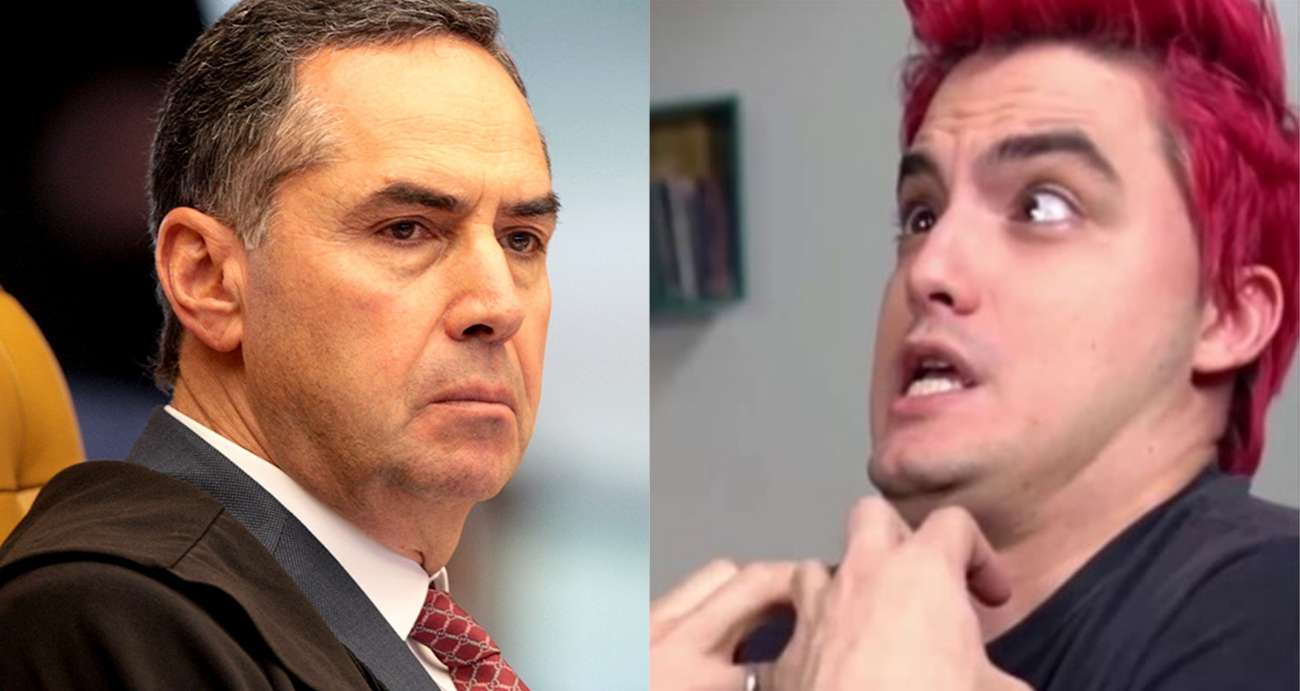
A telling sign of Neto’s deep ties to the establishment predates this financial web. On July 30, 2020, he participated in a live event with Supreme Court Justice Luís Roberto Barroso, hosted by the Jota channel, ostensibly to discuss fake news and engage youth. This collaboration, however, flopped spectacularly—garnering 152,000 dislikes against just 3,400 likes on YouTube—revealing a public rejection of what many saw as an elitist alliance. Amid his own battles with online attacks, including false pedophilia allegations after criticizing President Jair Bolsonaro’s COVID-19 response, Neto’s cozy exchange of WhatsApp messages with Barroso and his role in advocating the proposed Fake News Law suggested he was already in bed with the judicial and political elite. This event, rather than boosting his credibility, exposed his alignment with a progressive establishment eager to regulate discourse, a move conservatives viewed as an early indicator of his current role as a funded mouthpiece.
The historical context only amplifies these concerns. The International Center for Journalists, with roots in bold journalistic endeavors like the Pentagon Papers, once stood for uncovering truth. Yet, its association with Neto’s institute hints at a pivot toward shaping narratives rather than exposing them. Meanwhile, Soros’s legacy, while lauded by some for advancing human rights, is seen by others as a tool for undermining Western values, a view reinforced by his support for causes that often clash with conservative principles.
From a conservative standpoint, this is more than a financial scandal—it’s a cultural battle. The term “disinformation” itself has become a weapon, wielded by those who seek to delegitimize alternative viewpoints under the guise of moral superiority. The involvement of corporate titans like Meta, with its vast social media reach, suggests a chilling alliance between big business and big government, reminiscent of the very monopolistic tendencies conservatives have long opposed. Neto’s 2020 live with Barroso serves as a stark reminder that his current funding is not a new development but a continuation of his established role within this network.
The solution lies in vigilance and accountability. Americans and Brazilians alike must demand transparency from their governments and corporations, questioning why public funds and private profits are being channeled into what appears to be a progressive echo chamber. Conservatives should rally for policies that protect free expression, ensuring that no single ideology—however well-funded—can dominate the marketplace of ideas. The fight for truth is not just about facts; it’s about preserving the liberty to seek them. As dawn breaks on September 15, 2025, this is a call to action for those who cherish the principles that have long defined the West.
Ask again why Felipe Neto is in the US! There is more to it than we imagined