


The Perils of Brazil’s Pivot to China: A Conservative Perspective on UnionPay’s Entry and the Impact on Pix
By:Laiz Rodrigues
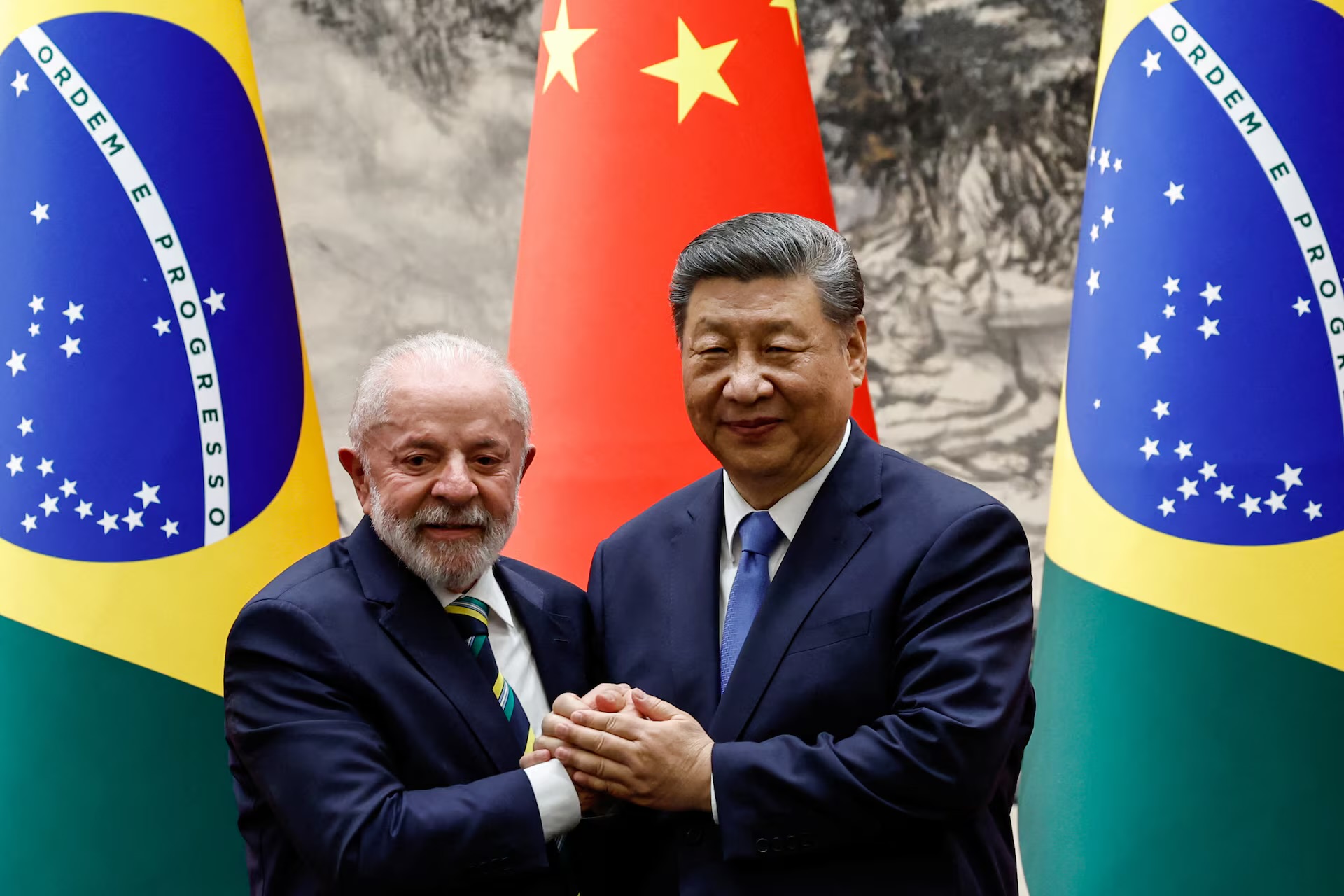
In a world where economic alliances are as much about power as they are about prosperity, Brazil’s recent embrace of UnionPay, China’s largest card operator, signals a troubling shift away from Western financial systems. This move, occurring amidst threats from the United States to exclude Brazil from the SWIFT network, is not merely a financial decision but a geopolitical statement that warrants careful scrutiny from a conservative standpoint. The potential impact on Brazil’s Pix payment system, a cornerstone of its digital financial infrastructure, further amplifies the stakes of this pivot.
The Strategic Entry of UnionPay
The SWIFT system, the backbone of global financial transactions, has long been a symbol of Western economic dominance and stability. Its potential exclusion of Brazil, as warned by figures like Eduardo Bolsonaro, would be catastrophic, severing the country from the very lifelines of international trade and investment. Yet, rather than fortifying ties with traditional allies, the Brazilian government, under President Lula, appears to be courting an alternative in China, a nation whose economic model and geopolitical ambitions are fundamentally at odds with conservative values of free markets and individual liberty.
UnionPay’s entry into Brazil, facilitated by the fintech Left, is portrayed as a strategic counter to U.S. tariffs and sanctions. However, this narrative overlooks the deeper implications. China’s financial systems, such as the Cross-Border Interbank Payment System (CIPS), are not independent entities but extensions of a state-controlled apparatus that prioritizes national interest over global cooperation. The integration of UnionPay into Brazil’s financial landscape is less about economic diversification and more about entanglement in a web of Chinese influence, where transparency and accountability are often sacrificed on the altar of state power.
Impact on Pix: A Multifaceted Threat
Pix, Brazil’s instant payment system, has rapidly become a cornerstone of the country’s financial infrastructure, displacing traditional private-sector competitors and facilitating seamless domestic transactions. Its success is rooted in its efficiency, accessibility, and alignment with global trends towards digital payments. However, the introduction of UnionPay, with its own payment infrastructure and potential integration with CIPS, poses a significant threat to Pix’s dominance.
1. Threat to Pix’s Dominance
The U.S. investigation into Brazil’s digital trade practices, as initiated by the Trump administration, specifically highlights Pix. This scrutiny is part of a larger strategy to maintain the dollar’s hegemony and limit the influence of alternative payment systems like those promoted by BRICS countries, including Brazil. If sanctions are imposed, Pix could face restrictions that hinder its ability to process international transactions, thereby undermining its utility and appeal. UnionPay’s entry might mitigate some of these effects by providing an alternative channel, but it does so at the cost of deepening dependency on China.
2. Geopolitical Realignment and Economic Pressure
If Brazil is excluded from SWIFT, the U.S. might target Pix as part of broader sanctions, aiming to disrupt its role in international transactions. This could force Pix to adapt or risk obsolescence in global trade, especially if businesses and consumers turn to UnionPay for cross-border payments. The shift towards CIPS, while capable of handling international transactions without SWIFT, operates under Chinese oversight, potentially subjecting Pix to new forms of control and surveillance. This could compromise the autonomy and integrity of Brazil’s financial systems, aligning them more closely with Chinese interests rather than maintaining independence.
3. Economic and Social Implications
Pix’s role in facilitating exports is crucial, especially for small and medium-sized enterprises (SMEs) that rely on its efficiency. If U.S. sanctions target Pix, Brazilian exporters could face significant hurdles, potentially leading to economic downturns and increased inflation. For Brazilian consumers, the shift could mean a dual payment ecosystem, with Pix remaining dominant domestically but UnionPay gaining traction for international transactions. This could lead to confusion and additional costs, as businesses adapt to new systems. Moreover, the social credit aspects of Chinese financial systems could indirectly influence Brazilian consumers, raising concerns about privacy and freedom.
4. Long-Term Strategic Risks
Brazil’s participation in BRICS and the push towards “BRICS Pay” aim to reduce reliance on the U.S. dollar and SWIFT. While this aligns with a broader global trend, it also risks isolating Brazil from Western financial networks. Pix, as a national asset, could be leveraged within this new framework, but its effectiveness would depend on the success of CIPS and UnionPay in gaining global acceptance. From a conservative viewpoint, the erosion of Pix’s independence and its potential subordination to Chinese systems represent a loss of sovereignty. The conservative ideal of a free market, unencumbered by state control, is threatened by this shift. Furthermore, the long-term strategic risk is that Brazil becomes a battleground in the U.S.-China economic rivalry, with Pix caught in the crossfire.
Conservative Concerns and Recommendations
Conservatives must recognize that this pivot is not just an economic realignment but a cultural and ideological one. The Chinese model, with its emphasis on state-directed capitalism and social credit systems, stands in stark contrast to the principles of free enterprise and personal freedom that have underpinned Western prosperity. The arrival of UnionPay, therefore, is not a benign expansion of choice but a potential Trojan horse, introducing a system where economic transactions are monitored and controlled by an authoritarian regime.
The impact on Pix from UnionPay’s entry and the threat of SWIFT exclusion is a microcosm of larger geopolitical shifts. For conservatives, the primary concern is the preservation of economic freedom and national sovereignty. Pix, as a symbol of Brazilian innovation and independence, must be protected from becoming a pawn in the U.S.-China rivalry. The challenge lies in navigating these waters without sacrificing the principles that underpin a free and prosperous society.
Policy Recommendations:
– Strengthen Domestic Institutions: Rather than relying on foreign alternatives, Brazil should invest in strengthening Pix and its domestic financial infrastructure to withstand external pressures. This includes enhancing cybersecurity, ensuring regulatory independence, and fostering innovation.
– Diplomatic Engagement: Engage in diplomatic efforts with the U.S. to mitigate sanctions and protect Pix. This could involve negotiations to preserve Brazil’s access to SWIFT while addressing U.S. concerns about digital trade practices.
– Caution with China: While economic partnerships with China are inevitable, they should be approached with caution. Conservatives would advocate for maintaining a balance that does not compromise core values or national sovereignty. This means ensuring that UnionPay’s role is limited and does not undermine Pix or other domestic systems.
The entry of UnionPay into Brazil is a watershed moment that demands a conservative reckoning. It is a reminder that economic decisions are never made in a vacuum but are deeply intertwined with the broader struggle for freedom and prosperity. As Brazil stands at this crossroads, the choice should be clear: to resist the siren call of Chinese influence and recommit to the principles that have long guided the free world. Anything less would be a betrayal of the very foundations upon which a thriving, independent Brazil must be built. The path forward should prioritize resilience, dialogue, and a steadfast commitment to the values that have historically guided Brazil towards stability and growth. The preservation of Pix, as a symbol of national innovation and sovereignty, is paramount in this endeavor.