



THIS IS WHY IMPEACH IS THE ONLY WAY⚖️👀
By Hotspotnews
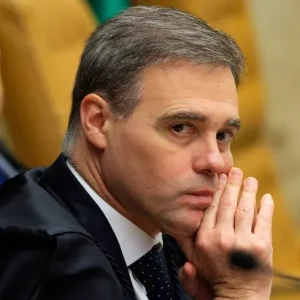
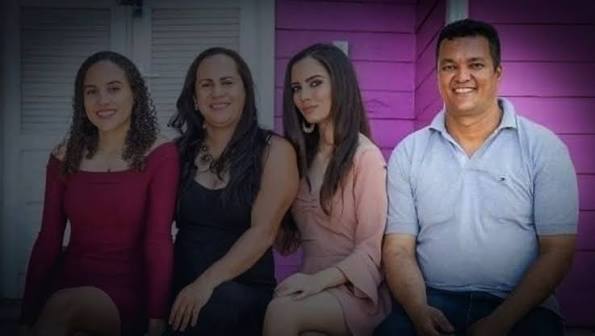
Cleriston Pereira da Cunha should still be alive. He is not, and the minister who kept him in a cell after prosecutors said he should go home has never had to answer for it. He is the best-known name on a longer list. That list is the case for impeaching Alexandre de Moraes.
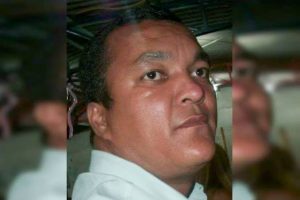

He was not the only defendant who died while a case was still open. By April 2025, Poder360 counted six réus who had died during Supreme Court proceedings. Family associations later added more. The names:
- Antônio Marques da Silva, 49, of Barra do Garças, Mato Grosso. Arrested on 9 January 2023 at the Army headquarters camp, later under house arrest and an ankle monitor. Died on 29 October 2023 of severe head trauma and neurogenic shock after a fall. He left a widow and children.
- Cleriston Pereira da Cunha, 46, of Vicente Pires. The only one of the early cases to die inside Papuda, on 20 November 2023.
- Giovanni Carlos dos Santos, 46, of São José dos Campos, São Paulo. Released in March 2023 with an ankle monitor. Died on 24 January 2024 after falling from a ladder while cutting tree branches at his parents’ house.
- Éder Parecido Jacinto, 58, a truck driver from Redenção, Pará. Held in Papuda for about seven months, then released in August 2023. Died at home on 2 March 2024 of generalized infection after falling from scaffolding while repairing his truck, with a broken femur and spine. He left five children.
- Kleber de Freitas, 44, a radiology technician from Borrazópolis, Paraná. Provisional freedom from March 2023. Died at his parents’ house on 10 May 2024. A request to loosen his restrictions so he could care for a sick father and a disabled son had not been answered.
- Jony Figueiredo da Silva, 44, of Planaltina, in the Federal District. Died on 27 September 2024 at the regional hospital of cardiac arrest, acute pulmonary edema, and valvular heart disease, the day before a hearing. He was still under an ankle monitor.
- Marco Aurélio Gonçalves Pedroso, of Cuiabá, Mato Grosso. Died of leukemia in April 2025. He had signed a non-prosecution agreement the year before. Family groups list him as the seventh.
- José Fernando Honorato, 58, a retired federal police officer. Died of pancreatic cancer on 19 November 2025 after nearly two years under Moraes’s precautionary measures, including an ankle monitor during treatment and blocked assets. The criminal case was closed days later because he was dead. He was never tried.
- José Éder Lisboa, 57. Convicted by the Supreme Court to 14 years and six months, then a fugitive in Argentina. Reported dead there in March 2026 after a hospitalization.
Some of these deaths were accidents. Some were cancer, heart disease, or leukemia. Only Clezão died in the prison itself. A conservative argument does not need to pretend a fall from a ladder was a state execution. It does need to say what the pattern is: people kept for months before trial, then released into ankle monitors, job bans, unanswered health petitions, and cases that outlived the defendants. Moraes was the judge on that file.
The 8 January invasions were crimes. Smashing the Congress, the Planalto, and the Supreme Court is not protest. People who did it can be punished. Punishment in a republic still runs through law, not through one minister’s calendar. Pretrial detention is an exception. A health petition is not a suggestion the judge may ignore until the defendant dies. Emergency care in a state prison is not optional. When those rules fail and the same minister remains both the cause of the detention and the judge of his own conduct, the remedy is not another motion in his own court.


Impeachment is not amnesty, and it is not a pardon for vandalism. It is the ordinary constitutional brake on a judge who has stopped behaving like one. Those families do not get their dead back either way. The country can still decide that no minister gets to leave a sick man in Papuda until the yard kills him, leave the others under an open case until illness or an accident does the same, and then keep the gavel.
#ImpeachmentMoraes #ForaMoraes #Clezão #JustiçaPorClezão #8deJaneiro #PresosDo8deJaneiro #STF #AlexandreDeMoraes #Papuda #CrimeDeResponsabilidade #AnistiaJá #DitaduraDaToga
Sources behind the names and the Papuda death:
• Poder360, 20 April 2025, on the six defendants who died during Supreme Court proceedings (Cunha, Jacinto, Freitas, Marques da Silva, dos Santos, Figueiredo da Silva). [web:57]
• CNN Brasil, 24 November 2023, on the Federal District Public Defender’s report: slow aid, no defibrillator, no oxygen cylinder. [web:47]
• Gazeta do Povo, 6 March 2024, on early deaths and illnesses among 8 January detainees. [web:31]
• Estadão Verifica, 8 March 2024, distinguishing Cunha’s death in custody from later deaths while on provisional release. [web:41]
• Family-association account of the seven names through Marco Aurélio Gonçalves Pedroso, January 2026. [web:58]
• Conexão Política, 21 January 2026, on José Fernando Honorato’s death from pancreatic cancer before trial. [web:50]
• O Globo, 28 March 2026, on José Éder Lisboa’s death in Argentina after a 14-year sentence. [web:51]


