

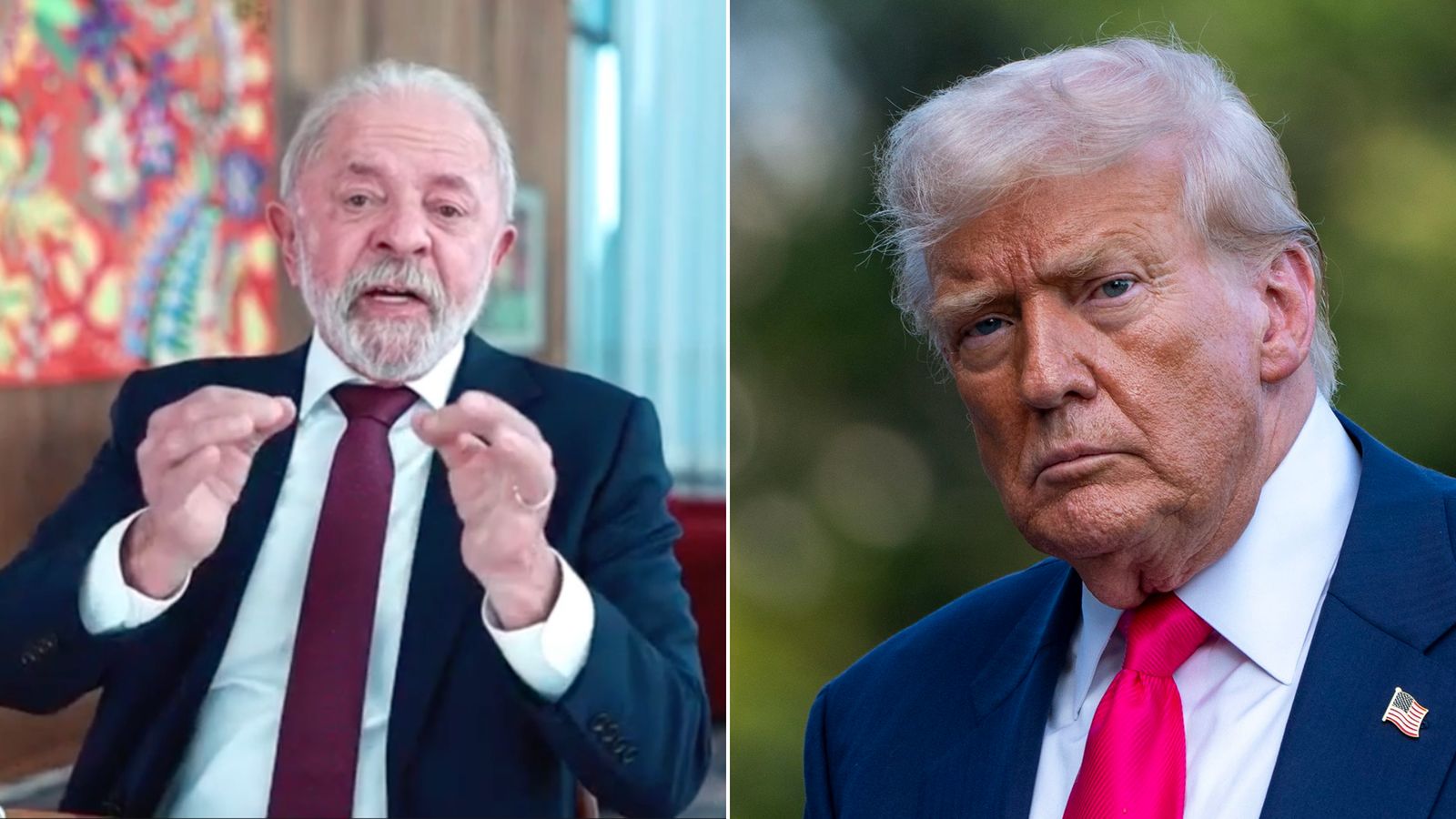

Trump Administration Strikes Back Against Global Forced Labor Exploitation with Sweeping Trade Investigations
By Hotspotnews
In an uncompromising stand for American workers, human rights, and genuine free trade, the Trump administration has launched one of the most sweeping trade enforcement actions in recent memory. On March 12, 2026, the Office of the United States Trade Representative formally initiated Section 301 investigations into 60 major trading economies—including longtime allies and strategic competitors alike—for their persistent failure to prohibit and effectively block the importation of goods made with forced labor.
This is not mere rhetoric. It is a direct, evidence-based response to a corrosive global practice that artificially lowers production costs, undercuts honest American manufacturers, and perpetuates modern-day slavery on an industrial scale. Ambassador Jamieson Greer, delivering the administration’s position with characteristic clarity, stated that American businesses and workers “should never be forced to compete against foreign producers who gain an unfair edge through the exploitation of coerced labor.”
The targeted economies account for more than 99 percent of U.S. imports in recent years. Their inclusion sends an unmistakable message: no nation, regardless of its diplomatic or economic ties to Washington, will be permitted to profit from—or turn a blind eye to—forced labor within its supply chains while expecting unrestricted access to the American market.
Among the named countries is Brazil, whose inclusion reflects not only gaps in import enforcement but also recent, highly publicized labor scandals involving foreign investment projects on Brazilian soil. The administration’s action underscores a core conservative principle: true free trade must be fair trade, grounded in respect for human dignity and the rule of law. Anything less distorts markets, destroys jobs, and betrays the moral foundation of civilized commerce.
With public comment periods now open and hearings forthcoming, the United States is inviting the world to either strengthen its defenses against forced-labor imports or face the consequences of continued complicity. The era of looking the other way is over.
Trump Administration Strikes Back Against Global Forced Labor Exploitation with Sweeping Trade Investigations
In a decisive move to protect American workers and uphold fundamental human dignity, the United States Trade Representative (USTR), under the leadership of Ambassador Jamieson Greer, has initiated a series of Section 301 investigations targeting 60 major trading partners. These probes focus on the failure of foreign governments to impose and effectively enforce prohibitions on the importation of goods produced through forced labor. Announced on March 12, 2026, this action represents a bold step in President Trump’s America First agenda, ensuring that the United States no longer subsidizes abhorrent practices that distort global markets and undermine fair competition.
Section 301 of the Trade Act of 1974 empowers the USTR to investigate and respond to unreasonable or discriminatory foreign acts, policies, or practices that burden or restrict U.S. commerce. The current investigations examine whether these 60 economies—representing over 99% of U.S. imports in recent years—have taken sufficient steps to ban imports of forced-labor goods. Ambassador Greer emphasized that “for too long, American workers and firms have been forced to compete against foreign producers who may have an artificial cost advantage gained from the scourge of forced labor.” This artificial advantage not only harms U.S. industries but also perpetuates human suffering on a massive scale.
The list of targeted economies includes major partners such as China, the European Union, India, Mexico, Canada, Brazil, the United Kingdom, Australia, Japan, South Korea, Vietnam, and many others. Notably absent from a separate but related probe on structural excess capacity in manufacturing, Brazil nevertheless faces scrutiny here due to ongoing concerns about enforcement gaps. These investigations are not punitive toward allies but a call for accountability: nations must demonstrate robust external-facing laws and enforcement mechanisms to prevent forced-labor products from entering international supply chains.
Forced labor remains a persistent blight on the global economy, enabling artificially low production costs that disadvantage ethical producers. By failing to prohibit such imports, foreign governments allow goods tainted by coercion—whether through debt bondage, passport confiscation, excessive hours under duress, or human trafficking—to compete unfairly against American-made products. This not only erodes U.S. manufacturing jobs but also rewards regimes and companies that exploit vulnerable workers.
Brazil’s inclusion highlights specific enforcement challenges amid deepening economic ties with foreign investors. High-profile incidents at a major electric vehicle factory construction site in Bahia involved over 160 Chinese workers subjected to degrading conditions, including passport withholding, substandard living quarters, and excessive work hours for minimal pay. Brazilian authorities intervened, rescuing workers and securing a substantial civil settlement from the involved parties in late 2025. While these domestic violations occurred under contractor oversight, they underscore broader questions about Brazil’s ability to prevent forced-labor goods from entering global trade flows, particularly as Chinese investments expand in key sectors.
The Trump administration’s approach prioritizes American sovereignty and moral leadership. These probes aim to level the playing field by encouraging foreign governments to strengthen their import bans and enforcement regimes, aligning with longstanding international consensus against forced labor. Potential remedies, if violations are confirmed, could include tariffs or import restrictions—tools designed to restore fairness without unnecessary escalation.
Public input will play a vital role: written comments are invited through mid-April 2026, with hearings scheduled shortly thereafter. This transparent process ensures that stakeholders, including U.S. businesses, workers, and affected industries, can contribute to a thorough evaluation.
By confronting forced labor head-on, the United States reaffirms its commitment to free and fair trade rooted in human rights and economic justice. American workers deserve competition based on innovation and hard work—not exploitation. This administration’s resolute action sends a clear message: the era of turning a blind eye to modern slavery in global supply chains is over.