


Trump’s Hammer Falls on Brazil’s Narco-Terrorists: How PCC and CV Terror Designations Will Rock Lula’s Failing Regime
By Hotspotnews
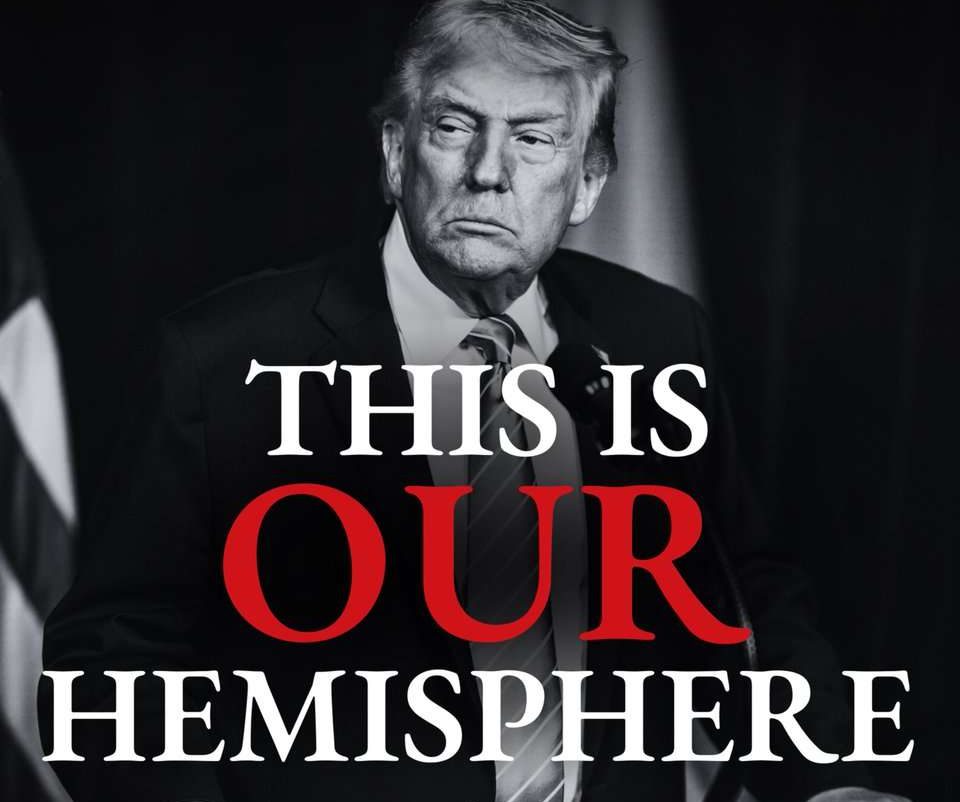
In a decisive blow for law and order that puts American strength and Brazilian lives first, the Trump administration is moving to designate Brazil’s deadliest criminal empires—the Primeiro Comando da Capital (PCC) and Comando Vermelho (CV)—as foreign terrorist organizations. This isn’t some bureaucratic footnote. It’s a full-spectrum financial assault: asset freezes, global banking blacklists, and sanctions that reach every dollar, euro, or real tied to these gangs. For Brazil, the consequences are immediate, painful, and long overdue. Under President Luiz Inácio Lula da Silva’s left-wing government, the country has watched these cartels turn favelas and prisons into war zones while officials lecture about “sovereignty.” Now the bill is coming due.
The economic fallout will hit Brazil like a sledgehammer. PCC and CV aren’t street thugs—they run multibillion-dollar empires in cocaine trafficking, money laundering, and extortion that bleed into legitimate businesses, banks, and even parts of the financial system. Once designated, any Brazilian bank or company with even indirect exposure risks losing access to the U.S. dollar system, the lifeblood of international trade. Compliance costs will skyrocket as institutions scramble to audit clients, freeze accounts, and sever ties. Small businesses in border states and port cities that unwittingly handled tainted funds could face sudden ruin. Remittances from overseas workers—vital for millions of Brazilian families—will come under harsher scrutiny. The very economy Lula claims to champion will feel the squeeze, exposing how his soft policies have let criminal cash corrupt everything from real estate to agriculture.
Politically, this is dynamite for Brazil’s 2026 elections. Bolsonaro supporters and conservative voices have long warned that Lula’s ideology-first approach—prioritizing alliances with leftist regimes over crushing domestic crime—has emboldened the gangs. Now the U.S. is forcing the issue. Lula’s team is already screaming “sovereignty” and “imperialism,” but ordinary Brazilians living under cartel control in the favelas and prisons know the truth: these groups have turned Brazil into a narco-state battlefield with thousands dead every year. The terror label hands the right-wing opposition a powerful weapon. It proves what conservatives have said all along—crime isn’t a “social issue” to be managed with welfare programs; it’s a national security emergency that demands strength. Lula’s resistance will only make him look weak and out of touch, accelerating the momentum for leaders who put Brazilian security first.
Security-wise, the designation could finally break the gangs’ back. By choking off their international financing, the U.S. move disrupts the cash flows that buy weapons, bribe officials, and expand territorial control. PCC and CV operate like armies, not mere gangs—controlling prison systems, orchestrating mass riots, and flooding streets with drugs and violence. For too long, Brazil’s response has been half-measures and political theater. American pressure changes the game, opening doors for real intelligence sharing, joint operations, and the kind of aggressive policing that actually works. Families in Rio, São Paulo, and the Amazon borderlands stand to gain the most: fewer drive-by shootings, fewer children recruited into crime, and fewer communities held hostage. Conservatives have always argued that sovereignty means protecting your own people first—not shielding criminals from accountability.
Of course, Lula’s government will frame this as foreign meddling. That’s the same playbook they’ve used to dodge responsibility for skyrocketing homicide rates and prison takeovers. But true sovereignty isn’t the right to let narco-terrorists thrive unchecked; it’s the duty to safeguard citizens and borders. The Trump administration’s action reminds the world—and Brazil—that strong nations don’t tolerate threats that spill across oceans and continents. Brazilian conservatives have welcomed this pressure as the wake-up call the country desperately needs.
The coming months will test Lula like never before. Banks will scramble, politicians will posture, and the cartels will lash out. Yet one thing is certain: the days of treating PCC and CV as untouchable “social problems” are over. By standing firm with America against these terrorists, Brazil can reclaim its streets, stabilize its economy, and prove it is a serious nation—not a safe haven for the hemisphere’s worst criminals. The choice belongs to Brazil, but the pressure from Washington just made the right choice a whole lot clearer.