


When Words Betray the Heart: Lula’s Revealing Slip on Faith
By Hotspotnews
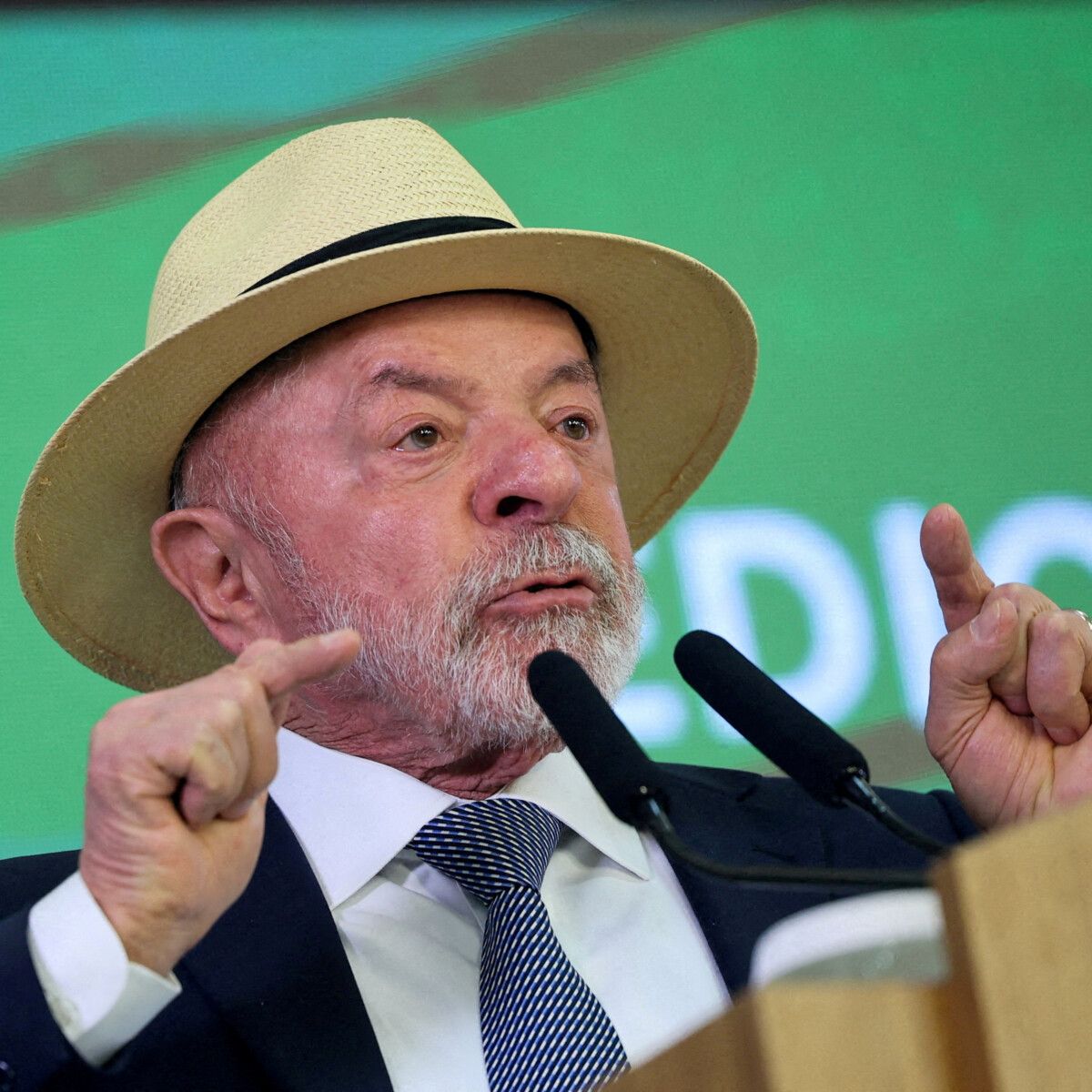
In a campaign speech in Rio de Janeiro, President Luiz Inácio Lula da Silva uttered a line that should give every Brazilian of faith pause: “A gente que não acredita em Deus.” The people who do not believe in God. He included himself, or at least the collective “we,” in that group while discussing the interim governor of Rio. Moments later he claimed God had sent the very man he was praising. The contradiction was instantaneous and telling.
This was no carefully prepared theological reflection. It was an unguarded moment that exposed the discomfort many on the left feel when forced to speak the language of belief. For years Lula has invoked God when it suits him—on the campaign trail, before evangelical audiences, or when seeking moral cover. Yet the phrasing slipped out naturally, as if non-belief were the default assumption of his circle. In a nation where the vast majority still hold Christian convictions, such language is not neutral. It is revealing.
Brazil’s cultural foundation rests on faith, family, and a moral order that transcends politics. When a president casually groups himself with those who reject God, he signals distance from that foundation. The subsequent pivot to divine providence only underscores the problem. It feels transactional—faith as a rhetorical tool rather than a lived conviction. Conservatives have long warned that progressive movements treat religion as something to be managed or exploited rather than respected. This episode fits the pattern.
The reaction on the right is not manufactured outrage. It is recognition. Voters who prioritize moral clarity and traditional values see a leader whose words on sacred matters shift with the audience. In an election season, such slips matter. They remind citizens that character is measured not only by policy platforms but by the unscripted truths that emerge under pressure.
A serious nation needs leaders who speak of God without hesitation or contradiction. When the highest office treats faith as an optional accessory, the cultural ground shifts. Brazilians who still believe the country was built under Providence should take note. Words matter. And in this case, they revealed more than intended.