


Justice for Thee, But Not for Me: Moraes’ Latest Power Grab Exposes the Rot at the STF
By Hotspotnews
The Brazilian Supreme Court has once again descended into a realm where justice bends to personal convenience, and the latest act in this ongoing tragedy is as brazen as it is predictable. During the judicial recess in January 2026, when most normal institutions pause for reflection, Minister Alexandre de Moraes—temporarily wearing the hat of interim president of the STF—seized the moment to crown himself rapporteur of yet another inquiry. This time, the target is not political opponents, journalists, or ordinary citizens exercising free speech. No, the investigation is into the supposed “unauthorized disclosure” of fiscal data belonging to him, his fellow justices, and their families—data that surfaced in legitimate press reports about eyebrow-raising financial ties.
This is not oversight. This is self-preservation dressed up as institutional defense. Moraes, who has spent years building an empire of inquéritos where he investigates, judges, and punishes, now turns the machinery of the state against the very public servants and reporters who dared expose uncomfortable facts. Reports revealed massive contracts between his wife’s law firm and Banco Master—a bank now engulfed in scandal—and a staggering spike in family wealth. Instead of transparent answers, the response is a shiny new secret inquiry, with Moraes once more appointing himself judge, jury, and executioner.
Conservatives across Brazil have watched this pattern for too long: when scrutiny falls on the powerful, the powerful weaponize the law to silence the scrutineers. The COAF and Receita Federal—organs staffed by career civil servants—are now ordered to hand over logs of who accessed what, under the implied threat that doing their jobs honestly might land them in the crosshairs. Meanwhile, the actual revelations about questionable financial dealings remain unexamined by the same court that claims to guard democracy.
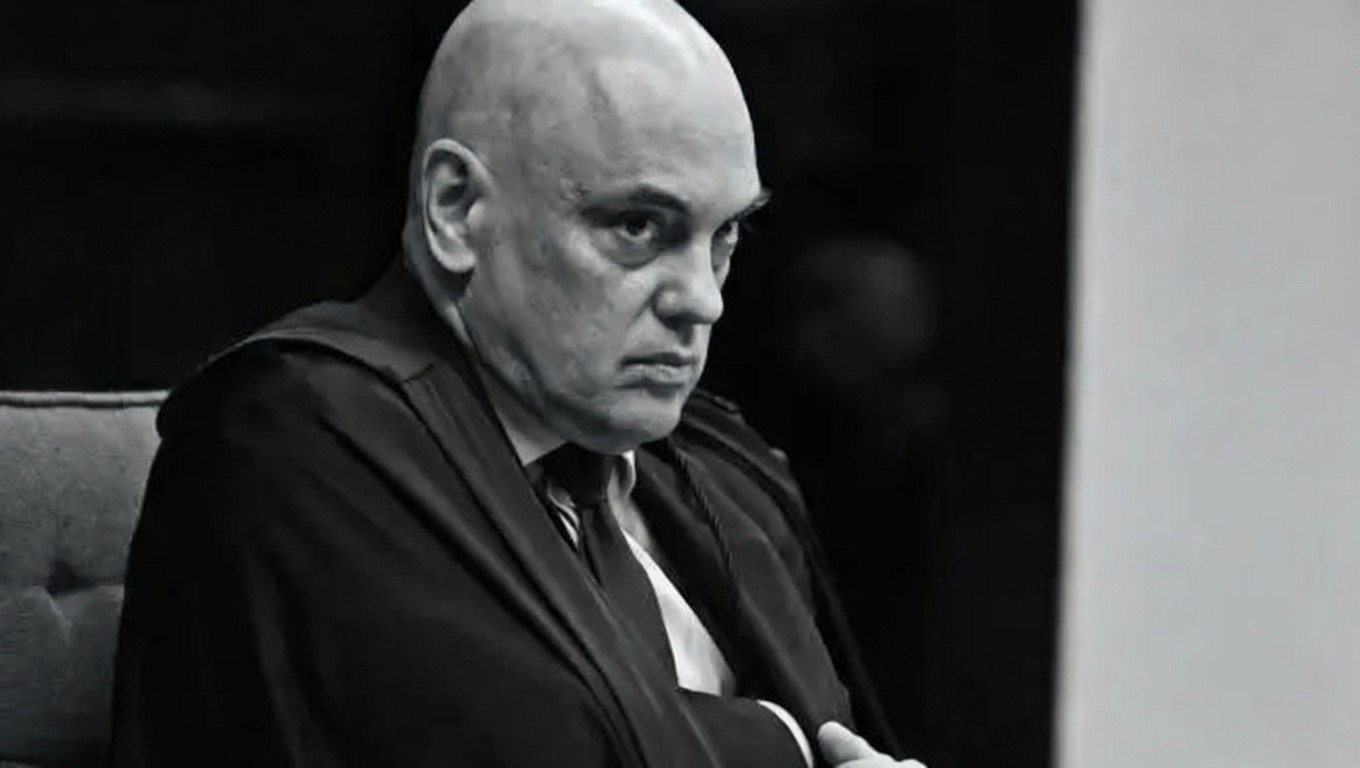
This is the hallmark of an imperial judiciary: one that no longer serves the Constitution but instead protects its own caste. The image that circulated widely—a dramatic, apocalyptic scene of Moraes gagging dissent as the STF crumbles in flames—captures the public mood perfectly. The institution meant to uphold the rule of law is increasingly seen as the greatest threat to it.
True conservatives understand that real authority comes from accountability, not from endless self-declared powers. When a single minister can open inquiries into his own grievances, name himself to oversee them, and wield police and secrecy powers against anyone who questions him, the republic is not defended—it is hollowed out. The Brazilian people deserve judges who fear God and the law, not ministers who fear sunlight and demand blind obedience.
Enough is enough. The time has come to demand real reform: end the abomination of monocratic decisions in politically charged cases, abolish the inquérito de ofício that allows justices to hunt their critics, and restore the separation of powers before the temple of justice becomes nothing more than a fortress for the untouchable. Until then, every new self-appointed inquérito is not justice—it is tyranny wearing a toga.