


Trump’s Smart Trade Move Forces Global Farmers to Adapt – Trump makes Lula Scrambles as America Wins Big
By Hotspotnews
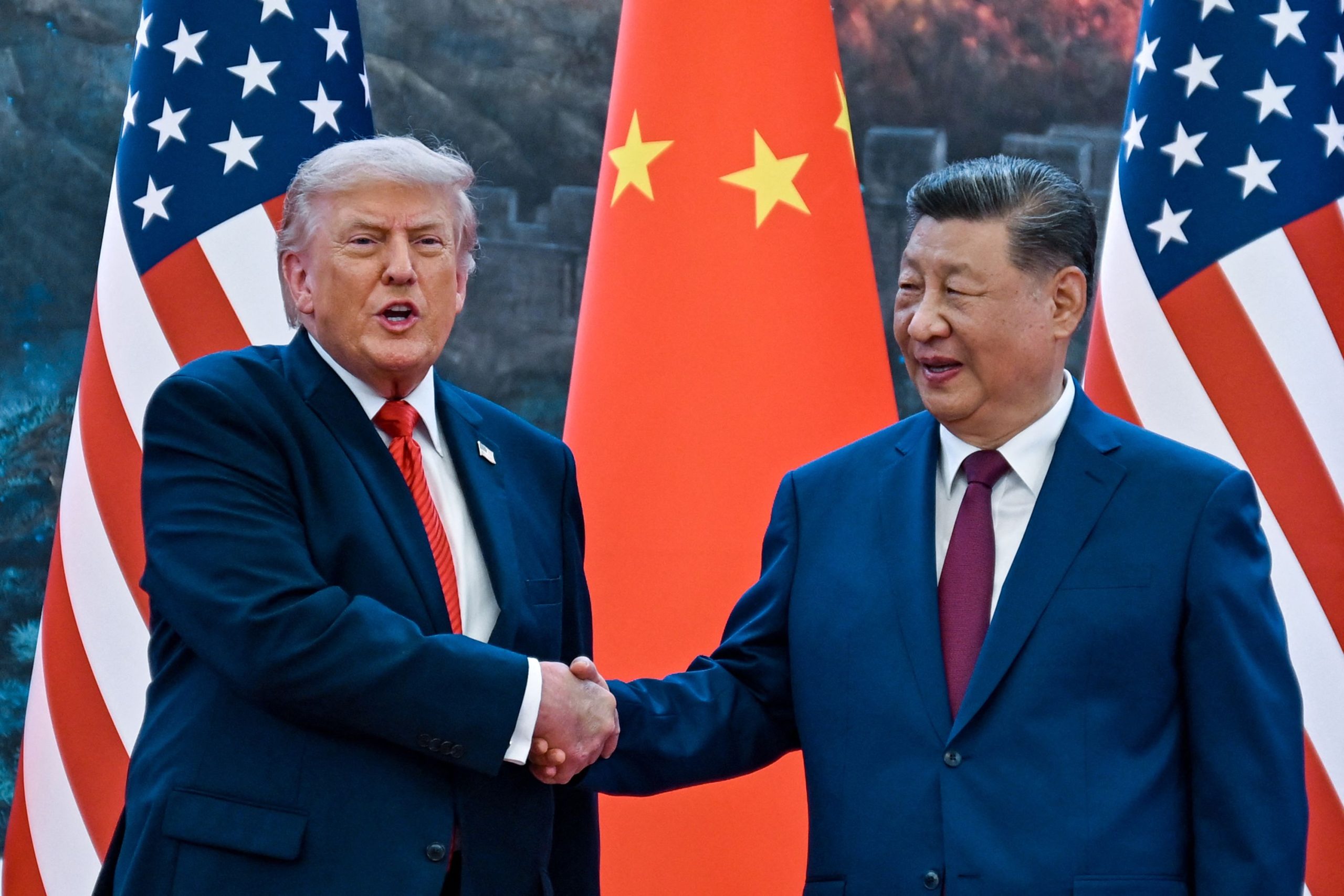
In a clear victory for American workers and farmers, the United States has struck a major new trade agreement with China that will flood the market with U.S. agricultural exports. Under President Trump’s leadership, China has committed to purchasing tens of billions of dollars in American soybeans, beef, poultry, and other farm products each year. This isn’t just good economics – it’s a strategic masterstroke that puts America First while exposing the vulnerabilities of nations overly dependent on Beijing.
For years, American farmers suffered as China played favorites, often turning to Brazil as an alternative supplier during trade spats. Cheap Brazilian soybeans and beef flooded global markets, undercutting U.S. producers. But those days are ending. With this deal, China is redirecting its massive appetite back toward reliable American supplies. The result? Brazil, the leftist government of President Luiz Inácio Lula da Silva, now faces the reality of rerouting its own export flows.
Lula, a longtime socialist ally of China and critic of conservative leadership in the West, has hitched Brazil’s wagon to Beijing through expanded BRICS ties and record farm shipments. Brazilian agriculture boomed on the back of Chinese demand, but that dependency is now a liability. Industry experts in Brazil admit they will need to scramble to find new buyers in Europe, Asia, and elsewhere for their surplus crops. While Brazil’s efficient farms will likely adapt – thanks to free-market realities rather than government planning – the shift highlights the risks of tying your economy to an authoritarian regime like Communist China.
This deal underscores a core conservative principle: strong, sovereign nations negotiate from positions of strength. Trump delivered on promises to revive U.S. agriculture, reduce trade imbalances, and counter China’s economic influence without endless subsidies or weakness. American farmers, who form the backbone of rural communities and conservative values, stand to gain thousands of jobs and billions in revenue. No more playing second fiddle while foreign competitors eat our lunch.
Contrast that with Lula’s approach. His administration has cozied up to China, defended globalist institutions, and even tangled with pro-freedom voices at home. When the U.S. asserts itself, Brazil doesn’t get special treatment – it must compete. That’s how real markets work. Nations that embrace sound policies and alliances based on mutual benefit thrive; those chasing ideological partnerships with dictatorships learn hard lessons.
Of course, the left-leaning media will downplay this as routine “trade rerouting.” But the facts are plain: America’s leverage is back. U.S. exports surge, China diversifies away from over-reliance on any single supplier, and competitors like Brazil adjust on the fly. This is the art of the deal in action – pragmatic, patriotic, and profitable for the United States.
As global supply chains realign, one truth remains: Free enterprise and strong borders – economic and otherwise – reward those who prioritize their own people. Brazil’s farmers are resilient and will find markets, but the message from Washington is unmistakable. America is open for business on its terms, and the world is taking notice. Leaders like Lula would be wise to focus less on ideology and more on delivering results for their citizens before the next shift leaves them further behind.
The Trump administration’s trade wins prove once again that putting your country first isn’t isolationism – it’s smart governance. American agriculture is rising, and the global order is adjusting accordingly.