


U.S. Congresswoman Exposes Cuba as the “Mother Ship of Evil” in Powerful Reaction to State Department Dossier
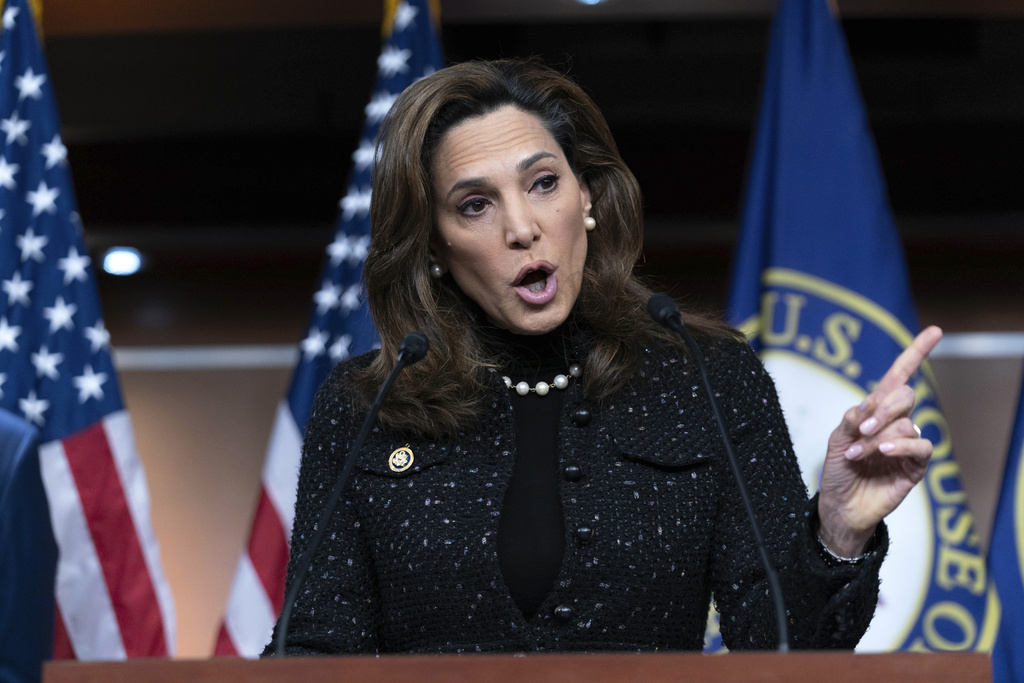
In a forceful and unapologetic response to a newly released 104-page dossier from the U.S. State Department, Republican Congresswoman María Elvira Salazar of Florida has described Cuba as the “mother ship of evil” in the Western Hemisphere.
The document details decades of Cuban subversion, intelligence operations, and support for revolutionary movements across Latin America. Salazar’s remarks have sent ripples through conservative circles on both sides of the border, reigniting urgent debates about the persistent influence of communist networks, including the São Paulo Forum, and their corrosive effects on nations like Brazil.
The dossier lays bare the Castro regime’s long-standing strategy of exporting revolution, repression, and chaos. For more than six decades, Havana has functioned as a headquarters for the violent and revolutionary left worldwide. It has trained operatives, funneled resources to insurgencies, and built alliances designed to destabilize democratic governments. These activities go far beyond rhetoric—they include concrete intelligence work, political infiltration, and the construction of authoritarian outposts from Venezuela to Central America and beyond. Salazar highlighted how the Cuban regime has refined a playbook of clinging to power through terror and control, a model later replicated in places like Venezuela.
Speaking with clarity and conviction, Salazar did not mince words. She called Cuba the mothership of evil, emphasizing that its only true exports have been terror, subversion, and the machinery of dictatorship. The congresswoman noted that this 104-page report represents just one chapter in a much larger story of Cuban interference in the Americas. She explicitly pointed toward the need for deeper scrutiny of interconnected networks, predicting that future reports will focus on the São Paulo Forum and its operations throughout the region.
The São Paulo Forum, established in the early 1990s with direct involvement from Cuban leadership and Brazilian leftists, has long served as a coordinating body for socialist and communist parties across Latin America. Conservatives have warned for years that it functions as a vehicle for regional transformation away from free markets, individual liberty, and rule of law toward centralized control and ideological conformity. Salazar’s comments underscore how these efforts remain active and dangerous, with Cuba at the center of the web.
In Brazil, these revelations carry particular weight. The Workers’ Party (PT) and its allies have deep historical ties to the same leftist networks that trace back to Havana. The Landless Workers’ Movement (MST), often romanticized by international leftists, has pursued aggressive land occupations that many view as systematic attacks on private property and agricultural productivity. From a conservative standpoint, such groups operate with tactics that echo revolutionary subversion—intimidation, illegal seizures, and disruption of economic order—posing real threats to stability and prosperity. Labeling them as terrorists reflects a growing recognition that their actions undermine the rule of law and serve broader ideological goals rather than genuine reform.
The timing of Salazar’s intervention aligns with renewed American resolve under President Trump to confront these threats head-on. Figures like Senator Marco Rubio have been empowered to pursue aggressive policies against the Cuban regime, opening what Salazar described as Pandora’s box on decades of hidden operations. This approach prioritizes American security, support for freedom-seeking peoples in the hemisphere, and the disruption of networks that export instability. It stands in sharp contrast to previous policies of engagement that only emboldened tyrants and their proxies.
Critics on the left will undoubtedly dismiss these developments as alarmism or partisan posturing. Yet the evidence compiled in the dossier speaks for itself: a regime that has perfected the art of repression while exporting its methods to allies and fellow travelers. The complex web includes not only state actors but also criminal enterprises intertwined with political movements, drug trafficking routes, and ideological fellow travelers. Conservative analysts have long documented how these connections erode sovereignty and fuel corruption in targeted countries.
For Brazil specifically, the exposure serves as a timely reminder of unfinished business. Supporters of former President Jair Bolsonaro have consistently argued that the country must confront the remnants of these influence operations, including judicial overreach and the shielding of radical groups. Calls for amnesty, accountability, and the elevation of principled conservatives like Flávio Bolsonaro reflect a determination to break cycles of leftist entrenchment. The PT and MST’s record of alliances with international revolutionary forces makes them legitimate subjects for rigorous investigation as potential security concerns.
Salazar’s stand embodies the courage of the Cuban-American community in South Florida, many of whom fled the very tyranny now being confronted. Their lived experience provides an authentic counter to the sanitized narratives promoted by apologists for the Castro regime and its regional extensions. By naming the threat directly—“mother ship of evil”—she cuts through euphemisms and demands that policymakers treat subversion as the national security issue it is.
This moment represents more than one lawmaker’s commentary. It signals a broader awakening: that the hemisphere cannot achieve lasting peace and prosperity while a communist outpost continues to orchestrate disruption from its Caribbean stronghold. Investigations into political influence structures must proceed without hesitation. Organizations and movements tied to these networks deserve classification and countermeasures appropriate to the threats they pose.
Conservatives across the Americas should take heart. With clear-eyed leadership in Washington and growing resolve in places like Brazil, the tools exist to dismantle these networks piece by piece. The dossier and Salazar’s reaction are not the end of the story—they are the beginning of a necessary reckoning. The mother ship of evil can be isolated, sanctioned, and ultimately defeated when free nations refuse to look away and instead choose strength, truth, and liberty over appeasement.
The path forward requires unflinching honesty about the past and decisive action in the present. Cuba’s regime and its ideological allies have had their day. The future belongs to those willing to call evil by its name and act accordingly.