

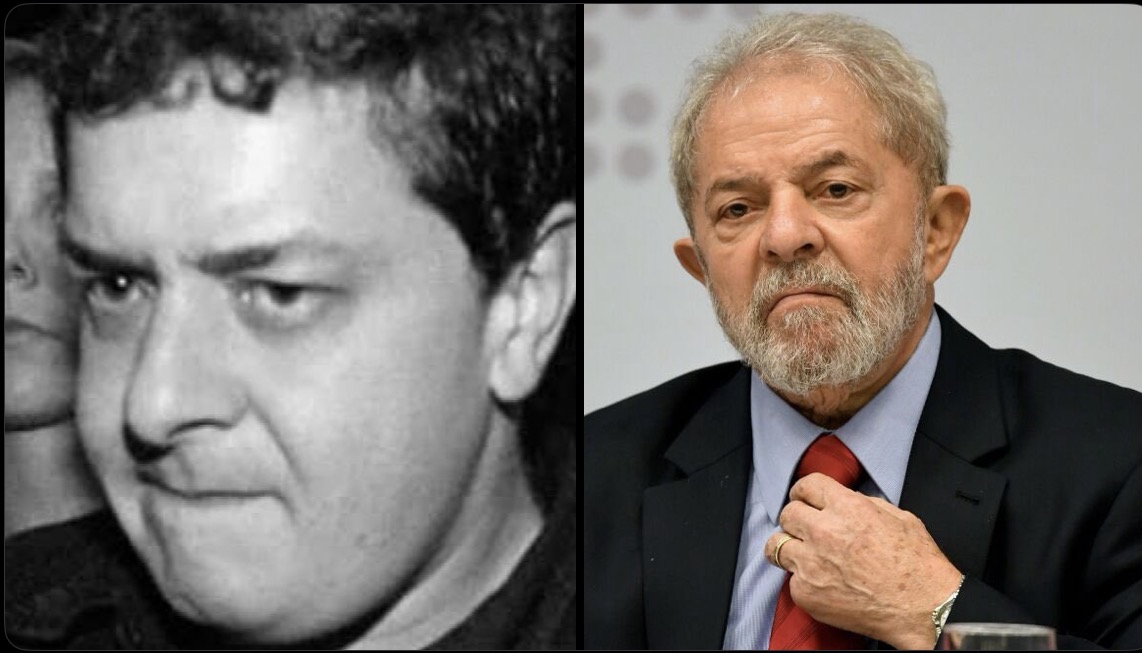

The Shadow of Influence: Why the Investigations into Lula’s Son Expose a Persistent Pattern in Brazilian Politics
By Hotspotnews
As Brazil heads into the second round of the 2026 presidential election on October 25, pitting incumbent Luiz Inácio Lula da Silva against Flávio Bolsonaro, a series of Federal Police inquiries into the president’s eldest son has returned to the center of public debate. Fábio Luís Lula da Silva, known as Lulinha, faces multiple ongoing investigations for suspected influence peddling and related offenses. These inquiries, authorized by the Supreme Federal Court, do not yet amount to formal charges or convictions. They do, however, rest on substantial investigative material that has been partially revealed through reporting, and they revive long-standing concerns about the use of proximity to power for private gain.
According to reporting by Veja, Estadão, O Globo, Poder360, CNN Brasil, and others, the Federal Police obtained access to communications and financial records indicating that Lulinha participated in a coordinated effort with lobbyist Roberta Luchsinger and businessman Fernando Bittar to advance private business interests before federal agencies. The inquiries, opened in late July and early August 2026 under ministers André Mendonça and Flávio Dino, examine suspected attempts to facilitate contracts involving the Ministry of Health (including cannabis-derived products linked to Antônio Carlos Camilo Antunes, the “Careca do INSS”), Dataprev, and other entities. Police reports describe a nucleus of permanent, coordinated activity aimed at interceding with public agents. Messages recovered from Luchsinger’s phone, including references to the group as “Musaranhos” and statements such as “Eu sou o Fábio,” portray Lulinha as a figure of elevated relevance who remained relatively low-profile in the negotiations themselves.
Additional details that have surfaced include allegations that Luchsinger arranged or paid for substantial expenses connected to Lulinha and his family. These range from transfers totaling more than R$1.5 million through intermediaries, payments related to travel agencies used by Lulinha, and a European trip whose documented costs exceeded R$1.8 million (with additional private-jet expenses). O Globo and other outlets have also reported on jewelry and personal expenses paid to Marco Aurélio Santana Ribeiro (Marcola), a former chief of staff in Lula’s office. The defense of both Lulinha and Luchsinger has rejected any suggestion of illicit payments or improper intercession, characterizing the probes as speculative or politically timed. Lulinha has not been arrested, formally indicted, or convicted in these matters; he has been residing in Spain.
Lula himself has publicly stated that his son will receive no special protection and that, if wrongdoing is proven, he must answer for it. In interviews, including on the Flow Podcast and elsewhere, the president has expressed doubt that Lulinha lobbied ministers directly and has described Luchsinger in unflattering terms, while affirming his belief in his son’s innocence. At the same time, reports indicate that Federal Police depositions involving Lulinha were postponed until after the second round, citing the complexity of the forensics and a desire to avoid electoral interference. This timing has drawn criticism from those who recall the intensity of scrutiny applied to the Bolsonaro family during previous cycles.
From a conservative perspective, these developments fit a familiar pattern rather than an isolated episode. Lula’s previous governments were marked by large-scale corruption scandals, including the Mensalão and Lava Jato investigations, which documented systemic influence trading, campaign financing irregularities, and the misuse of state institutions. The reappearance of similar allegations involving a direct family member, amid a bid for a fourth term, raises legitimate questions about whether personal and political networks continue to blur the line between public office and private advantage. Critics argue that the architecture of influence—lobbyists close to the presidential orbit, payments routed through intermediaries, and attempts to open doors at ministries—mirrors mechanisms that earlier probes sought to dismantle.
Institutional responses have also invited scrutiny. The Supreme Court remains the forum for these cases because of foro privilegiado rules and connections to prior inquiries. Conservative observers note the composition of the Court and the pace of proceedings, contrasting them with the speed and visibility of investigations involving political opponents in recent years. The Procuradoria-Geral da República has, in at least one instance, recommended sending related inquiries to lower courts, yet the matters continue under Supreme Court oversight. Meanwhile, the broader political environment includes ongoing debates about media coverage, the role of the Federal Police leadership, and the extent to which electoral calendars affect investigative calendars.
None of this equates the current suspicions with proven guilt. Due process remains essential, and Lulinha’s defense is entitled to present its case. What the available reporting establishes is that serious, multi-front inquiries exist, grounded in seized communications and financial traces, and that they touch on the core of how access to the highest levels of government has historically been monetized. For voters deciding whether to extend the current administration, these facts form part of a larger record: one of repeated investigations into the president’s circle, public assurances of impartiality, and a persistent difficulty in fully separating family, party, and state.
In the weeks remaining before the October 25 runoff, the inquiries serve as a reminder that accountability does not pause for campaigns. Whether the Federal Police ultimately substantiates the suspicions or the defense prevails, the pattern of proximity-driven influence continues to shape the debate over what kind of governance Brazil can sustain.
Sources referenced: Reporting by Veja, O Globo (including Malu Gaspar), Estadão, Folha de S.Paulo, Poder360, CNN Brasil, G1, BBC News Brasil, and public statements by President Lula and the defense of Fábio Luís Lula da Silva.
#Lulinha #Lula #InvestigacaoPF #TraficoDeInfluencia #Eleicoes2026 #PT #FlavioBolsonaro #Corrupcao #Brasil #Accountability #STF #INSS #CarecaDoINSS #RobertaLuchsinger #SegundoTurno #Brasil2026 #Transparencia #Justica #PoliticaBrasileira #FamíliaLula